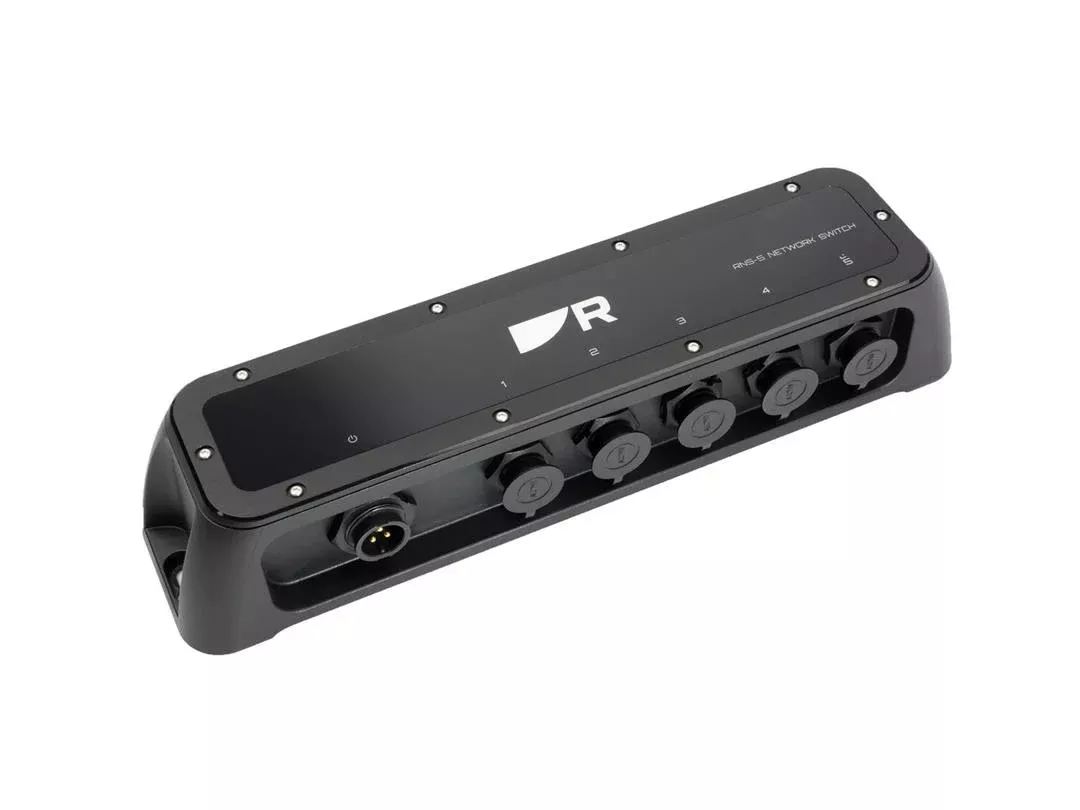
The Raymarine RNS-5 is the 5-port RayNet gigabit Ethernet switch for expanding Raymarine marine network installations beyond what a single multifunction display can handle directly. Connect multiple Axiom displays, radars, sonar modules, IP cameras, thermal cameras, YachtSense digital control systems, and the YachtSense Link mobile router into one networked system. Five gigabit RayNet ports (the marine-grade waterproof Ethernet connector standard that Raymarine uses across their networked products), IPX6 and IPX7 dual waterproof rating, 9-32V DC input (works on 12V or 24V boat systems), 600 mA current draw, simple bulkhead mounting, LED power and per-port status indicators, fully unmanaged plug-and-play operation (no IP configuration, no managed-switch complexity). Two RNS-5 switches can be daisy-chained for larger network installations.
The Raymarine RNS-5 is the 5-port RayNet gigabit Ethernet switch – the network expansion hub for Raymarine marine network installations that have outgrown what a single multifunction display’s onboard ports can handle. The typical use case: a boat with multiple Axiom displays, plus a radar dome, plus a sonar module, plus a marine camera, plus a YachtSense digital switching system. Each component needs its own RayNet network connection, and the typical Axiom display only has 1-2 RayNet ports built in. The RNS-5 is the multi-port hub that lets all these components share the network.
What RayNet is. RayNet is the Raymarine-specific marine-grade Ethernet connector standard. Electrically, RayNet is standard Ethernet (the same physical-layer signaling as the Ethernet ports in a typical office or home network). Physically, the connector is a circular waterproof connector with locking threads – meaningfully better than the typical RJ-45 plastic-clip Ethernet connector for the marine environment. RJ-45 connectors are designed for indoor office use and don’t handle marine vibration, salt-air corrosion, or wave-splash exposure. RayNet handles all three. The cable itself is standard Ethernet cable internally with RayNet connectors at each end, so the network performance is identical to standard Ethernet.
Five RayNet gigabit ports. Each port operates at gigabit Ethernet speeds (1 Gbps), which is the modern Raymarine network standard. The gigabit speed is meaningful for high-bandwidth components: radar (especially modern Doppler radars that produce significant data streams), sonar modules (especially RealVision 3D sonar and similar high-resolution forward-looking sonars), IP cameras (HD video streaming), and thermal cameras (compressed thermal video). At gigabit speeds, all these components can stream simultaneously to multiple displays without network congestion.
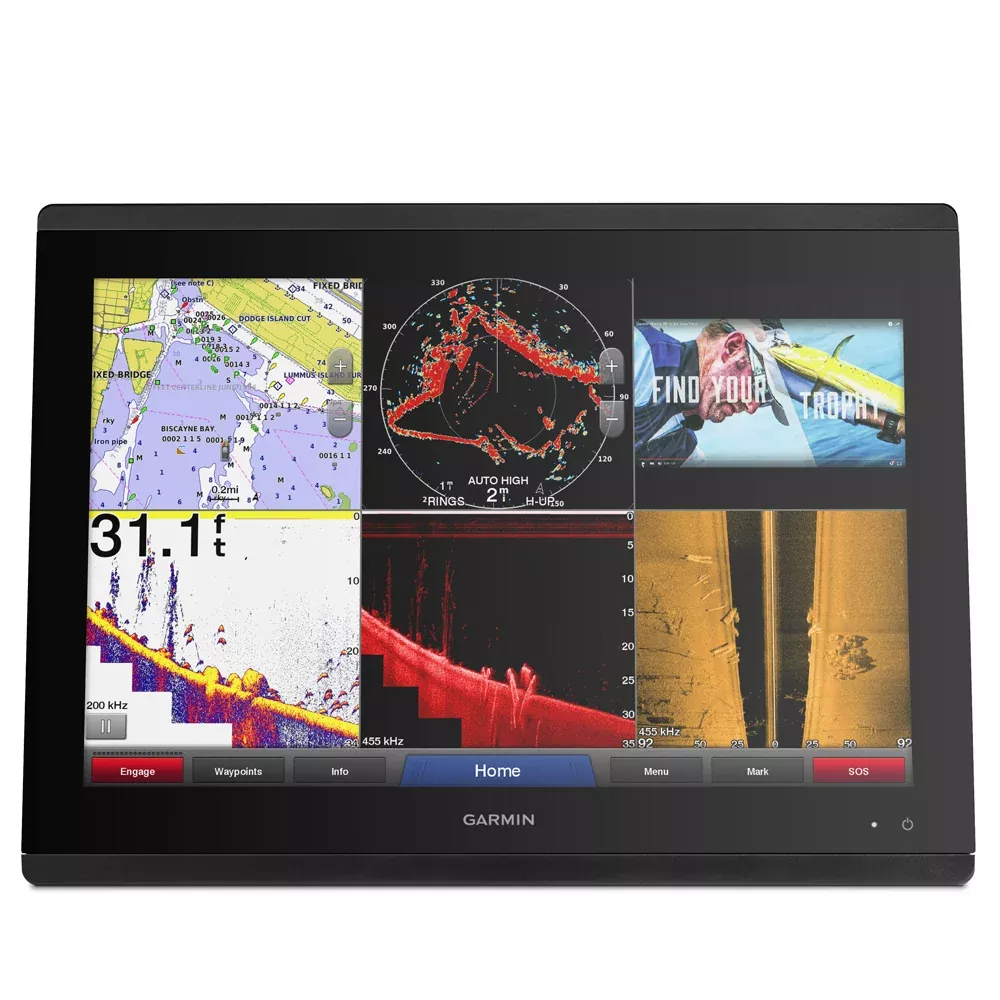
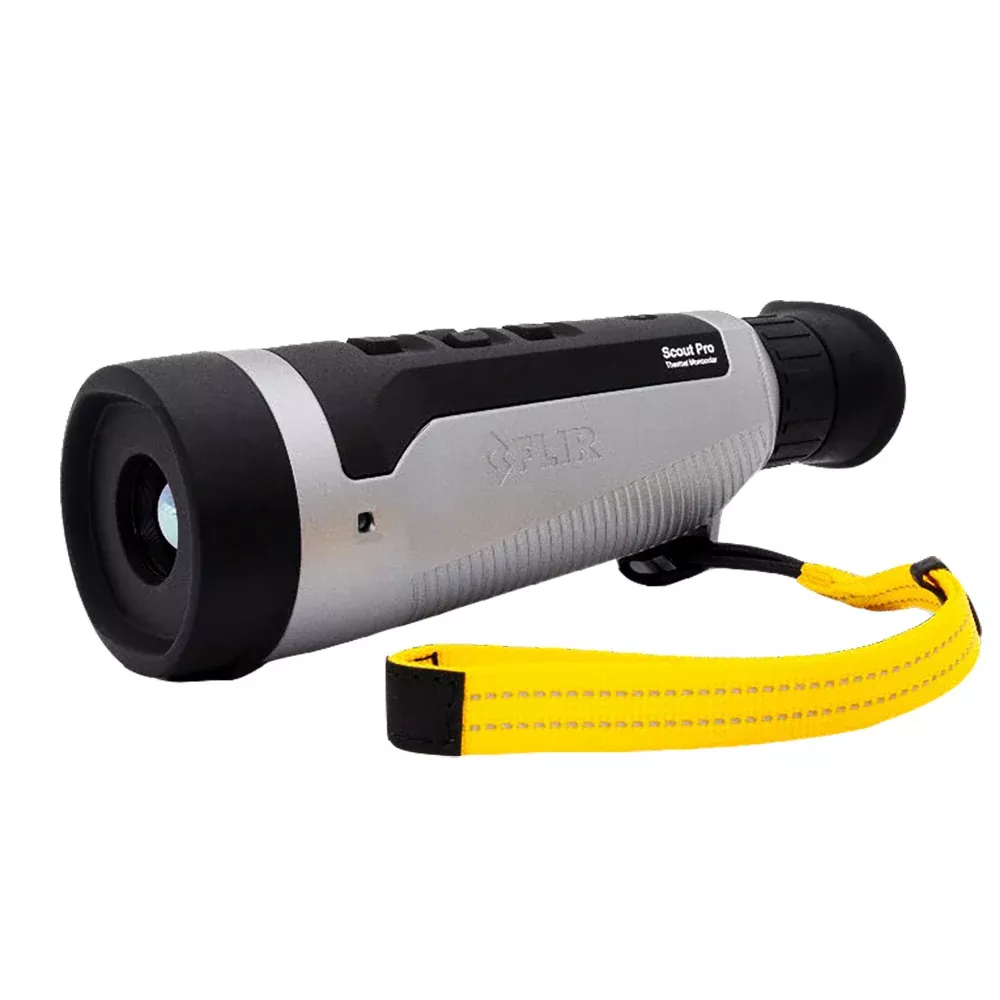
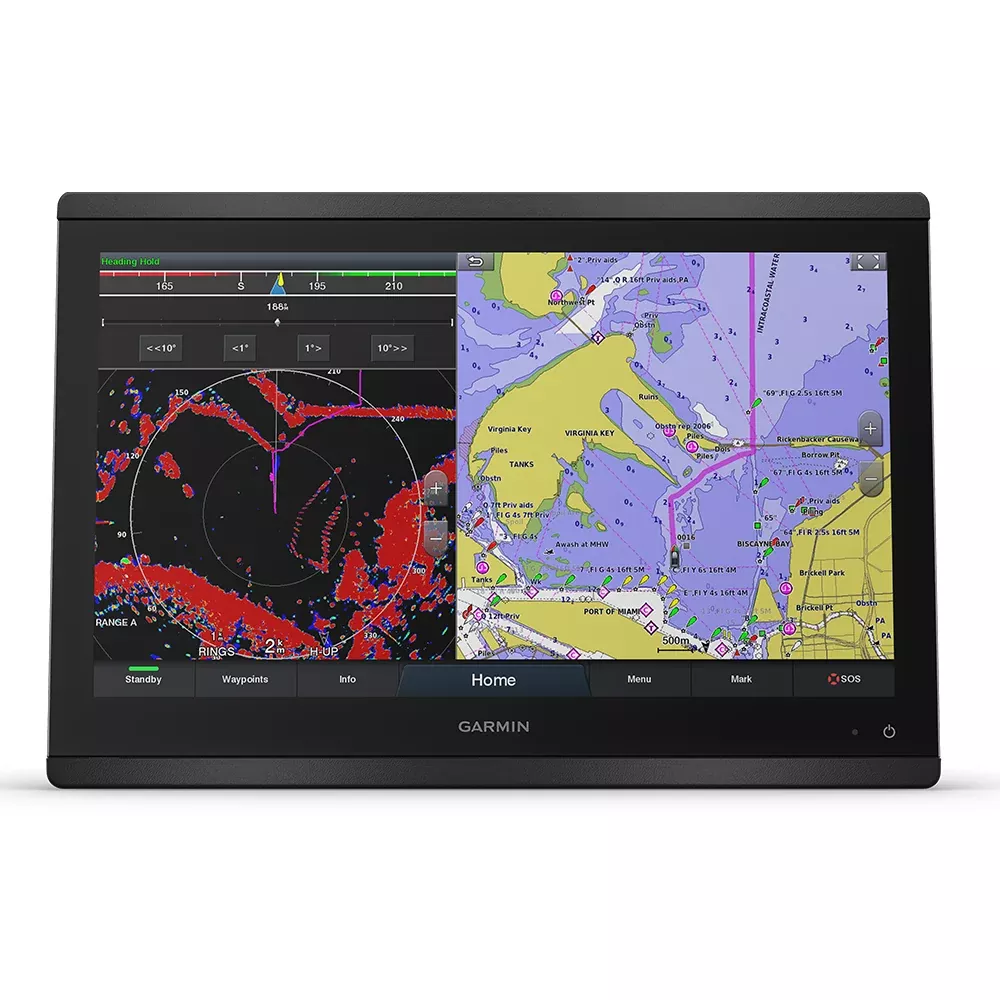
Compatible Raymarine network components. The RNS-5 networks any RayNet-equipped Raymarine product. The compatibility list includes: Axiom multifunction displays (all current Axiom variants), Quantum and Magnum radar domes, RealVision 3D and CHIRP sonar modules, ClearCruise IP cameras, marine thermal cameras (the Raymarine and partner-brand thermal cameras that connect via RayNet), YachtSense digital control system modules, YachtSense Link marine mobile router (for cellular connectivity to the boat network), and additional RayNet-equipped Raymarine instruments. Non-RayNet network components (older SeaTalk-only or NMEA 2000-only devices) connect via separate adapters and don’t go through the RNS-5.
Plug-and-play unmanaged switch. The RNS-5 is a simple unmanaged switch – it doesn’t have IP configuration, doesn’t require setup, doesn’t have firmware to update or VLANs to configure. Plug components into the ports, power up the switch, and the components automatically discover each other on the network. For boat owners who don’t want to deal with IT-class network configuration, the unmanaged design is meaningfully simpler than a managed switch with all its configuration complexity. The trade-off: no network monitoring, no traffic prioritization, no managed-network features. For typical recreational marine networks, none of those features are needed.
IPX6 and IPX7 dual waterproof rating. The RNS-5 chassis carries dual IPX ratings: IPX6 (protected against powerful water jets from any direction) and IPX7 (protected against temporary immersion in water up to 1 meter depth for 30 minutes). The dual rating is the appropriate spec for marine network equipment that may be installed in equipment compartments where occasional water exposure is expected (engine room with open hatch in heavy weather, helm console with potential leak paths, electrical lockers in older boats with imperfect sealing). The waterproof construction handles long-term marine service without internal corrosion or component failure.
9-32V DC input. The wide voltage input range covers both 12V and 24V boat electrical systems – the RNS-5 doesn’t need a specific voltage variant, the same part works on either system. The 600 mA input current draw is minimal (under 8 watts at 12V), so wiring requirements are trivial: any small-gauge wire (16 AWG or larger) handles the load. Wire to the boat’s accessory bus through a small inline fuse (typically 3A is sufficient).
LED power and port status indicators. Front-panel LEDs show power state (the switch is powered up) and per-port link status (which ports have devices connected and active). For troubleshooting network issues, the LED indicators tell you immediately whether the switch is alive and whether each component is communicating – the typical first diagnostic step on a networked component issue is checking these LEDs.
Bulkhead mounting. The chassis is engineered for simple bulkhead mounting using stainless steel hardware. The mounting is straightforward – drill the appropriate mounting holes per the included template, bolt the chassis to the bulkhead. The RNS-5’s compact form factor (it’s a small black box, smaller than a typical chartplotter) fits in tight equipment compartment spaces.
Two switches can be daisy-chained. For boats with very large network installations (more than 5 components needing RayNet ports), two RNS-5 switches can be connected in series via a single RayNet cable between them. The total addressable port count then becomes 8 (5 + 5 minus the 2 ports used for the inter-switch connection). For even larger installations, additional switches can be chained or run in parallel – the network protocol handles arbitrary switch topologies without configuration complexity.
Install. Mount the RNS-5 chassis to a bulkhead in a protected location near the network components. The typical install location is the equipment compartment where the boat’s chartplotter wiring terminates, or near the helm where the multiple displays and components feed in. Run the RayNet cables from each component to the RNS-5’s available ports – any port works for any component (the unmanaged switch doesn’t care about port assignments). Wire the 9-32V DC power input through a small inline fuse to the boat’s accessory bus. The switch powers up immediately when 12V or 24V is applied and the network is operational. No configuration steps required. Total install time is typically 1-2 hours for a competent boat owner with the network cabling already routed.
Standard Raymarine warranty applies (the legacy description shows ‘no supplier warranty’ but the actual Raymarine warranty document covers the RNS-5 – the legacy description appears to be a data anomaly).