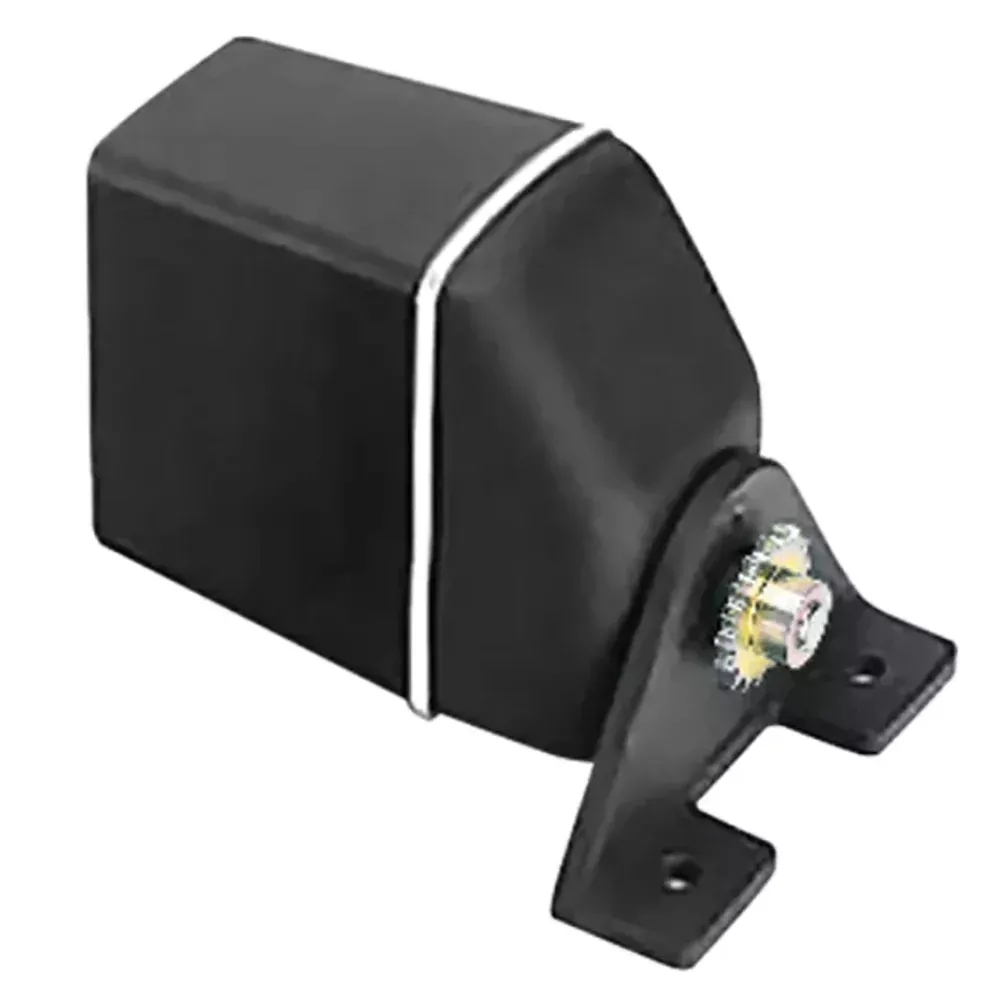
The Raymarine Rotary Drive Type 2 – 12V (MPN M81136) is the heavy-duty autopilot drive unit for power and sailboats with cable or rod steering systems that can be driven from the helm position through a chain and sprocket. Type 2 is the larger of Raymarine’s two rotary drive variants – rated for vessels up to 44,000 lbs (20,000 kg) maximum displacement. Smooth, powerful, quiet autopilot-controlled steering through the boat’s existing chain-and-sprocket steering linkage. 34 Newton-meter peak output torque. 33 RPM maximum shaft speed. 10-second hard-over time (no load) – fast enough for responsive autopilot operation, slow enough that the drive doesn’t overrun the steering system. 60-84 watt power consumption (5-7 amps at 12V). Works with the Raymarine ACU-400 Autopilot Control Unit (corepack sold separately) to form a complete autopilot system. Optional drive sprockets and modifications to the steering chain system may be required for some boats. 2-year limited warranty.
The Raymarine Rotary Drive Type 2 – 12V is the heavy-duty autopilot drive unit in Raymarine’s rotary drive product line – designed specifically for power and sailboats with cable or rod steering systems that can be driven from the helm position through a chain and sprocket linkage. This is the actuator that physically turns the boat’s steering wheel under autopilot control, working through the same chain-and-sprocket system that the helmsman uses manually. For boats with the right steering configuration (chain-and-sprocket compatible), the rotary drive is meaningfully simpler and quieter than hydraulic alternatives.
Type 2 – the heavy-duty variant. Raymarine offers two rotary drive types. Type 1 is the smaller variant for lower-displacement boats. Type 2 is the heavy-duty variant rated for up to 44,000 lbs (20,000 kg) maximum vessel displacement – sized for typical mid-large sailboats (40-60 ft cruising sailboats with sufficient internal volume to reach those displacements) and substantial power vessels with chain-and-sprocket steering. The higher output torque of Type 2 vs Type 1 is what handles the larger steering loads of bigger boats. using Type 1 on a Type 2-sized boat means the drive can’t reliably steer in heavy conditions. Match drive type to vessel displacement – oversized is wasteful, undersized is dangerous.
For cable and rod steering systems. The rotary drive specifically works with cable or rod-type steering systems – the kind where the helm wheel turns a shaft that drives the steering linkage via mechanical means. For boats with hydraulic steering (most modern recreational powerboats over 25 feet), the rotary drive is NOT the right drive unit – hydraulic systems need a hydraulic pump drive (Raymarine’s SmartPump line). Verify your boat’s steering system type before ordering this drive. Cable / rod steering is most common on sailboats with chain-and-sprocket helm pedestals, classic powerboats with cable steering, and some specialty vessels.
Chain and sprocket interface. The drive mounts to the boat’s steering chain system via a sprocket on the drive output shaft – the same chain that the helm wheel drives. The autopilot’s commands to the drive get translated into chain pulls / pushes that turn the steering. The interface is mechanical and direct – no hydraulics, no separate steering actuators, just an additional drive sprocket on the existing chain. The install requires breaking into the existing chain run to add the drive sprocket and the drive unit mount, which is moderately involved but works on virtually any chain-and-sprocket steering system.
34 Newton-meter peak output torque. The drive develops 34 Nm peak torque at the output shaft – enough to handle the steering loads of 44,000-lb-displacement vessels in normal sea conditions. For reference, 34 Nm is roughly 25 ft-lbs at the output shaft – a substantial mechanical advantage when multiplied through the chain-and-sprocket ratio. The output torque rating is what determines maximum vessel displacement. bigger boats need more torque to overcome the hydrodynamic loads on the rudder.
33 RPM maximum shaft speed. The drive’s output shaft turns at up to 33 RPM at full speed. Through the chain-and-sprocket ratio (typical 2:1 to 4:1 reduction from drive to helm), this works out to 8-16 RPM at the helm wheel – fast enough for responsive autopilot operation, slow enough that the drive doesn’t overrun the steering system or create dangerous wheel speeds. The recommended hard-over time (full lock to full lock with no rudder load) is 10 seconds.
Smooth, powerful, quiet operation. The Raymarine rotary drive design provides smooth, powerful autopilot steering with notably quiet operation – meaningfully quieter than older drive units that announced their operation with audible motor whining. The quiet operation matters on sailboats especially, where the autopilot often runs for extended periods during passages and audible noise becomes annoying. For typical sailboat use (autopilot running overnight on passage), the quiet drive is the kind of detail you appreciate.
60-84 watt power consumption. At typical steering loads, the drive consumes 60-84 watts (5-7 amps at 12V). The variability covers the range from light steering loads (calm conditions, balanced sail trim) up to heavy loads (rough conditions, unbalanced trim, autopilot working hard to hold heading). Plan the power supply for 84W continuous to ensure the drive operates at full capability under all conditions – undersized power supply causes the drive to operate at reduced output, which translates to lazy autopilot response.
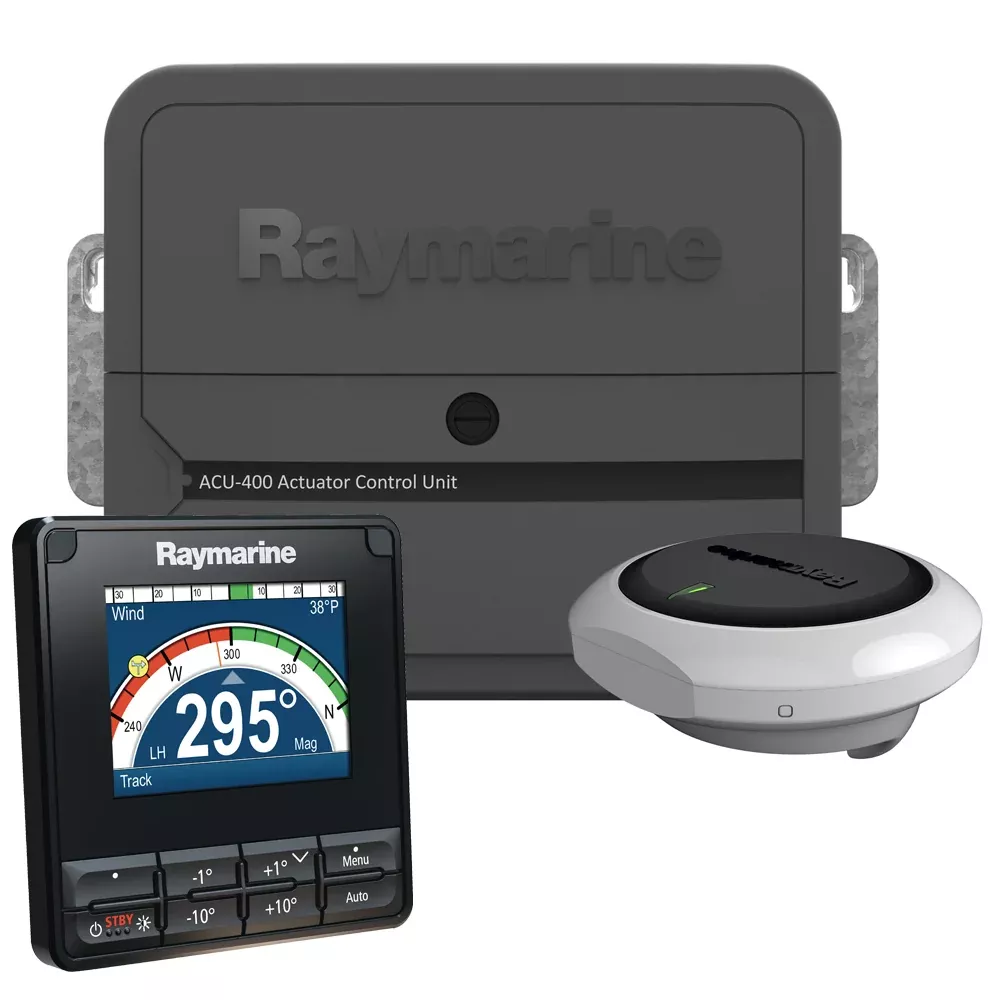
Works with ACU-400 Autopilot Control Unit. The rotary drive is one component of a complete Raymarine autopilot system – it needs the ACU-400 Autopilot Control Unit (sold separately) as the brain that commands the drive. The ACU-400 reads the boat’s heading (from the autopilot’s heading sensor / magnetic compass), computes the steering command, and sends the drive command to the rotary drive. The ACU-400 also handles operator interface integration (autopilot control head or chartplotter integration), communication with the broader Raymarine SeaTalk network, and the heading-control algorithm that determines how aggressively the drive corrects course.
What you need for a complete autopilot. For a complete working autopilot system, you need: this rotary drive (the actuator), the ACU-400 control unit (the brain – sold separately), a heading sensor (typically a magnetic compass or fluxgate sensor – some ACU-400 variants include this, some don’t), an operator interface (either a dedicated autopilot control head like the p70R, or chartplotter integration via SeaTalk network), and the appropriate cabling between all components. Plan the complete system at install time, not piece by piece.
Drive sprockets – may need separate purchase. The rotary drive includes a standard drive sprocket sized for typical Raymarine pedestal applications. For non-standard installations or specific boat configurations, optional drive sprockets may be required to match the boat’s existing chain system. Modifications to the steering chain system (adding chain length, repositioning idlers, etc) may also be needed depending on where the drive mounts relative to the existing chain run. Consult with a Raymarine authorized dealer or Raymarine product support for your specific install – the dealer / support can advise on sprocket selection and modification requirements before you commit to the install.
Power and sailboat compatibility. Despite often being thought of as a sailboat autopilot drive, the Rotary Drive Type 2 works on power vessels with chain-and-sprocket steering as well. Some classic powerboats, some specialty vessels, and some older designs use chain-and-sprocket steering rather than the now-dominant hydraulic systems. For those vessels, the rotary drive is the right autopilot drive choice – and the same Type 2 unit handles them up to the 44,000 lb displacement limit.
Install considerations. Rotary drive install is moderately involved – requires marine mechanical expertise to break into the existing chain run, add the drive sprocket, mount the drive unit in the appropriate location relative to the chain, and configure the chain tension properly. The install location needs sufficient clearance for the drive body and the mounting bracket plus access for service. For owners not experienced with marine mechanical work, professional install at a marine yard is the right call. Total install time is typically 8-16 hours of professional labor depending on boat complexity.
Limited 2-year warranty. Raymarine backs the Rotary Drive Type 2 with a 2-year limited warranty against manufacturing defects under normal recreational use. Service through the Raymarine warranty network. Save the receipt and original packaging if practical for warranty service. The rotary drive’s mechanical simplicity (vs hydraulic alternatives with their seals, fluids, and pressure failure points) means warranty issues are rare – the drive is designed to operate for many years without service issues under normal conditions.