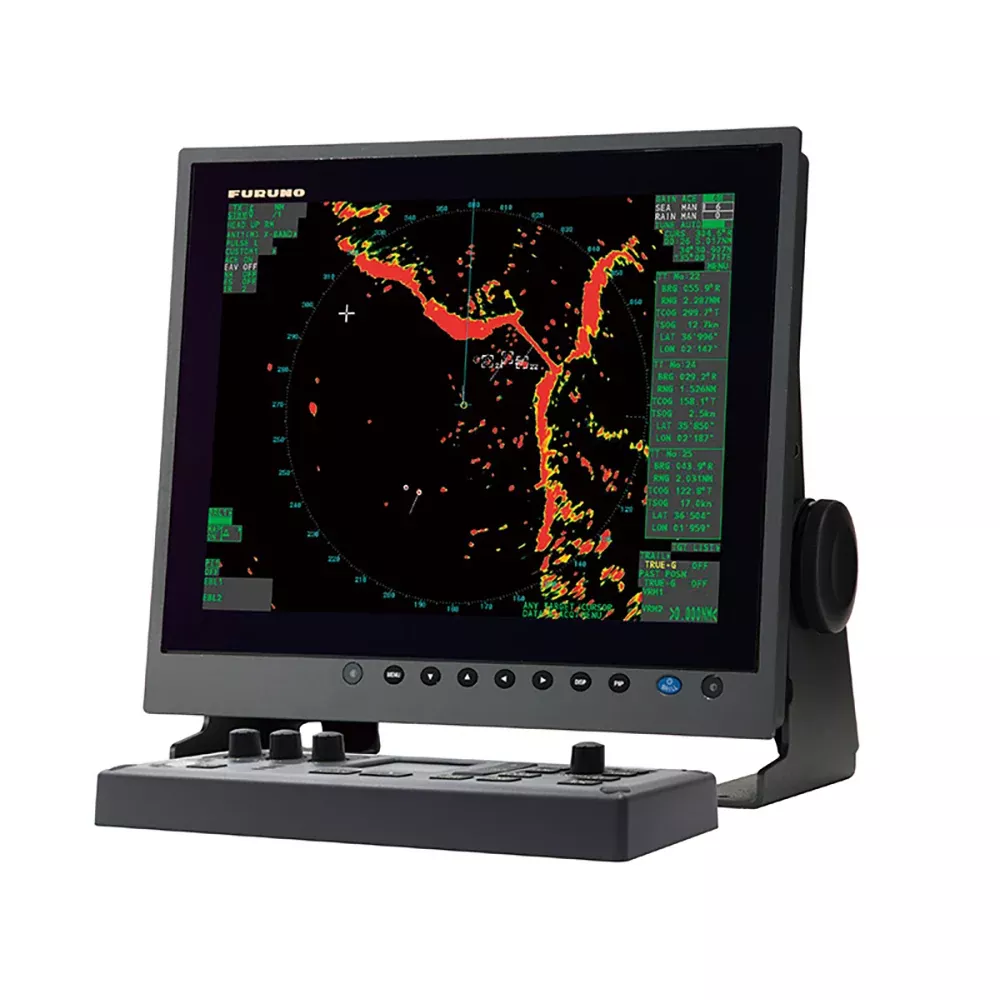
Furuno’s high-output solid-state radar. The Furuno FAR1513 puts 250 watts of 12kW magnetron radar over the boat with extended range, Doppler-based Doppler Target Analyzer target highlighting, and the integration depth that makes it the right radar for serious offshore cruising.
The Furuno FAR1513 (MPN FAR1513) is a 250-watt solid-state marine radar at the top of Furuno’s Furuno DRS line. It delivers extended-range detection (out to 96 nautical miles), Doppler-based Doppler Target Analyzer target highlighting that distinguishes moving targets from stationary clutter at a glance, and the integration depth with Furuno chartplotters that makes it the central piece of a serious offshore radar setup. The commercial-grade radar antenna finish is the standard cosmetic option for installs where the commercial-grade radar antenna is meant to blend into a dark mast or radar arch.
What Doppler Target Analyzer does. Traditional marine radar shows you returns – bright spots on the screen at the range and bearing where energy bounced back. You have to interpret what’s moving and what’s stationary by watching successive sweeps. Doppler radar like the FAR1513 directly measures whether each return is moving toward you or away, and at what speed. The FAR1513 color-codes moving targets so they jump off the screen against stationary background. For collision avoidance in busy waters, this is genuinely transformative – moving boats are immediately visible against the noise of buoys, shorelines, and reflections.
Why 250 watts. The output power determines the range at which the radar can detect smaller targets and the clarity of returns in heavy weather. The FAR1513’s 250 watts puts it at the top of the Furuno DRS recreational/cruising radar line. For boats that spend serious time offshore or transit busy commercial waters, the extra power means earlier detection of approaching vessels, better performance through rain (rain absorbs radar energy), and clearer returns on small targets like sailboats with limited radar reflector.
Compatibility. The FAR1513 connects via Furuno Marine Network to current-generation NavNet TZtouch chartplotters (8400 series, 8600 series, 9000 series, and compatible models). Integration is full – radar overlay on chart, ARPA target tracking, MARPA targets, guard zones, and standard radar controls (range, gain, sea/rain clutter, EBL/VRM) all operate through the chartplotter’s interface. For boats running a full Furuno marine electronics ecosystem, the FAR1513 is the radar that ties cleanly into the rest of the system.
Solid-state versus magnetron. Older marine radars use magnetron transmitters that require warm-up time, draw significant standby power, and have shorter service life than solid-state. The FAR1513 uses solid-state transmission with instant-on operation, low standby power, and substantially longer service life. The trade-off for solid-state is lower peak power than the largest magnetron radars (which is irrelevant for recreational and most commercial cruising use, where high-power solid-state outperforms typical 4-12kW magnetron radars). For modern marine radar installs, solid-state is the right technology.
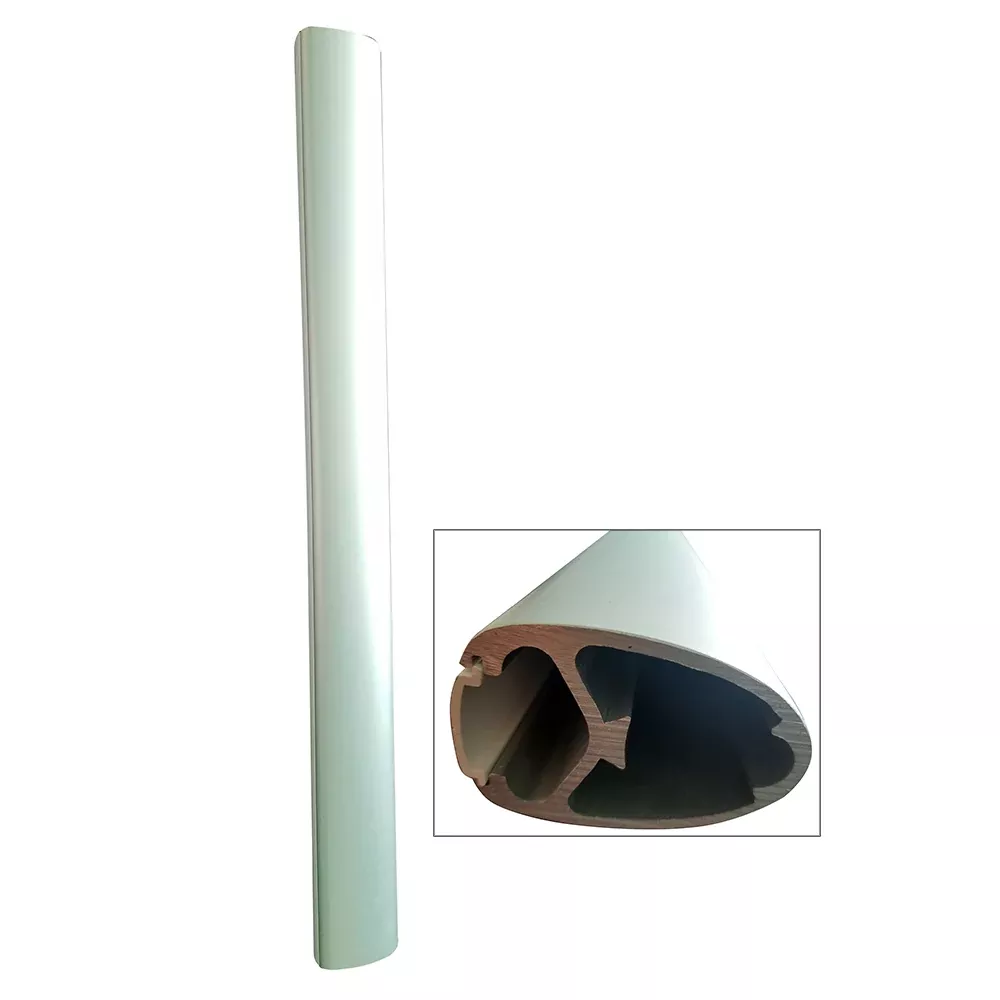
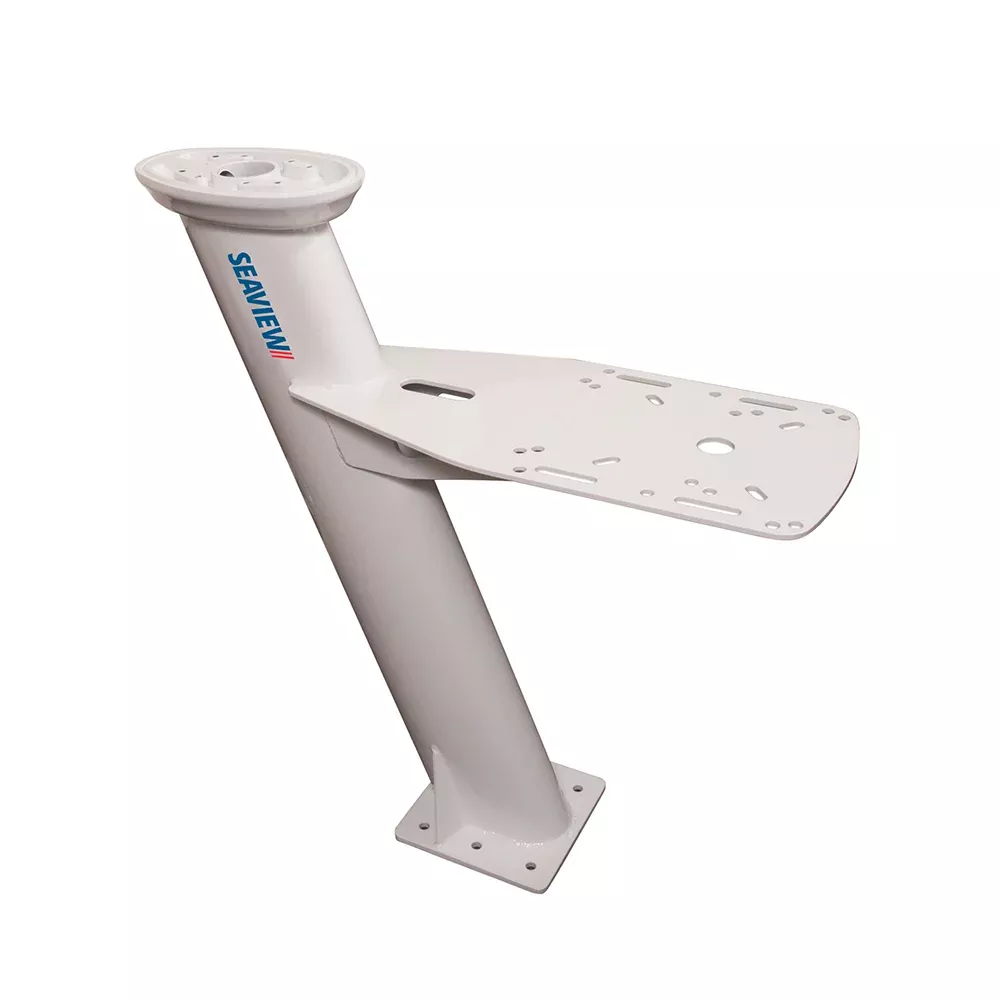
Install considerations. The commercial-grade radar antenna mounts on the upper deck (radar arch, hardtop, or dedicated mast) with adequate structural support. Cable run between the commercial-grade radar antenna and the below-deck network connection requires careful routing for signal integrity and weather protection. Power is 12V DC. Total install is a marine electronics installer day for a clean job including commercial-grade radar antenna mount, cable runs, electrical integration, and chartplotter commissioning. Not casual DIY for first-time radar installers.
Why pay this much. Three reasons. First, the 250-watt solid-state output is at the top of the recreational/cruising radar performance band. Second, Doppler Target Analyzer Doppler target highlighting genuinely changes how you operate radar by making moving targets immediately distinguishable – this matters most in busy waters where collision avoidance is the real-time job. Third, the Furuno Marine Network integration depth makes the FAR1513 a centerpiece of a complete Furuno glass-bridge setup, not just another instrument bolted on. For owners committed to Furuno and operating offshore or in commercial-traffic waters, the FAR1513 earns its position.
One more practical note for cruising operators. The FAR1513’s Doppler Target Analyzer advantage really shows in busy harbors at dusk and dawn when traditional radar makes the whole basin look like a wall of moving and stationary returns mixed together. With Doppler Target Analyzer you can see ferries, harbor traffic, and approaching boats highlighted distinctly from buoys and dock structures. It’s the kind of capability that turns radar from an after-thought reference into a primary navigation instrument.