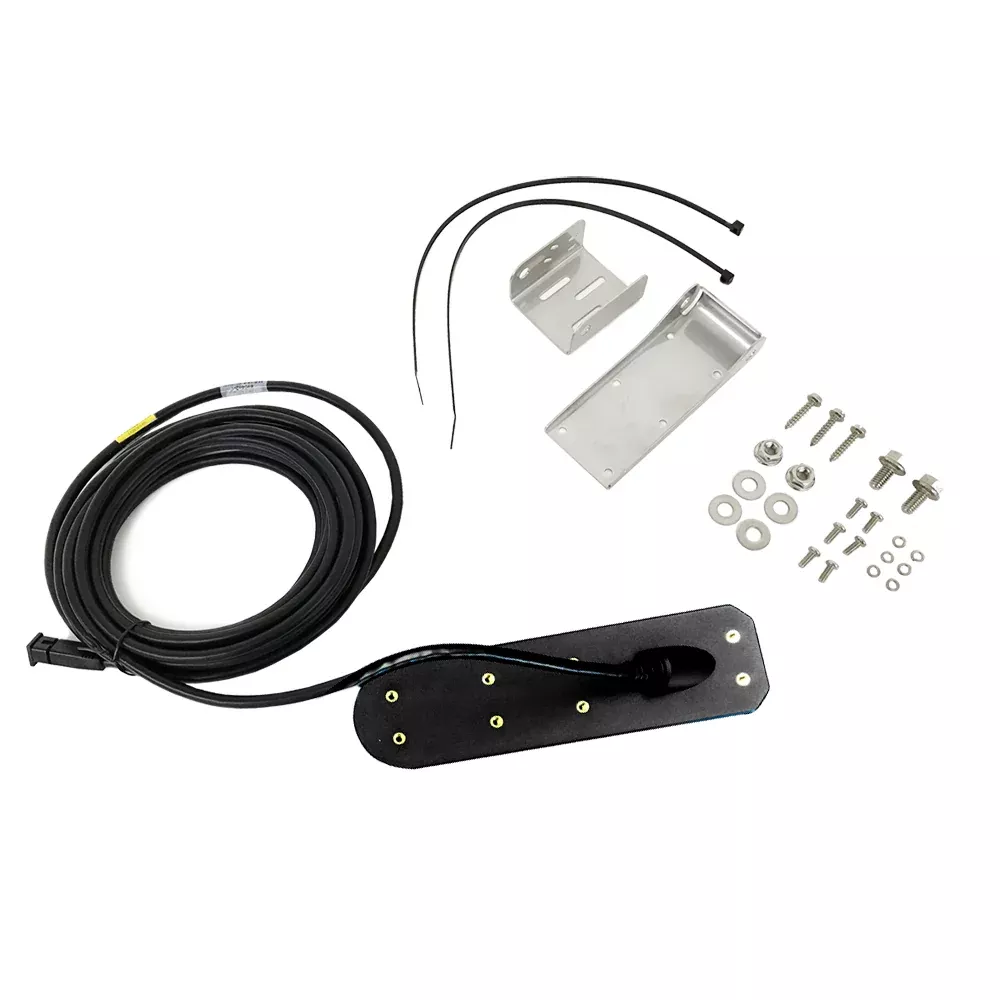
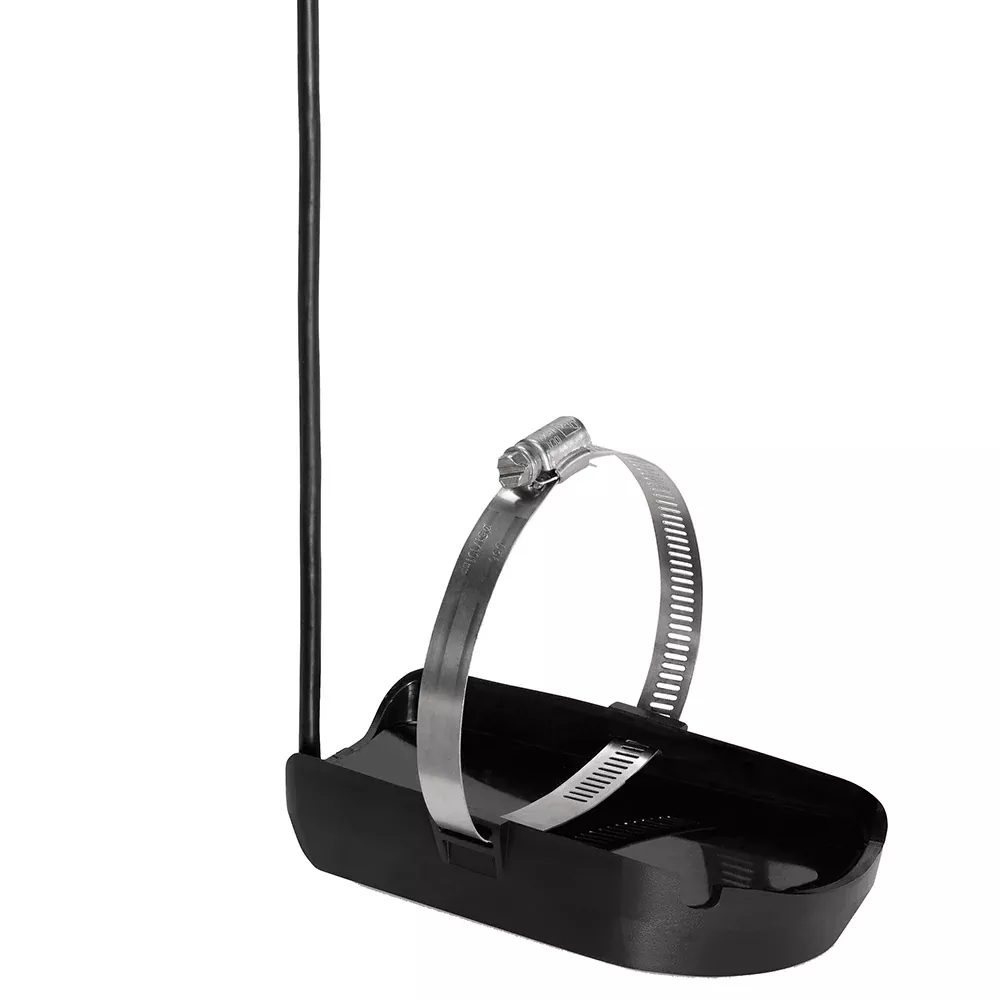
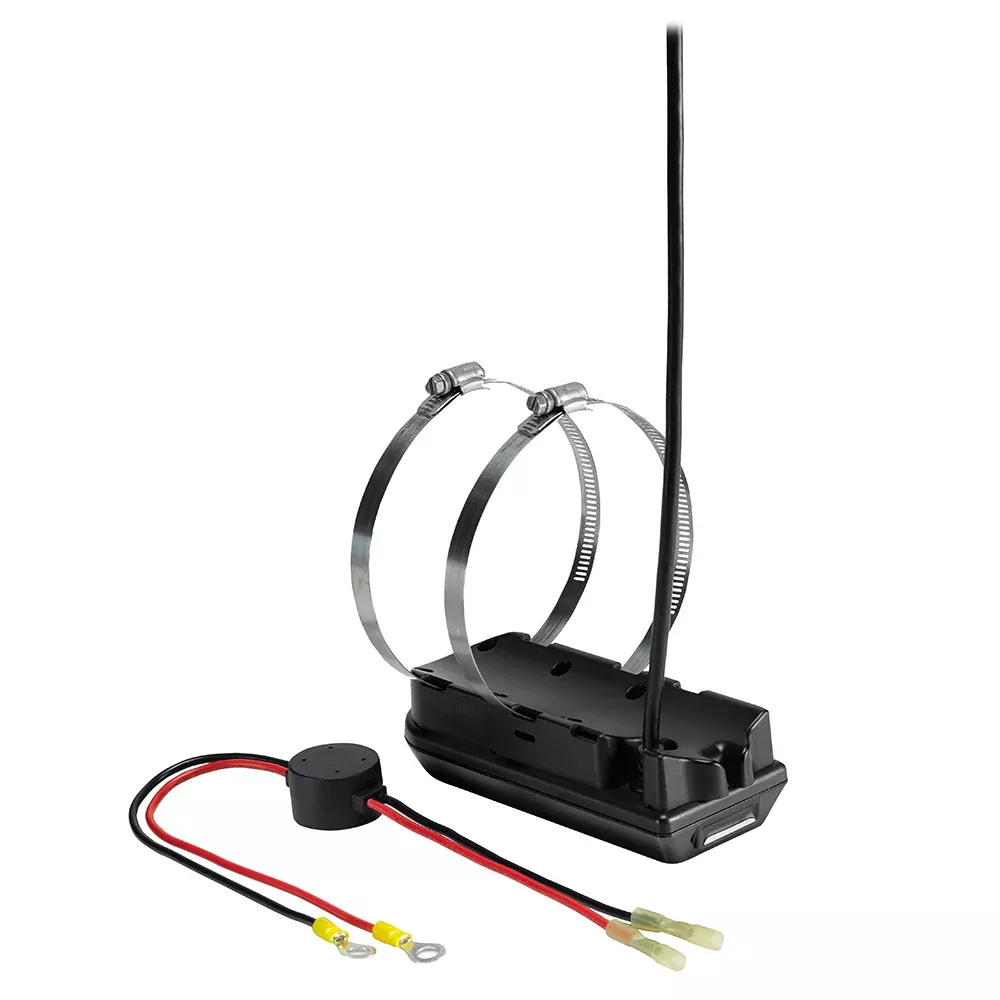
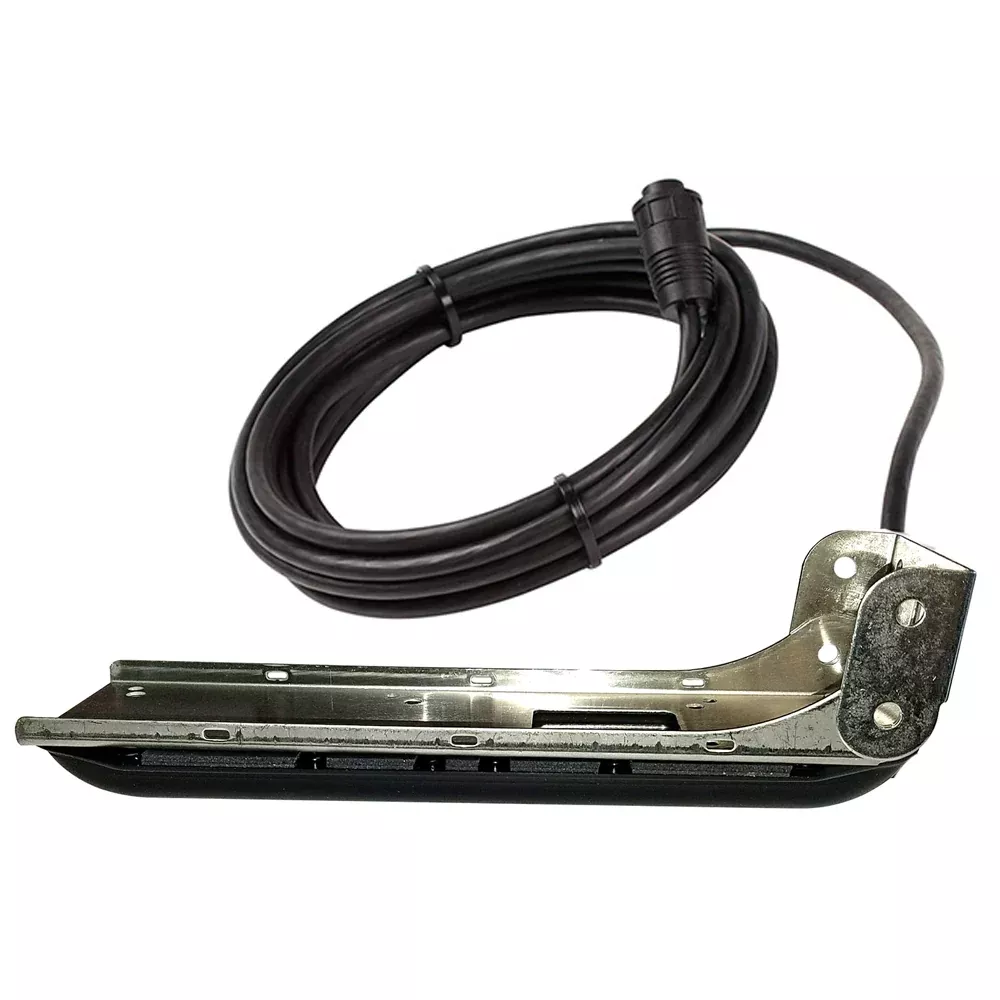
The Humminbird XM 9 HW MSI T (MPN 710282-1) is the high-wide MEGA Side Imaging+ transom mount transducer for compatible HELIX series fish finders – supports MEGA Imaging+ 1.2 MHz imaging, 800 kHz high-frequency imaging, 455 kHz mid-frequency imaging, AND Dual Spectrum CHIRP 2D sonar (150-220 kHz Full, 180-240 kHz Narrow, 140-200 kHz Wide). Maximum CHIRP depth 1200 feet. MEGA Side Imaging+ side-to-side range up to 800 feet at 455 kHz, 250 feet at 800 kHz, and 400 feet at MEGA SI+. MEGA Down Imaging+ depth up to 400 feet at 455 kHz, 125 feet at 800 kHz, and 200 feet at MEGA DI+. Built-in temperature sensor reports water temperature to the chartplotter. All-metal mounting bracket for marine-grade durability. 20-foot transducer cable with 7-pin Humminbird connector. 2.8 lbs total weight. Compatible with HELIX 8 / 9 / 10 / 12 CHIRP MEGA SI+ GPS G3N series fish finders. 1-year limited warranty.
The Humminbird XM 9 HW MSI T is the high-wide MEGA Side Imaging+ transom mount transducer designed specifically for the HELIX MEGA SI+ GPS G3N series fish finders. The XM 9 designation indicates the 9-element transducer array (more elements means better imaging detail and target separation), HW means High-Wide CHIRP coverage, MSI T means MEGA Side Imaging Transom-mount. For owners with compatible HELIX units who need a transom-mount alternative to trolling-motor or thru-hull transducer mounting, this is the right transducer.
Multi-frequency capability. The XM 9 HW MSI T supports four distinct sonar frequencies plus CHIRP – more comprehensive than typical single-frequency transducers. MEGA Imaging+ (1075-1150 kHz center, the high-detail MEGA-class imaging frequency) for the absolute best image detail at short-to-medium ranges. 800 kHz high-frequency imaging for high-detail imaging in mid-range applications. 455 kHz mid-frequency imaging for longer-range imaging coverage. Dual Spectrum CHIRP (150-220 kHz Full, 180-240 kHz Narrow, 140-200 kHz Wide) for traditional 2D fish-finder operation with the modern CHIRP advantages of better target separation, better small-target detection, and resistance to interference from other sonar sources.
MEGA Side Imaging+ – the headline capability. MEGA Side Imaging+ is Humminbird’s flagship side-looking sonar imaging – extends out to either side of the boat with high-resolution imaging that shows fish-holding cover (rocks, sunken trees, ledges, reef structure) that’s NOT directly under the boat. The image resembles a black-and-white photograph of the bottom. At 455 kHz (the longest-range MEGA imaging frequency), the side-to-side range reaches 800 feet on each side – meaning each pass covers up to 1600 feet of bottom width. At higher frequencies (800 kHz, MEGA SI+ 1.2 MHz), the range drops but the detail increases dramatically. For finding offshore reefs, identifying fish-holding wrecks, mapping ledges along bottom contours, MEGA SI+ is the imaging mode that makes structure fishing systematic.
MEGA Down Imaging+ – high-detail down view. The down-imaging mode shows the water column and bottom directly below the boat in extremely high detail. At 455 kHz, down imaging reaches 400-foot depths. At 800 kHz, 125 feet. At MEGA DI+ (1.2 MHz), 200 feet. The down view shows fish as fish-shaped objects (vs the cryptic arches of traditional sonar), structure in photographic detail, and individual bottom features clearly identifiable. Combined with MEGA SI+, you get full 360-degree imaging coverage of the area immediately around the boat.
Dual Spectrum CHIRP 2D sonar. The CHIRP mode handles traditional 2D fish-finder operation – the bottom contour, the depth display, fish arch detection, and similar 2D sonar tasks. The Dual Spectrum CHIRP uses two frequency bands simultaneously: a lower band for deep-water detection and a higher band for shallow-water detail. Three CHIRP modes: Full (150-220 kHz, the widest frequency sweep for maximum detection range and detail), Narrow (180-240 kHz, more focused frequency range for specific applications), and Wide (140-200 kHz, lowest frequency for maximum depth range). 1200-foot maximum depth in CHIRP mode covers virtually all freshwater applications and substantial saltwater fishing depths.
High-Wide CHIRP (HW) configuration. The HW designation in the model name indicates the CHIRP beam pattern – wider beam coverage than the equivalent narrow-beam variant. Wide beam covers more area per pass (good for searching and general fishing), narrow beam concentrates the sonar energy in a tighter cone for better range and detail in a smaller area (good for specific structure targeting). For typical recreational fishing where you’re searching for fish over open water, the High-Wide configuration is the right choice. For tournament-class targeted structure fishing where you need maximum range at specific structures, the narrow variants might be a better fit.
Built-in temperature sensor. The transducer includes an integrated temperature sensor that reports water temperature at the transducer depth to the chartplotter. Water temperature data matters for fishing applications (thermocline tracking, species-temperature preferences for trout / salmon / similar temperature-sensitive species) and for general boating awareness (cold-water warning, current temperature differentials that indicate productive fishing zones).
All-metal mounting bracket. The transom mount bracket is metal construction – more durable than plastic alternatives that can crack from impact or UV degradation over time. The metal bracket also provides better long-term mounting alignment – it doesn’t flex under water pressure at planing speeds the way plastic brackets sometimes do. For boats running fast in rough water, the metal bracket integrity matters meaningfully.
20-foot cable with 7-pin Humminbird connector. The transducer ships with 20 feet of cable terminated in the 7-pin Humminbird connector that pairs with compatible HELIX units. 20 feet is sufficient for typical mid-size boat installations – the cable runs from the transom up to the helm-mounted HELIX unit. For very large boats with helms unusually far from the transom, extension cables are available from Humminbird (sold separately).
Compatible HELIX models. The XM 9 HW MSI T is specifically designed for the Humminbird HELIX MEGA SI+ GPS G3N series – HELIX 8 CHIRP MEGA SI+ GPS G3N, HELIX 9 CHIRP MEGA SI+ GPS G3N, HELIX 10 CHIRP MEGA SI+ GPS G3N, and HELIX 12 CHIRP MEGA SI+ GPS G3N. Verify your specific HELIX model is on this compatibility list before ordering – older HELIX models without MEGA SI+ support won’t drive this transducer to its full capability, and non-G3N variants may have different transducer compatibility.
Why the XM 9 over other transducers. The XM 9 is Humminbird’s premium HELIX-compatible transom transducer – more capability (multiple frequencies, MEGA SI+ support) than the basic transom transducers that ship with entry-level fish finders, but at lower cost than the APEX-class transducers that pair with the flagship APEX chartplotters. For owners with the HELIX MEGA SI+ G3N series who want maximum imaging capability without upgrading to the APEX series, the XM 9 is the right transducer.
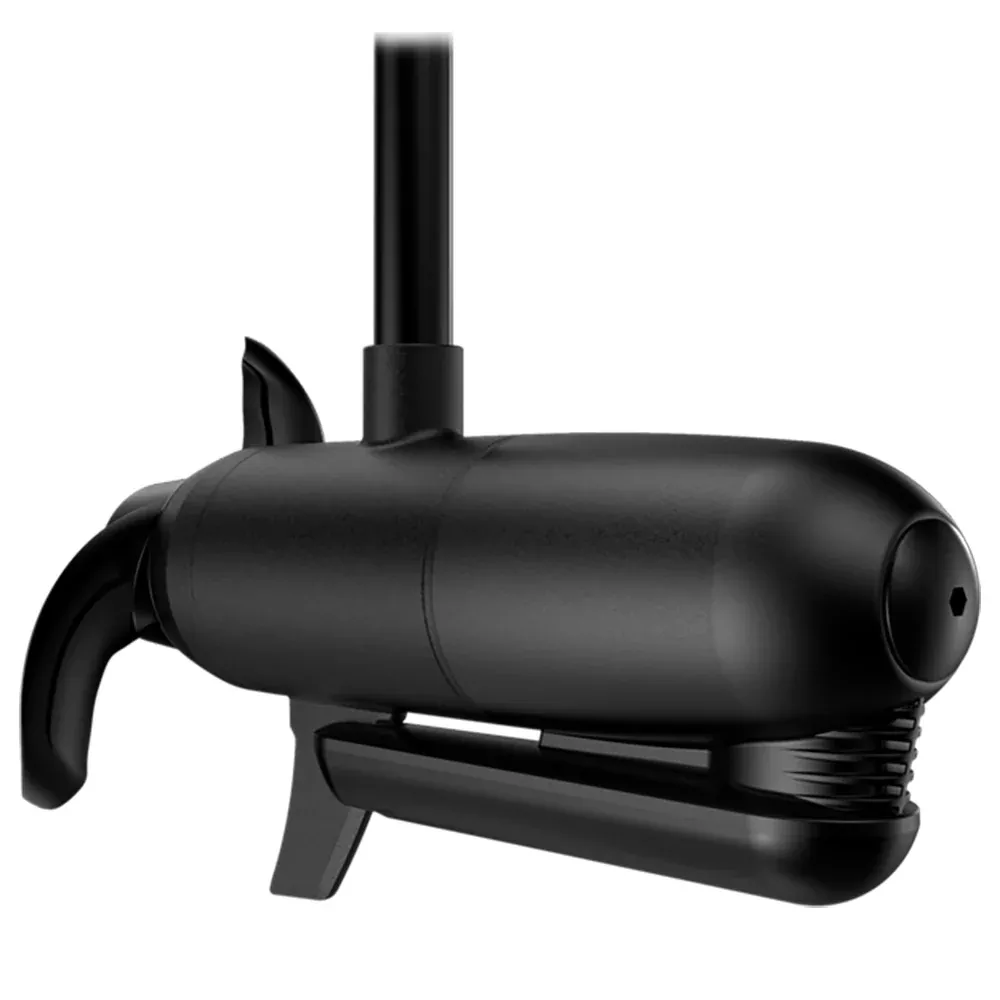
Transom mount vs trolling-motor mount. Transom mounting (this transducer) places the transducer on the boat transom, exposed to the running prop wash. Pros: easy install, no trolling-motor mount required, the transducer always operates regardless of trolling motor state. Cons: prop wash can disturb the sonar image at higher speeds, transducer is exposed to potential impact damage from debris. Trolling-motor mounting places the transducer on the trolling motor itself (using a Humminbird XNT 9 series transducer instead). Pros: cleaner water flow over the transducer, transducer points wherever the trolling motor points. Cons: requires trolling motor, image disturbed if you turn the trolling motor off. For boats without trolling motors or where you want the simpler install path, transom mount is right. for serious tournament-class fishing with electric-steer trolling motors, trolling-motor mount is more common.
Install. Mount the bracket on the transom using stainless steel bolts (typical install uses 10 self-tapping screws or 1/4-inch bolts through the transom with sealant at every penetration). Position the transducer per Humminbird’s install documentation – ideally on the side of the transom opposite the prop wash, in clean water flow, with the transducer angled to operate in the running attitude of the boat. Run the cable forward to the helm, securing along the way to prevent chafe. Connect to the HELIX unit’s 7-pin transducer port. Power up the HELIX and configure the transducer settings per the manual. Total install runs 1-2 hours for someone with reasonable mechanical and marine electrical skills.
1-year limited warranty. Humminbird backs the XM 9 with a 1-year limited warranty against manufacturing defects under normal recreational use. Service through the Humminbird warranty network. Save the receipt and original packaging if practical for warranty service. The transducer’s main long-term wear points are the cable strain reliefs (where the cable exits the transducer body and the connector) – inspect these periodically and avoid sharp bends near the strain reliefs to maximize cable life.