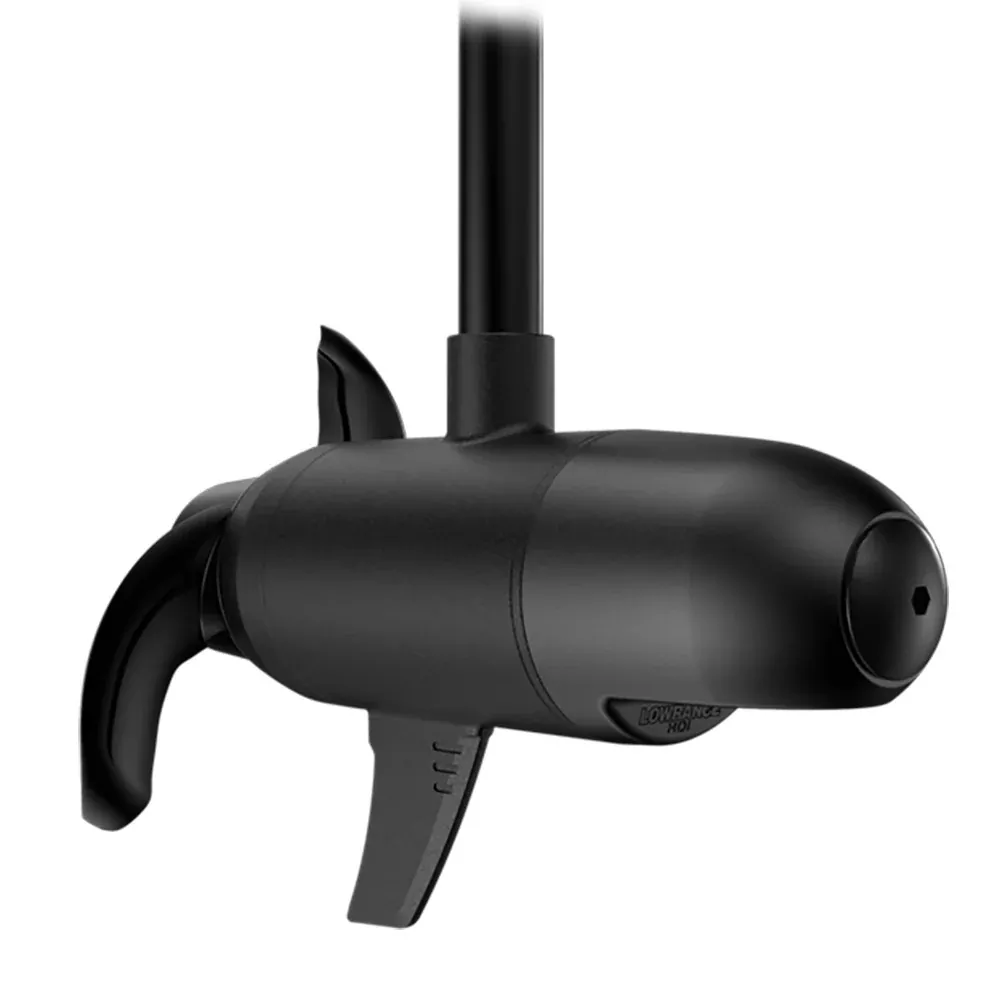
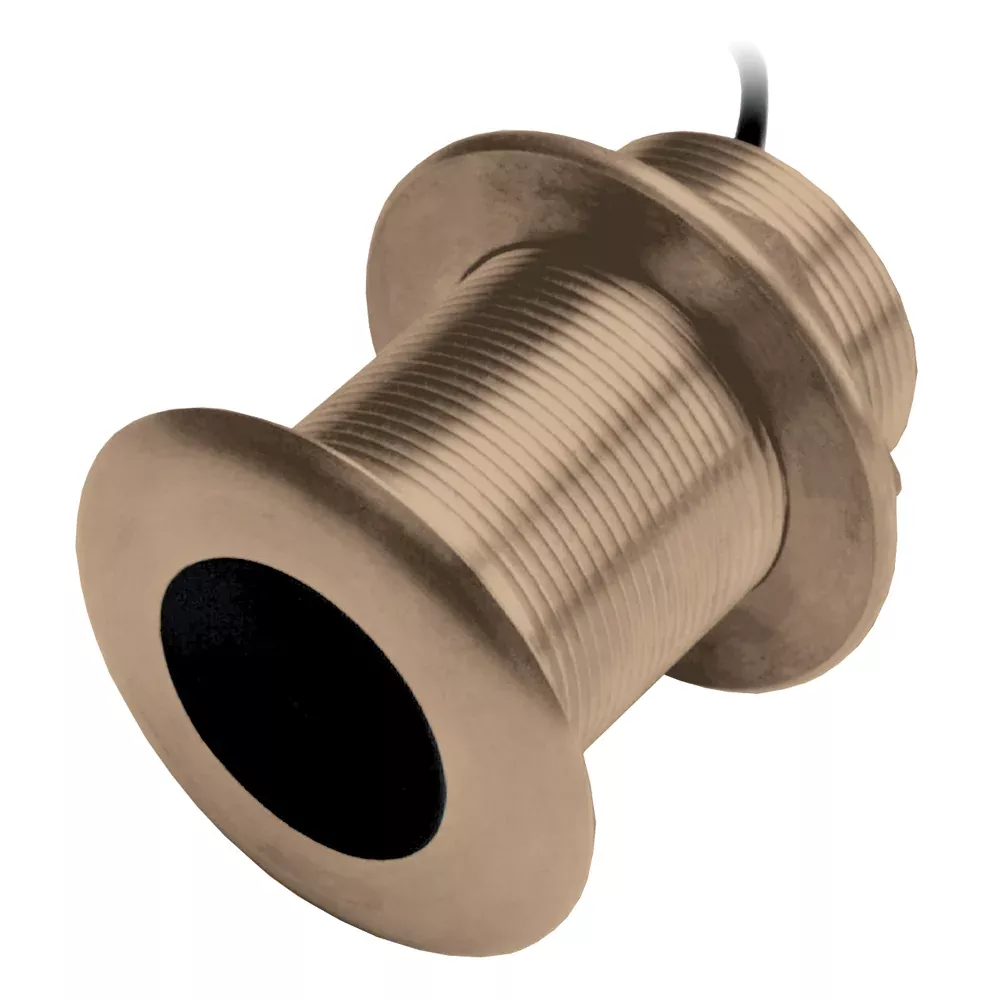
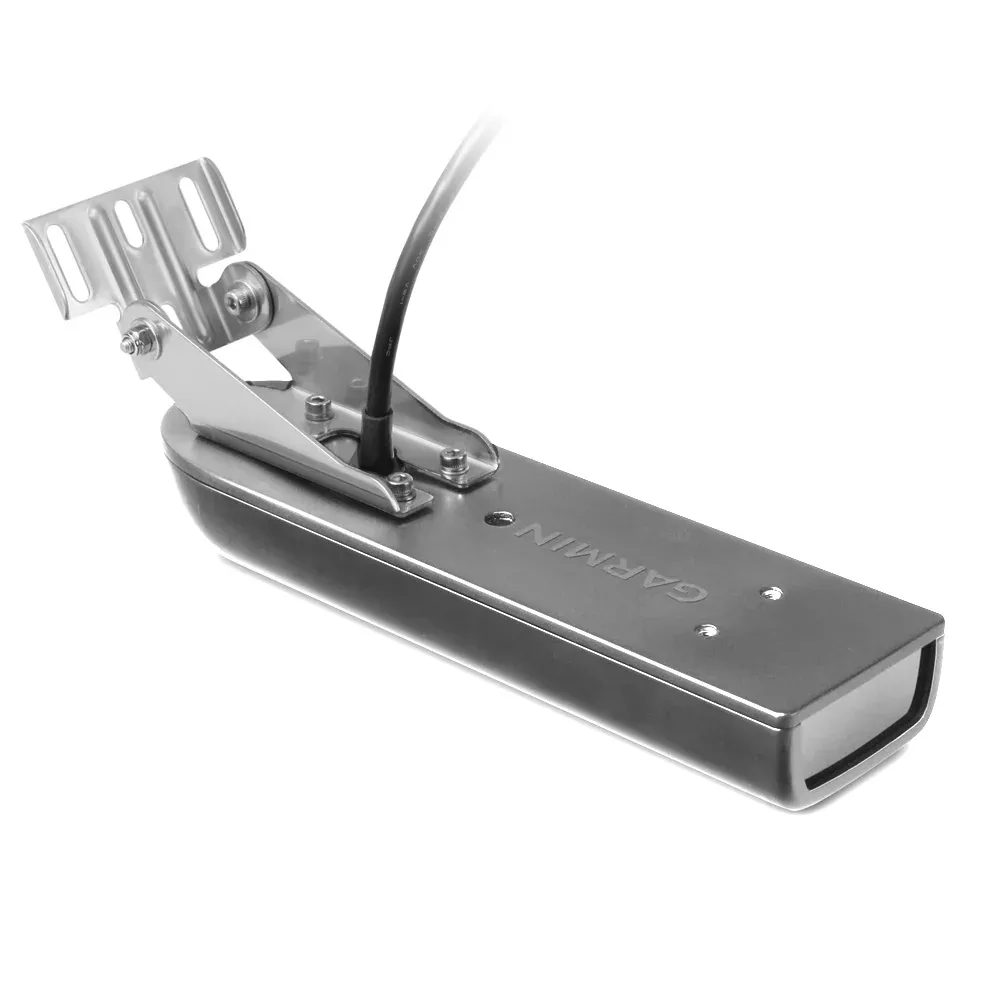
Snap this nosecone onto the lower unit of a Lowrance Ghost and you’ve got CHIRP and DownScan sonar streaming to your HDS or Elite FS chartplotter. It’s the cleanest sonar install on a trolling motor.
The Lowrance HDI Nosecone (MPN 000-15275-001) is the transducer nosecone designed specifically for the Lowrance Ghost trolling motor. It replaces the standard Ghost nosecone with one that houses an HDI transducer. Once installed, you get CHIRP traditional sonar and DownScan piped to your Lowrance HDS Live, HDS Carbon, Elite FS, or similar Lowrance chartplotter through the Ghost’s integrated transducer cable.
What it does. The HDI transducer is the same module used in Lowrance’s standalone transducer products. It combines wide-band CHIRP traditional 2D sonar down-imaging out to about 100 feet per side, and DownScan down-imaging in a single unit. The nosecone format packages this transducer into a drop-in upgrade for the Ghost trolling motor that requires no clamps, no external cable routing, and no drilling.
Compatibility. The nosecone fits the Lowrance Ghost trolling motor (current production models). It does NOT fit the Lowrance Ghost X (next-gen model with different lower unit geometry), and it does NOT fit non-Lowrance trolling motors. If you have a Ghost X, Lowrance makes a different transducer specifically for that platform.
The Ghost has an integrated transducer cable that runs from the trolling motor head through the shaft and connects internally to the nosecone. When you replace the standard nosecone with the HDI nosecone, the cable connection is made automatically. You don’t run external cable up the shaft, you don’t drill anything, and you don’t modify the Ghost. The install is essentially: remove the old nosecone (a few bolts), seat the new nosecone with its built-in connector, tighten down. Plan 20-30 minutes of bench work.
Once installed, the transducer connects through the Ghost’s existing cable to your Lowrance chartplotter. If you’re already running an HDS Live, HDS Carbon, or Elite FS series, the chartplotter recognizes the transducer automatically and adds the sonar views. You configure the views (CHIRP DownScan, or combined) in the chartplotter menu.
Why this nosecone matters. Trolling motor mounted transducers are the most useful sonar configuration for active fishing because the transducer points where the trolling motor’s pulling the boat. You scan structure as you idle into a fishing spot, mark waypoints on what you see, and position the motor over those exact spots. The HDI gives you both down-imaging (for finding structure beside the boat) and down-imaging (for confirming what’s directly below) plus traditional CHIRP for fish marks. The combination shows you everything you need to know about the water you’re fishing.
The clean install is the differentiator. Compared to clamp-on transducers that mount to the trolling motor housing with external cable runs, the integrated nosecone gives you a factory-finish appearance and a single integrated cable path. Boat resale value benefits. Even if you don’t care about resale, you’ll appreciate not having a transducer cable zip-tied along the shaft.
Practical fishing impact. The Lowrance Ghost’s calling card has always been its quiet brushless motor and accurate spot-lock positioning. Add the HDI nosecone and the Ghost becomes a complete fishing platform. You scan a bay with DownScan as you idle in, identify productive structure (brush piles, rocks, dock pilings, isolated weed clumps), drop waypoints on the chartplotter from the DownScan view, and let Ghost spot-lock position you over those exact spots while you cast. The combination is what serious bass tournament anglers and walleye guides build their boats around.
One consideration on chartplotter sizing. The HDI transducer outputs three sonar streams (CHIRP DownScan). Smaller chartplotter screens (5 to 7-inch) can show one or two views at a time, but you’ll be flipping between them. For the full experience, anglers typically run 9-inch or larger chartplotter screens at the helm and bow, with DownScan and DownScan running side-by-side and CHIRP available on a third pane. If you’re upgrading both the nosecone and the chartplotter together, factor screen size into the upgrade plan.