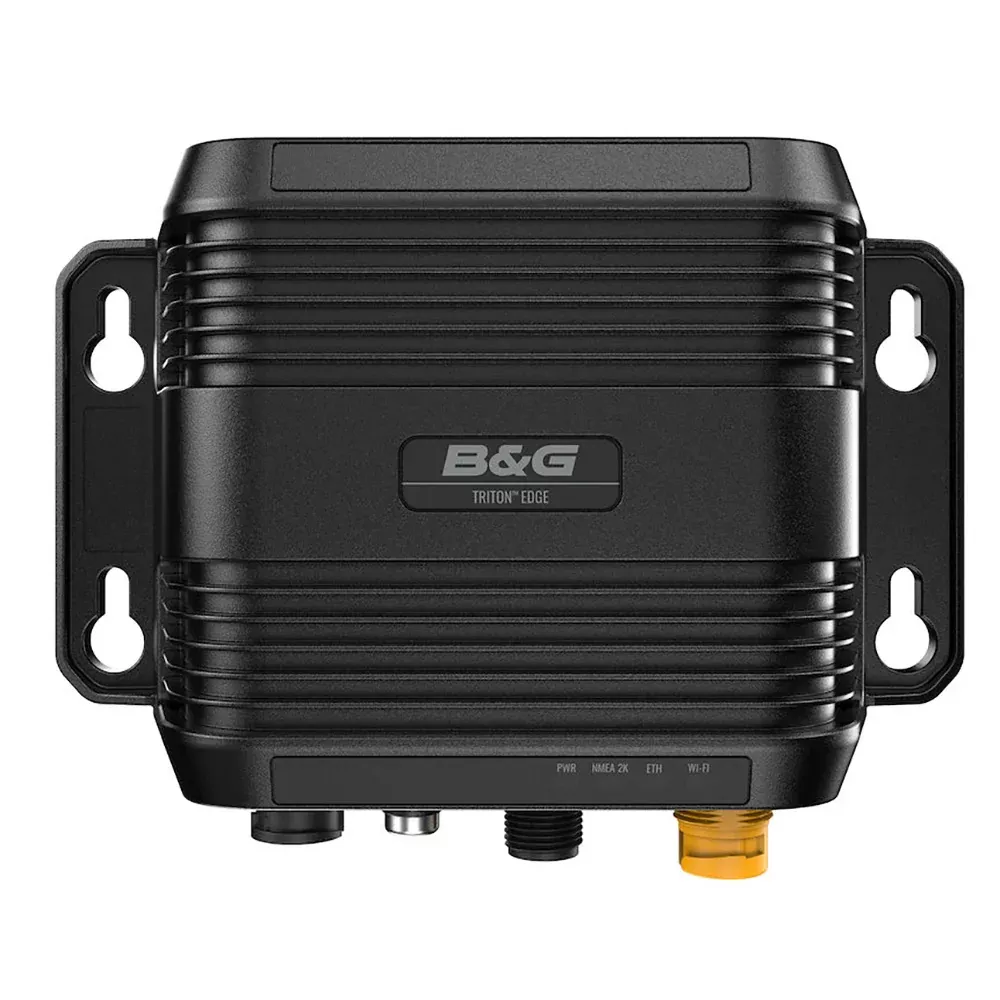
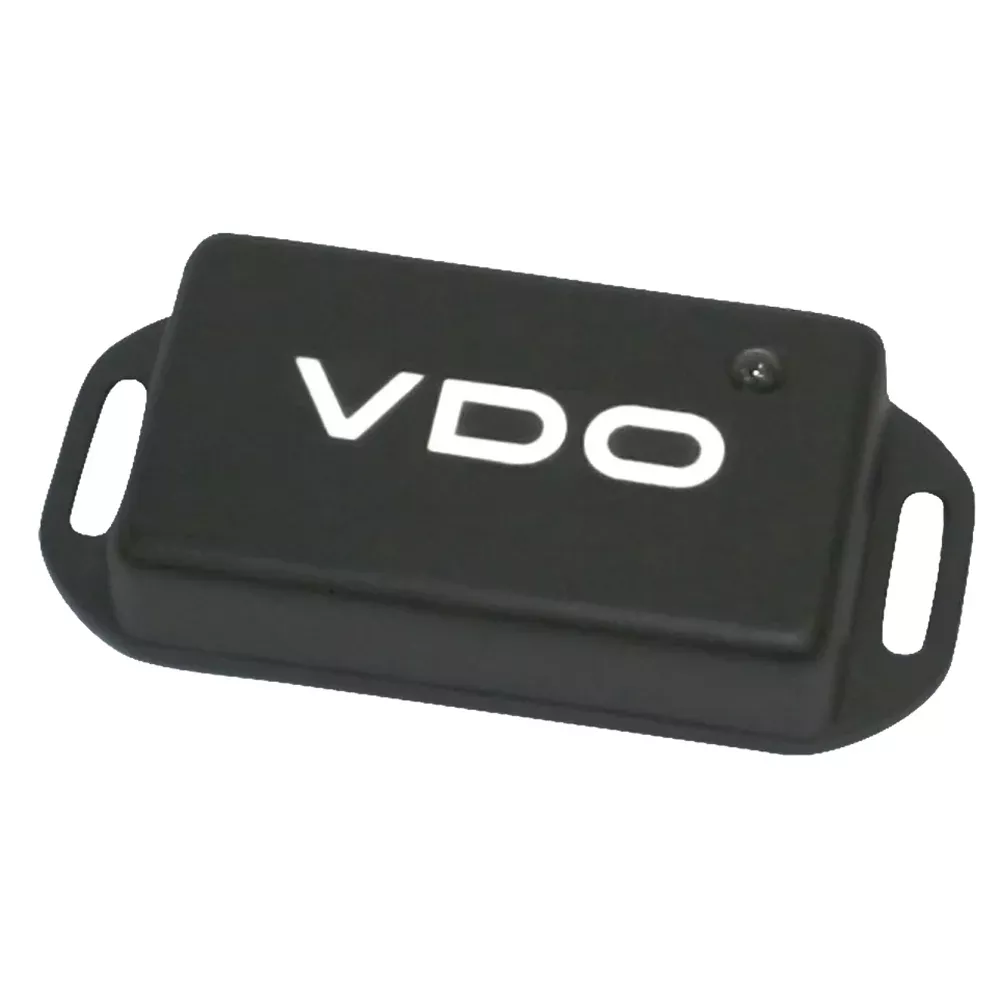
Unlock Precision Sailing with Advanced Data Processing
Imagine slicing through waves with pinpoint accuracy, where every tack and gybe is informed by real-time, corrected data. The Triton Edge Sailing Processor transforms raw sensor inputs into actionable insights, empowering cruiser-racers to optimize performance without the guesswork. By handling complex calculations like heel-adjusted true wind and dynamic start line functions, it elevates your onboard systems, making long passages or competitive races more efficient and enjoyable.
Sailors appreciate how this compact unit refines boat speed under varying conditions, ensuring your autopilot responds with surgical precision to apparent wind shifts. It’s not just about numbers on a screen—it’s about gaining a competitive edge or safer, smoother cruising through smarter data flow.
Core Sailing Features That Make a Difference
At the heart of the Triton Edge lies a high-speed microprocessor designed specifically for marine environments. It processes an array of sailing-specific metrics, delivering clarity amid the chaos of open water.
Advanced Start Line Aid: Calculates optimal positioning with layline predictions, helping you nail the perfect start in club races or offshore events.
True Wind Mastery: Applies heel and leeway corrections for wind data that’s trustworthy, even in heavy weather.
Auto-Calibration Tools: Seamlessly tunes boat speed and sensor alignments, reducing setup time and boosting reliability over multiple outings.
Data Logging and Replay: Capture every leg of your journey for post-sail analysis, identifying patterns to refine your technique.
These tools shine for dual-purpose yachts, blending cruiser comfort with racer sharpness, all without overwhelming your dash.
Seamless Connectivity for Modern Yacht Systems
Integration is effortless, bridging your sensors to multifunction displays and chartplotters. Dual Wi-Fi modes—one for internet access, another as a hotspot—enable wireless control from tablets or phones. Pair it with companion apps for cloud uploads, turning your yacht into a connected vessel.
Ethernet for high-bandwidth data sharing with plotters.
NMEA 2000 backbone for plug-and-play sensor networks.
Web-based interface for intuitive configuration, diagnostics, and backups—no proprietary software needed.
Whether expanding from basic Triton setups or linking to larger networks, it supports low-profile installs that keep your cockpit clean and functional.
Rugged Build for Real-World Demands
Engineered to withstand the marine grind, this processor thrives in harsh conditions while maintaining peak performance.
Category
Details
Environmental
Operating: -15°C to 55°C (5°F to 131°F) Storage: -40°C to 85°C (-40°F to 185°F) Waterproof: IPX6/IPX7
Electrical
Supply: 9-31V DC (12/24V nominal) Fuse: 3A recommended
LED indicators provide at-a-glance status, simplifying troubleshooting at sea.
Everything You Need for Quick Setup
Triton Edge Processor unit
4-pin power cable
NMEA 2000 T-joiner
0.6m (2 ft) NMEA 2000 cable
Discrete mounting options ensure it fits anywhere, from bulkheads to engine bays.
Frequently Asked Questions
What makes the Triton Edge Sailing Processor ideal for cruiser-racers?
It combines advanced sailing calculations like heel-corrected true wind and start line aids with simple connectivity, perfect for yachts that balance relaxed cruising and spirited racing without complex setups.
How does it improve autopilot performance?
By delivering precise, corrected data such as boat speed and wind angles adjusted for heel and trim, it enables more accurate autopilot responses, helping maintain optimal sailing angles.
Can I access sailing data remotely?
Yes, through app integration for data review and replay, plus cloud storage for trips. Wi-Fi also allows web-browser control from anywhere on or off the boat.
What networks does it connect to?
It features NMEA 2000 for sensors, Ethernet for chartplotters, and Wi-Fi for wireless access, ensuring broad compatibility with Triton, Nemesis, Vulcan, and Zeus systems.
Is installation straightforward for non-experts?
Absolutely—plug-and-play cables, low-profile design, and web-based setup make it user-friendly. Auto-calibration further simplifies ongoing maintenance.
How rugged is it for offshore use?
With IPX6/7 waterproofing, wide temperature tolerance, and marine-grade approvals, it’s built to handle spray, humidity, and extreme conditions reliably.
Does it support data backups?
Yes, via the integrated web server and app, you can backup, restore, and export data easily for long-term analysis or sharing.