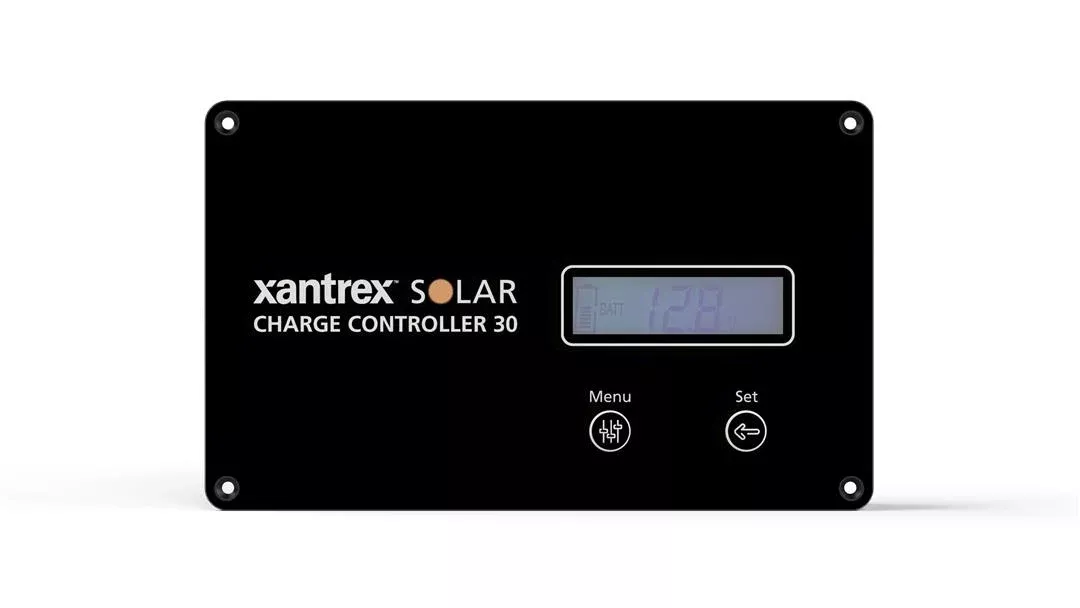
Harness the power of the sun reliably with a charge controller built for demanding adventures. This 30A PWM solar charge controller steps in as your system’s smart overseer, ensuring batteries get the optimal charge without overdoing it. Perfect for off-grid setups in RVs, boats, or trucks, it transforms variable solar input into steady, usable energy. Whether you’re chasing horizons or anchoring in remote spots, it keeps your power flowing smoothly.
Why This PWM Controller Stands Out for Solar Enthusiasts
In the world of solar charging, PWM technology offers a straightforward, budget-friendly path to efficiency. Unlike more complex systems, it pulses power in precise widths to match your battery’s needs, preventing waste and extending lifespan. This model shines in 12V setups handling 100 to 220 watts, making it ideal for compact roof-mounted panels common on recreational vehicles.
Users love its rugged, flush-mount design that blends seamlessly into dashboards or bulkheads—no bulky protrusions to snag gear. The digital LCD screen delivers instant insights into charge status, voltage, and amps, so you always know your system’s health at a glance. Plus, it tackles real-world challenges like extreme temperatures and voltage spikes with top-tier safeguards.
Multi-stage charging: Bulk for fast fill-up, absorption to top off, float for maintenance, and equalization for deep-cycle health.
Broad battery support: Works flawlessly with sealed AGM, gel, flooded lead-acid, and modern lithium iron phosphate (LiFePO4) packs.
Compact and durable build certified to rigorous standards, ready for marine spray or dusty trails.
How PWM Charging Keeps Your Batteries Thriving
Pulse Width Modulation (PWM) is like a dimmer switch for your solar panels. It rapidly connects and disconnects the panel output, adjusting the “on” time to regulate current flow. This matches the panel voltage down to battery levels efficiently, avoiding the heat buildup that plagues simpler controllers.
For a typical RV solar array, it kicks off in bulk mode to gulp down midday power, shifts to absorption as the battery nears full (around 14.4V for most chemistries), then floats at a trickle (13.2-13.8V) to sustain without gassing. Equalization periodically nudges voltage higher to stir electrolytes in flooded batteries, combating sulfation. An optional remote temperature sensor fine-tunes this process based on battery heat, maximizing charge acceptance on hot days.
Simple Setup for Quick Solar Wins
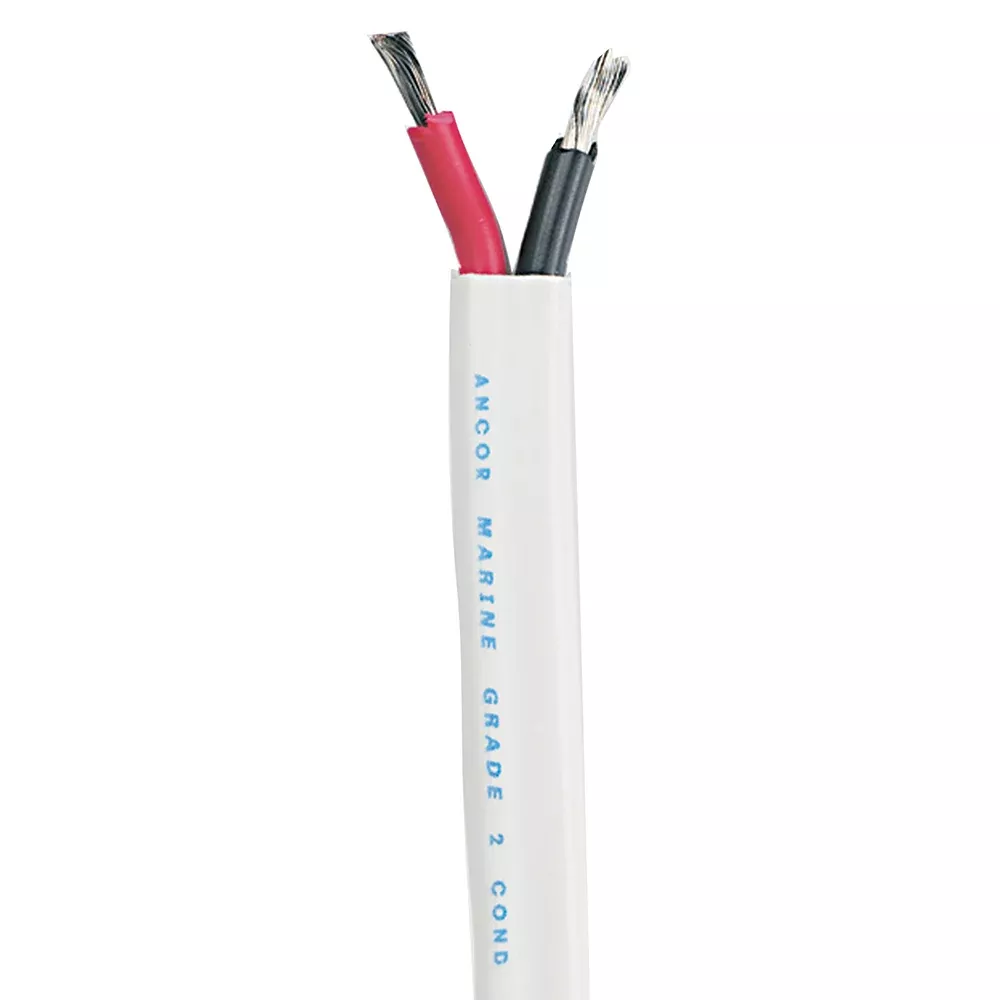
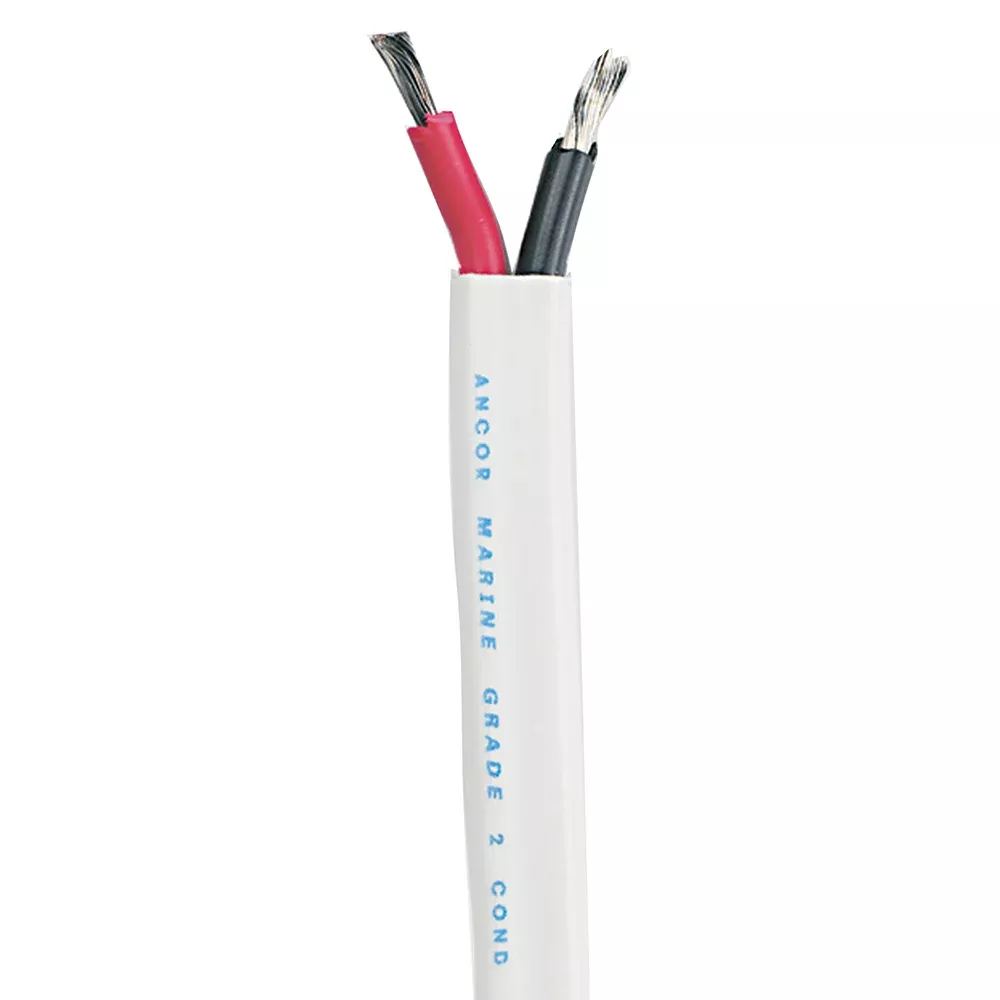
Getting this controller online takes under an hour for most DIYers. Mount it flush near your battery bank to minimize wire runs—keep solar positive/negative fused at 40A, and use at least 10 AWG wire for panels up to 220W. Connect panels first, then battery terminals (observe polarity!), and fire it up. The LCD walks you through programming: pick your battery type, set any custom voltages, and watch it auto-tune.
Pro tip: Position it in a ventilated spot away from direct sun to stay cool under load. For marine installs, seal connections against moisture. Always disconnect in reverse order during removal to avoid sparks. Once running, it self-monitors for issues like reverse current or overloads, lighting up alerts if needed.
Versatile Power for RVs, Boats, and Beyond
Boondockers rave about pairing it with 200W roof panels to run fridges and lights indefinitely. On boats, it charges house banks during daylight cruises, freeing inverters for AC loads. Truckers use it for aux lithium setups powering tools or fridges on long hauls. Its 30A capacity handles multiple panels in parallel, scaling easily without headaches.
Compared to MPPT controllers, PWM saves upfront costs and complexity for systems under 220W where wire losses are low. It’s plenty efficient (up to 98% in ideal conditions) and far more forgiving in partial shade—common on moving vehicles.
Long-Term Reliability Tips
Minimal upkeep keeps it humming for years: Wipe the LCD occasionally, inspect connections annually for corrosion, and reset equalization cycles per your battery manual. LiFePO4 users, disable equalization to avoid stress. Monitor via the display for trends like declining amps, signaling dirty panels or aging batteries.
Frequently Asked Questions
What battery types does this 30A PWM charge controller support?
It handles sealed AGM, gel, flooded lead-acid, and lithium iron phosphate (LiFePO4) batteries, with programmable settings for each to optimize charging profiles.