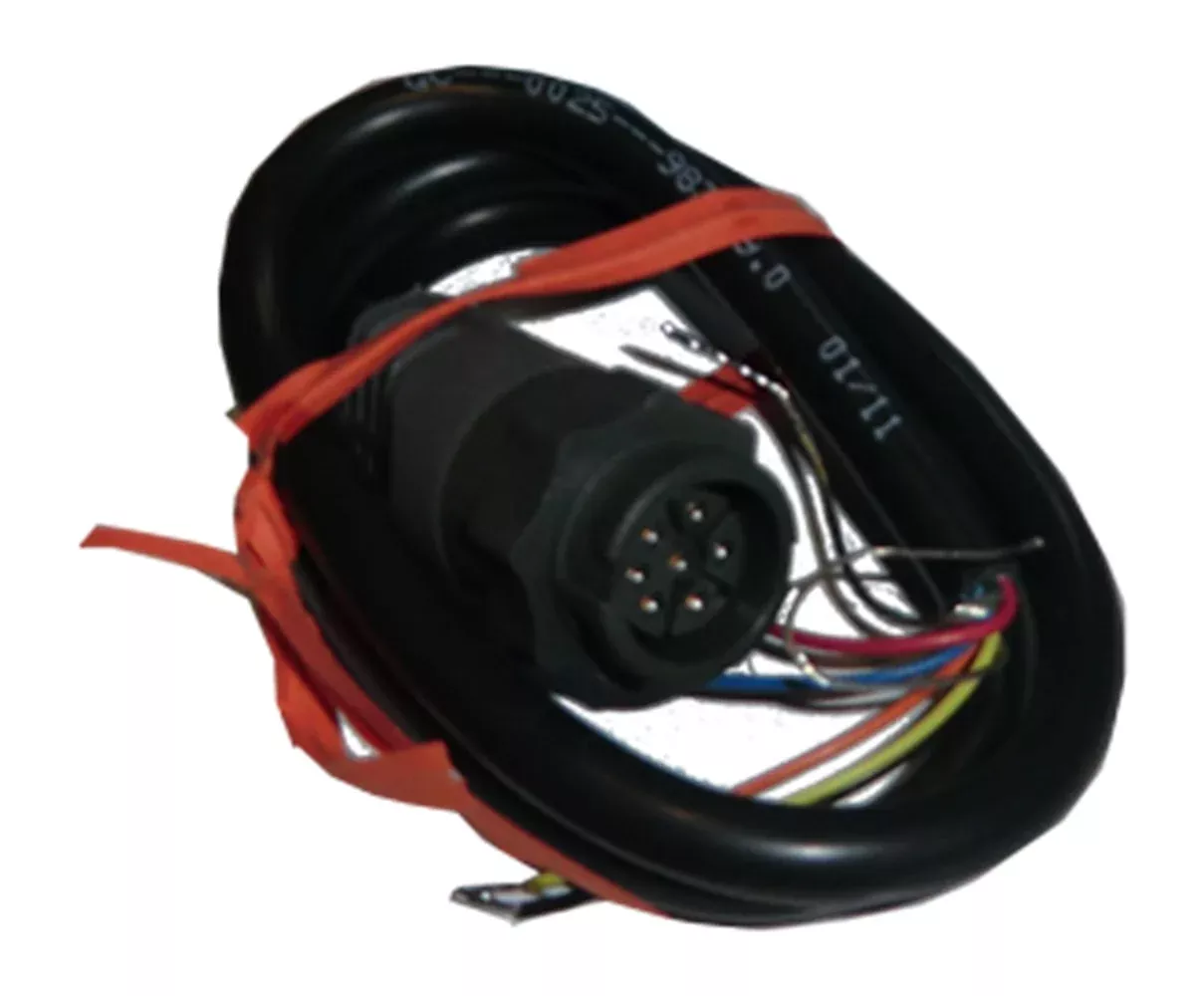
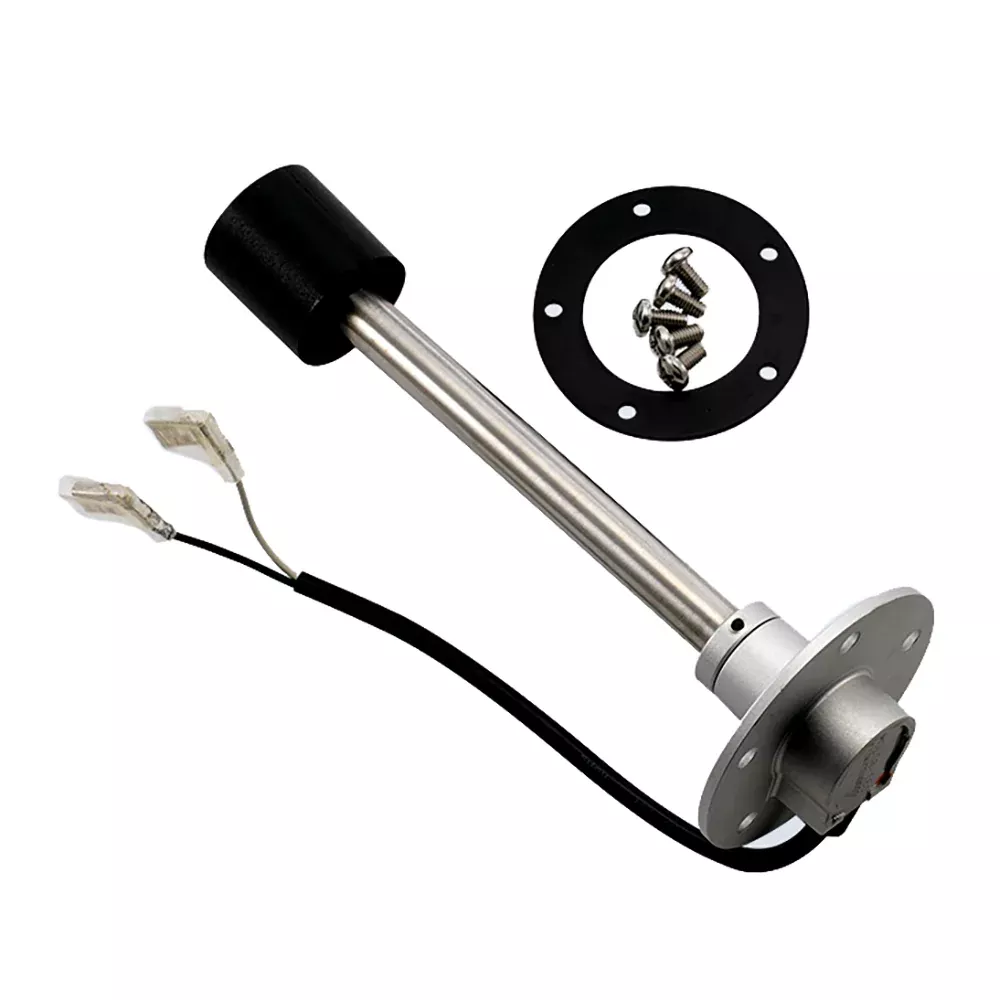
Upgrade your sonar setup with this essential adapter that bridges the gap between bare-wire CHIRP transducers and your Simrad or Lowrance sounder module. Designed for seamless integration, it transforms transducers without connectors into fully functional components ready for the blue connector interface on BSM-2 equipped units. Whether you’re outfitting a new boat or retrofitting existing gear, this pigtail ensures reliable signal transmission for sharper fish arches and detailed bottom contours.
Key Features and Specifications
Direct Bare Wire Connection: Simplifies wiring by providing pre-stripped leads that match standard CHIRP transducer outputs, eliminating the need for custom soldering in many cases.
Blue Connector Compatibility: Perfectly mates with the BSM-2 module’s blue plug, supporting high-frequency CHIRP signals up to demanding marine environments.
Rugged Marine Build: Constructed with tinned copper wires and waterproof connectors to withstand saltwater exposure, vibration, and temperature swings common on the water.
Plug-and-Play Design: Minimal tools required—just strip, crimp, or solder your transducer wires to the pigtail ends for quick deployment.
Signal Integrity: Maintains low noise and high bandwidth, preserving the clarity of CHIRP technology for superior target separation.
Full Compatibility Breakdown
This pigtail shines in setups where your CHIRP transducer lacks the factory blue connector. It pairs effortlessly with:
Simrad NSS, NSO, and NSSE series multifunction displays featuring BSM-2 integration.
Lowrance HDS LIVE, HDS PRO, and Elite FS units with compatible sounder modules.
Popular bare-wire CHIRP transducers like those from Airmar or OEM aftermarket models (e.g., TM185, SS175).
Pro Tip: Always verify your transducer’s pinout against the pigtail diagram (typically color-coded for power, ground, signal, and shield) to avoid mix-ups during install.
Step-by-Step Installation Guide
Prep Your Workspace: Work in a dry area with good lighting. Gather wire strippers, crimpers, heat-shrink tubing, and electrical tape.
Match Wires: Identify transducer leads (usually red for power, black for ground, blue/white for signal pairs). Align with pigtail colors.
Secure Connections: Strip 1/4-inch insulation, twist strands, crimp with butt connectors, or solder for permanence. Insulate each joint with heat-shrink.
Route and Connect: Feed the pigtail through your unit’s gland, plug into the BSM-2 blue port, and secure with the locking collar.
Test the System: Power up, run a transducer calibration, and check for clean sonar returns on your display.
Time estimate: 15-30 minutes for experienced installers. This DIY approach saves time and keeps your electronics warranty intact.
Why Boaters and Anglers Rely on This Adapter
CHIRP technology revolutionized fishfinding by sweeping frequencies for unmatched resolution, but mismatched connectors can sideline your setup. This pigtail unlocks that potential without buying a new transducer, cutting costs and downtime. Real-world wins include:
Offshore Trolling: Crystal-clear separation of bait schools from gamefish at 1000+ feet.
Inshore Structure Scanning: Pinpoint wrecks and ledges with side-imaging precision.
Tournament Ready: Trusted by pros for consistent performance under pressure.
Invest in reliability—users report fewer dropouts and easier troubleshooting compared to makeshift wiring hacks.
Maintenance and Troubleshooting Tips
Inspect connections annually for corrosion; apply dielectric grease to blue connector pins.
If sonar blanks out, check for pinched wires or loose crimps first.
Pair with a dedicated transducer extension cable for longer runs to minimize signal loss.
Update your unit’s firmware for optimal CHIRP performance post-install.
Frequently Asked Questions
What transducers work with this Simrad pigtail?
It’s ideal for most bare-wire CHIRP transducers, including popular Airmar models like the TM265 or B765, as long as they output standard signal pairs compatible with BSM-2.