Protect Your Mercruiser Bravo III Drive with Reliable Aluminum Anodes
Keeping your boat’s outdrive in top shape starts with smart corrosion protection. In harsh marine environments like saltwater or brackish bays, galvanic corrosion can quietly eat away at expensive metals in your Mercruiser Bravo III sterndrive. That’s where a high-quality anode kit steps in, acting as a sacrificial barrier to shield propellers, gear cases, and trim rams from electrolytic damage.
This aluminum anode kit delivers proven performance tailored specifically for Bravo III drives. Crafted from high-purity aluminum alloys, these anodes offer superior efficiency compared to generic options, dissolving evenly to provide maximum protection without wasting material too quickly. Boat owners swear by aluminum for its balanced activation in saltwater—more active than zinc but less aggressive than magnesium, making it ideal for coastal cruising or offshore adventures.
Key Features and Advantages
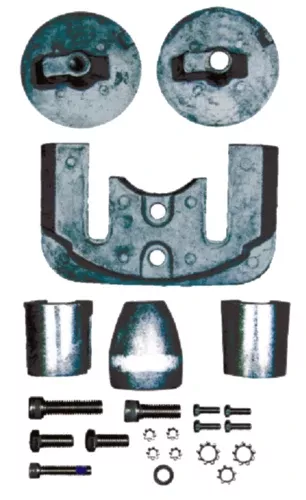
Complete Kit Coverage: Includes multiple anodes for comprehensive protection—trim cylinder anodes, gear case anode, and prop nut anode—ensuring no vulnerable spots on your Bravo III.
Precision Fit: Direct replacement design matches OEM specs for seamless integration, whether you’re maintaining a Bravo III X, XR, or standard model.
Enhanced Durability: Aluminum composition resists premature passivation, staying active longer in varying salinity levels for extended service life.
Easy Monitoring: Visible wear patterns let you inspect quickly during routine haul-outs, preventing surprise failures.
Unlike zinc anodes that might underperform in low-salinity waters, aluminum strikes the perfect balance, making it a go-to choice for versatile boating conditions. Regular use not only preserves your drive’s components but also maintains resale value and reduces long-term repair costs.
Why Choose Aluminum Anodes for Your Bravo III?
Aluminum anodes excel in saltwater due to their electrochemical properties. They have a more negative potential than the metals they protect, preferentially corroding instead. This kit’s formulation includes zinc and magnesium traces for optimal activation voltage, outperforming standard alloys in real-world tests.
For Bravo III owners, corrosion hotspots like the gear case and trim tabs see the most benefit. Skipping anode maintenance risks pitting on stainless steel props or aluminum housings, leading to leaks or seized components. Proactive replacement keeps you on the water, not in the shop.
Installation Tips for Quick, Hassle-Free Setup
Clean all mounting surfaces thoroughly to ensure solid contact—remove old anode residue and marine growth with a wire brush.
Torque bolts to manufacturer specs (typically 10-15 ft-lbs) to avoid loosening from vibration.
Apply marine grease to threads for corrosion-free removal next season.
Position anodes away from intakes to maintain water flow.
Most installs take under an hour with basic tools. No special skills needed, but always disconnect the battery to minimize stray currents during work.
Maintenance Best Practices to Maximize Anode Life
Inspect anodes every 3-6 months or after 50 hours of use in saltwater. Replace when more than 50% eroded—don’t wait for total loss, as protection drops off sharply. Pair with a shaft brush or hull cleaner to cut electrical drag from slime buildup.
Pro tip: In mixed freshwater-saltwater use, aluminum still outperforms, but monitor closely during transitions. Fresh water slows anode erosion, potentially extending intervals to annually.
Track wear with photos for consistent gauging.
Avoid ground faults from docks—use a galvanic isolator.
Combine with compatible prop materials like stainless for ultimate setup.
Frequently Asked Questions
What does a Mercruiser Bravo III anode kit protect against?
It safeguards your sterndrive’s aluminum, stainless steel, and bronze components from galvanic corrosion caused by saltwater electrolysis. Key areas include the gear case, props, and trim cylinders.

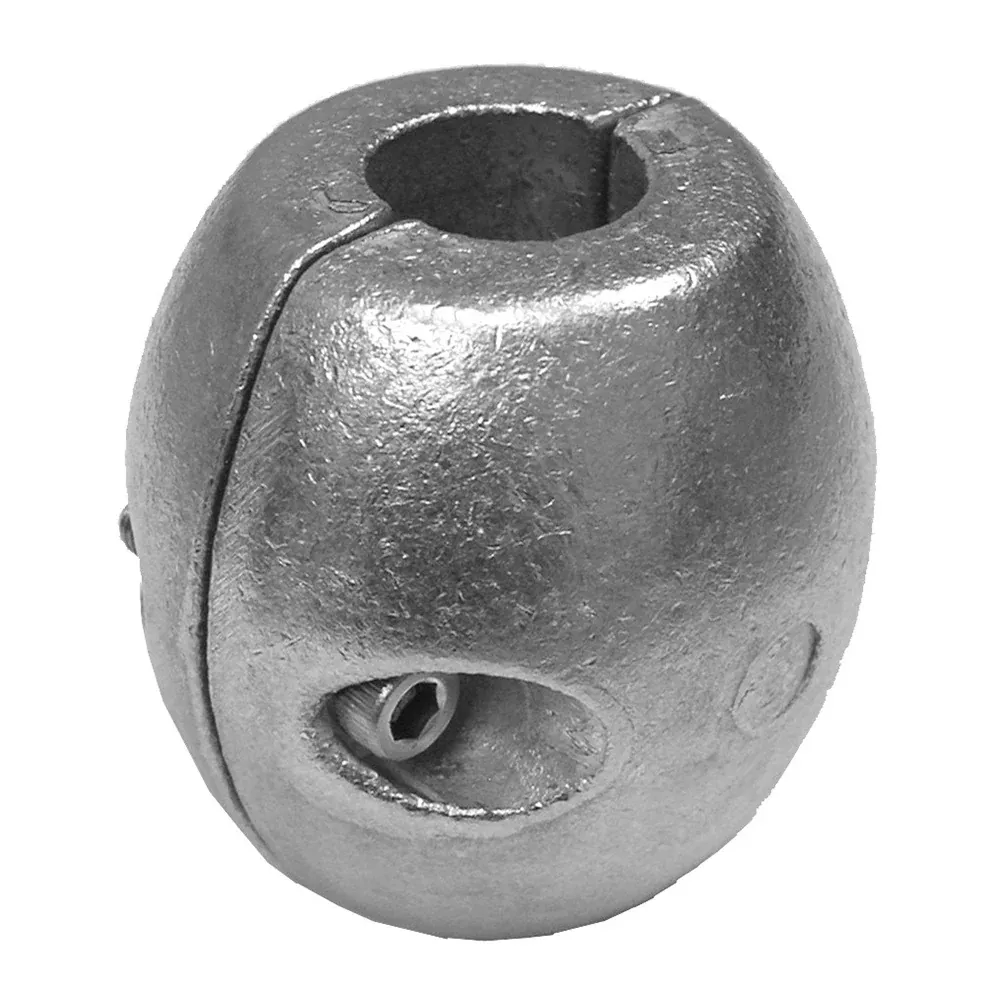
![Tecnoseal Aluminum Wedge Anode f/35-300 HP Mercury/Mariner Engines [00825AL]](https://www.bestmarinereplacementparts.com/wp-content/uploads/2026/09/tecnoseal-aluminum-wedge-anode-f-35-300-hp-mercury-mariner-engines-00825al.webp "tecnoseal-aluminum-wedge-anode-f-35-300-hp-mercury-mariner-engines-00825al")

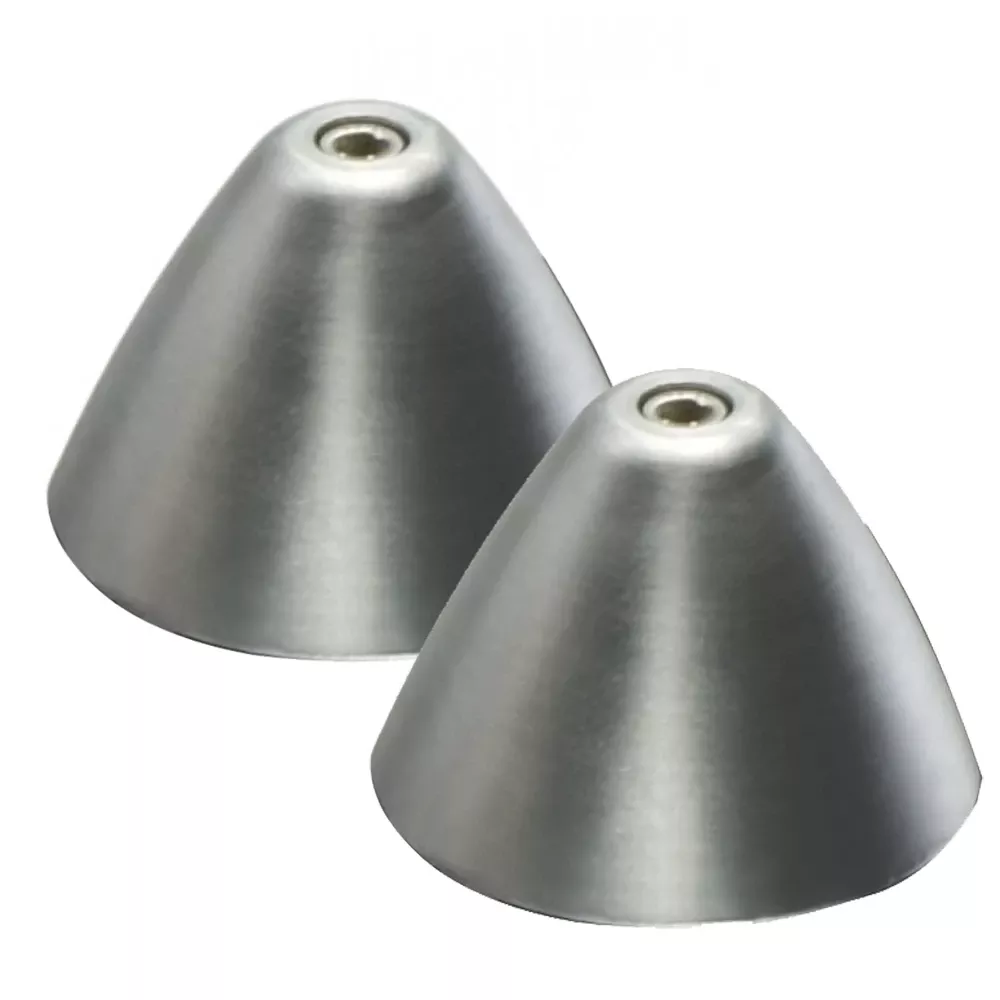
![Tecnoseal Standard Aluminum Trim Tab Anode f/25-50 HP Mercury Engines [00829AL]](https://www.bestmarinereplacementparts.com/wp-content/uploads/2026/09/tecnoseal-standard-aluminum-trim-tab-anode-f-25-50-hp-mercury-engines-00829al.webp "tecnoseal-standard-aluminum-trim-tab-anode-f-25-50-hp-mercury-engines-00829al")