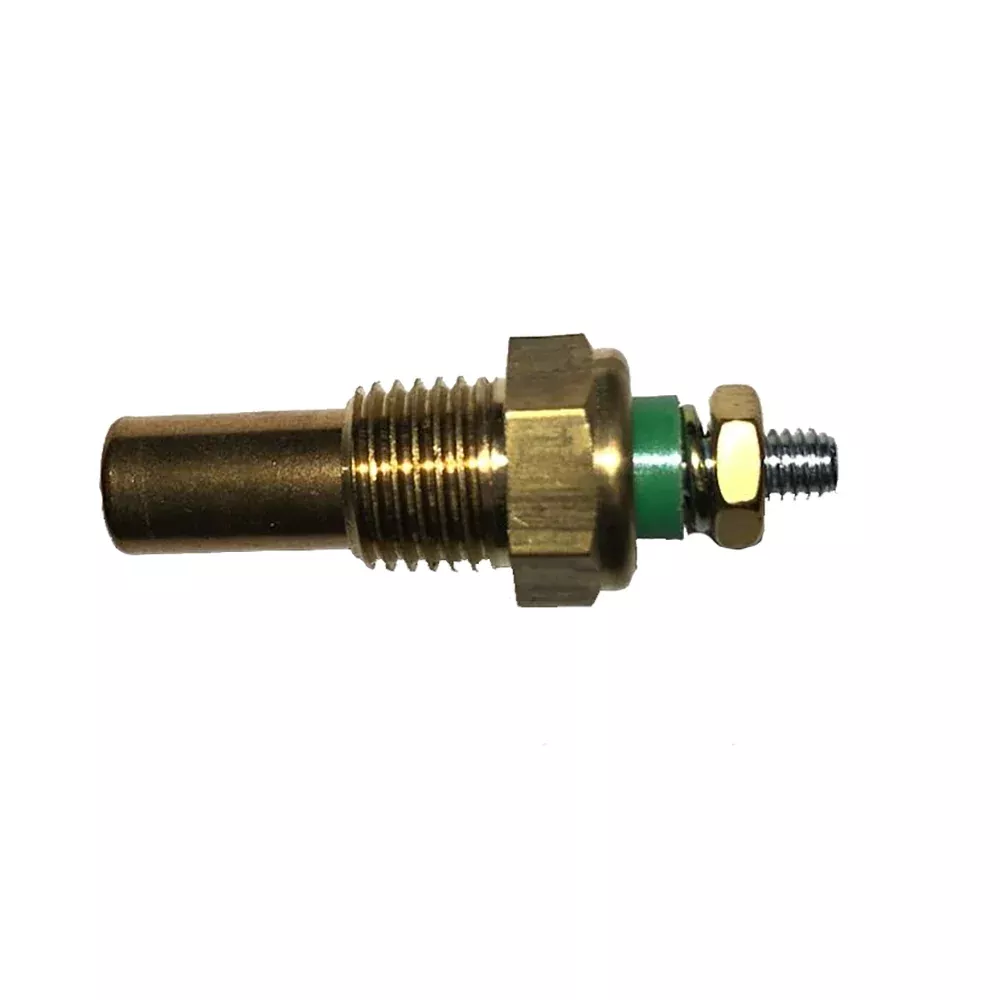
Keep your boat’s engine running at peak performance with this reliable temperature sender designed for critical heat management. Engineered to detect temperatures up to 240°F, it provides accurate readings to your dashboard gauge, helping you spot overheating issues before they escalate into costly repairs. The 3/8-18 thread ensures a secure fit in standard marine setups, making it a go-to replacement for boat owners who demand durability on the water.
Unlike generic sensors that falter under marine conditions—salt spray, vibration, and constant moisture—this unit stands up to harsh environments. It’s crafted from corrosion-resistant materials, ensuring long-term accuracy whether you’re cruising coastal waters or tackling rough offshore runs. Boaters trust it for its straightforward integration and consistent performance, reducing downtime and boosting peace of mind during every outing.
Key Features That Deliver Real Results
High-Temp Calibration: Precisely tuned for 240°F operation, ideal for outboard and sterndrive applications where engines run hot.
Standard Threading: 3/8-18 NPT compatibility slides into most common mounting points without adapters.
Robust Construction: Stainless steel body and sealed electronics resist corrosion from saltwater exposure.
Quick Response Time: Delivers real-time data to prevent engine damage from thermal runaway.
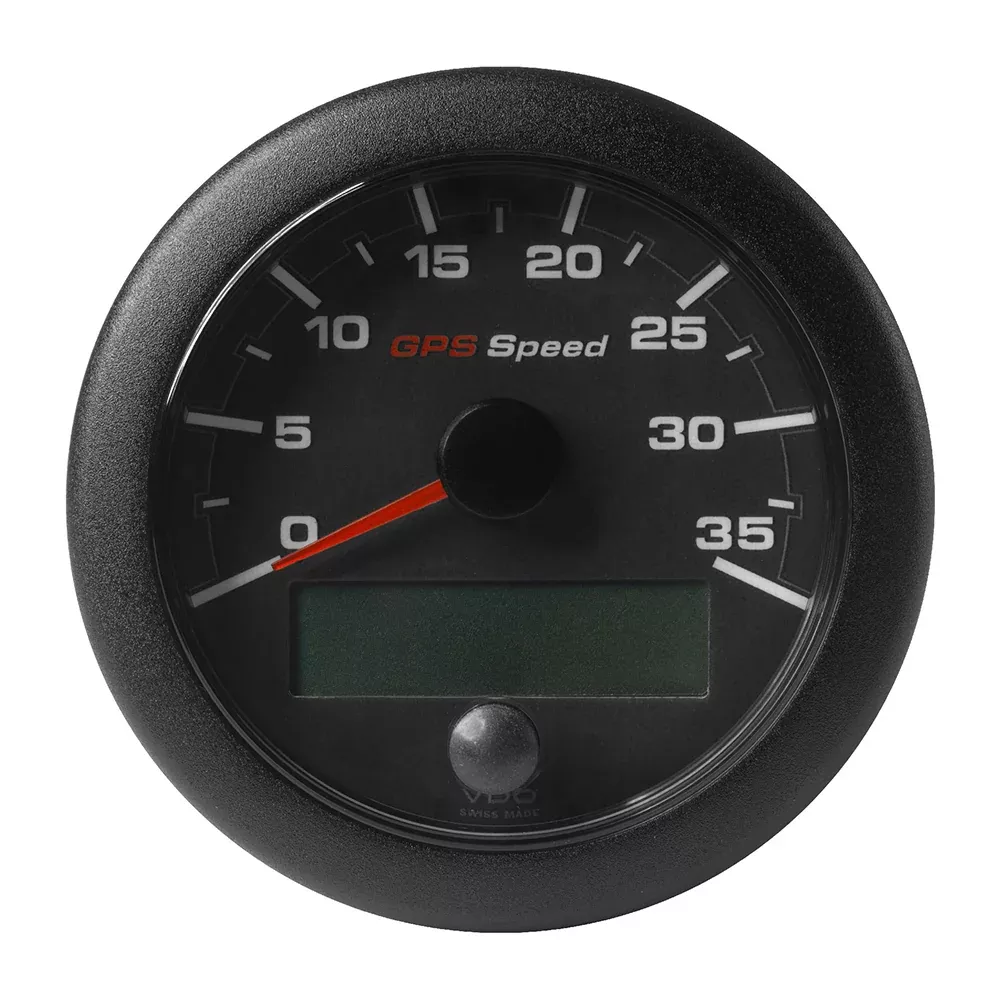
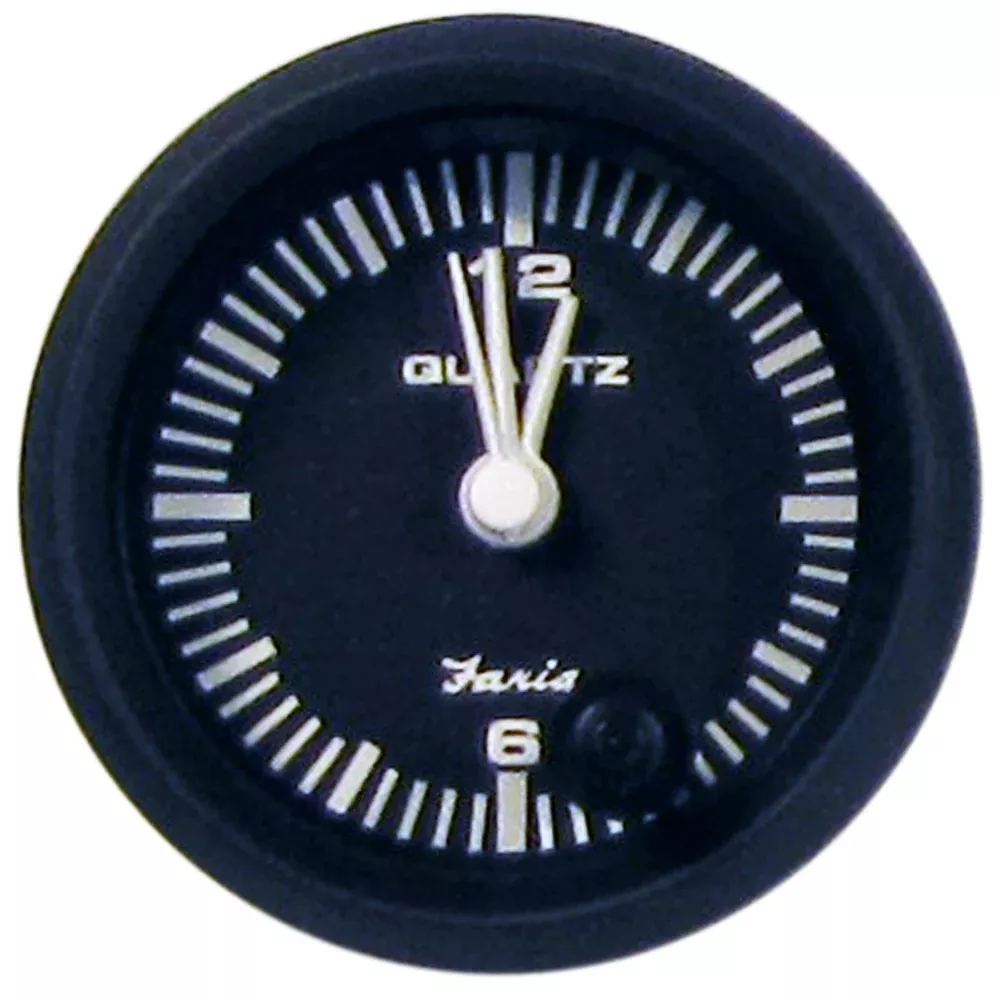
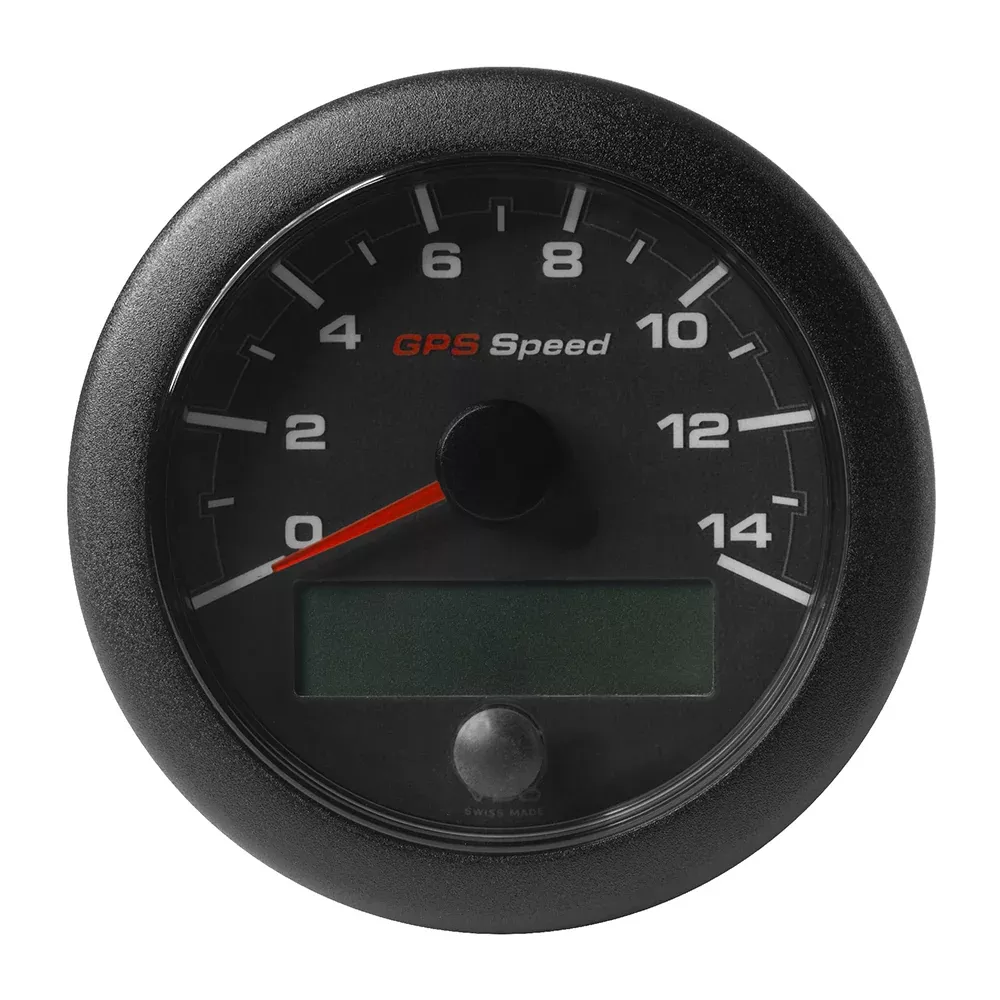
Reliability isn’t just a feature—it’s essential when you’re miles from shore. This sender outperforms bargain-bin alternatives by maintaining calibration through seasons of use, avoiding false readings that could strand you. It’s a smart upgrade for aging engines, restoring factory-like precision to your temp gauge and complementing other gauges for a complete instrumentation suite.
Imagine heading out for a full day of fishing or watersports, confident that your engine’s vitals are monitored without interruption. Users report fewer unexpected shutdowns and extended engine life, attributing it to the sender’s sensitivity to early warning signs like gradual temp climbs.
Step-by-Step Installation Guide
Swapping out a faulty temp sender is a weekend warrior project that takes under an hour. Here’s how to do it right:
Prep Work: Shut off the engine, let it cool completely, and disconnect the battery to avoid shorts.
Locate and Remove: Find the sender on the engine block or head (usually near the thermostat housing). Use a deep socket wrench to unscrew counterclockwise.
Prep New Unit: Wrap threads with PTFE tape (avoid overdoing it to prevent contamination). Hand-tighten first, then snug with a wrench—about 15-20 ft-lbs torque.
Reconnect Wires: Match polarity if marked, secure with heat-shrink connectors for marine-grade protection.
Test Run: Reconnect battery, start engine, and monitor gauge for normal readings. Check for leaks around the thread seal.
Pro Tip: Always use thread sealant rated for high temps to ensure a watertight seal against coolant intrusion.
Common Signs Your Temp Sender Needs Replacing
Don’t wait for the redline—watch for these red flags:
Gauge stuck at zero or max, regardless of engine temp.
Inaccurate readings that don’t match infrared thermometer checks.
Fluctuating needles during steady operation.
Visible corrosion or damaged wiring at the sender.
Engine alarms triggering without actual overheating.
Addressing these early prevents warped heads, blown gaskets, or seized pistons—repairs that dwarf the cost of a new sender.
Ongoing Maintenance for Peak Performance
To maximize lifespan, inspect annually: Clean terminals with electrical contact cleaner, check threads for sealant integrity, and test resistance with a multimeter (should vary smoothly from ~200 ohms cold to ~20 ohms hot). Pair with fresh coolant and a serviced thermostat for holistic engine health.
Frequently Asked Questions
What temperature range does this sender monitor?
It’s calibrated for accurate detection up to 240°F, perfect for marine engines operating in demanding conditions.