Unlock Seamless Connectivity Between Raymarine and NMEA 2000 Systems
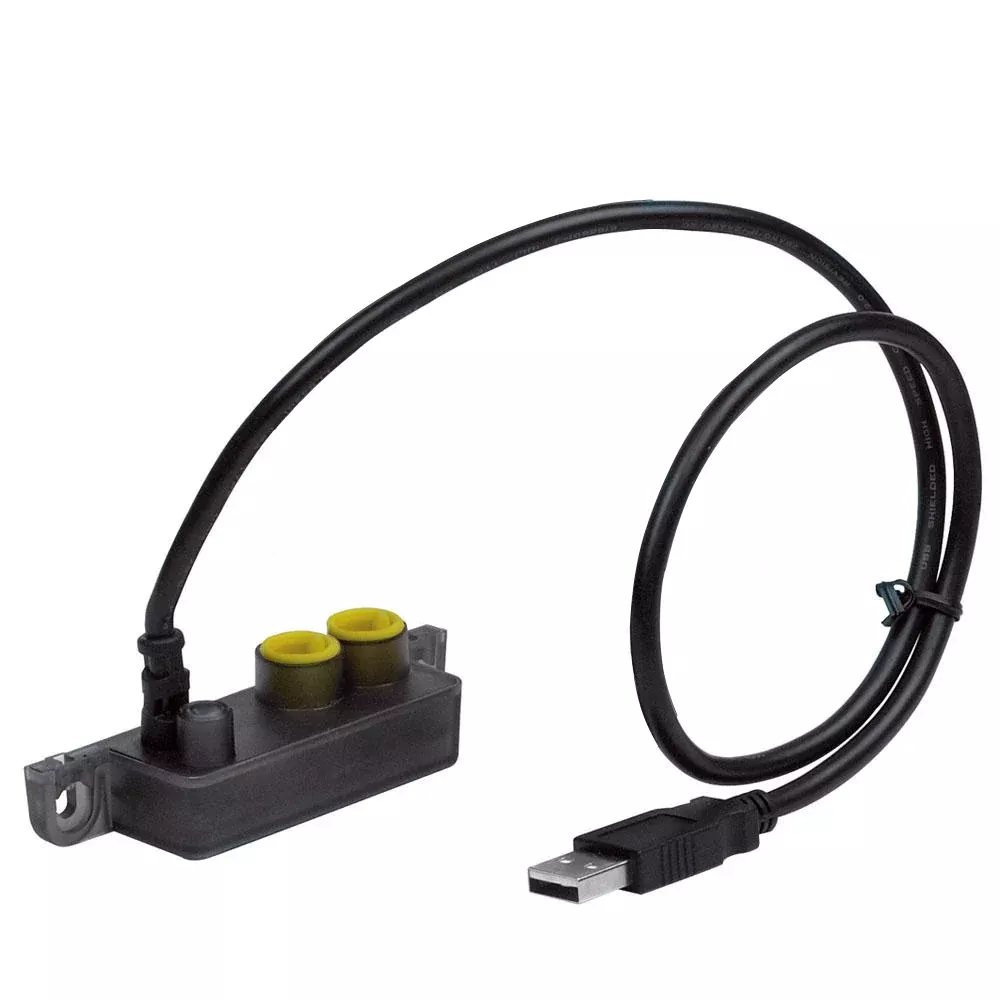
Imagine effortlessly linking your trusted Raymarine instruments to a wider array of third-party sensors and displays on your boat. This adapter bridges the gap between Raymarine’s SeaTalkng backbone and the ubiquitous DeviceNet connectors commonly found in NMEA 2000 ecosystems. By converting a SeaTalkng male spur to a DeviceNet female port, it simplifies network expansion without the hassle of custom cabling or complex configurations.
Boaters often face compatibility headaches when upgrading electronics or integrating gear from different brands. This compact adapter eliminates those frustrations, enabling data sharing for critical info like GPS position, wind speed, depth readings, and autopilot commands across your entire setup. Whether you’re outfitting a sailboat for offshore racing or retrofitting a fishing vessel with modern multifunction displays, it delivers reliable plug-and-play performance.
Key Advantages for Everyday Boaters
Rugged Marine Construction: Crafted to withstand saltwater corrosion, UV exposure, and vibration, ensuring long-term dependability in harsh conditions.
Instant Compatibility: No soldering or special tools required—just connect and go, saving hours of installation time.
Versatile Networking: Perfect for mixing Raymarine autopilots, multifunction displays, and instruments with NMEA 2000-compatible transducers, engines, or chartplotters from other makers.
Streamlined Data Flow: Supports bidirectional communication, so all devices stay synchronized for safer, more informed navigation.
Space-Saving Design: Its low-profile build tucks neatly into tight console spaces without cluttering your helm.
Perfect Compatibility Matches
This adapter shines in setups where Raymarine SeaTalkng spurs need to interface with DeviceNet-terminated NMEA 2000 drop cables or devices. It pairs seamlessly with popular Raymarine evolution autopilots, i-series or g-series chartplotters, and quantum radars. On the NMEA 2000 side, it works with a broad range of engines from brands like Yamaha or Volvo Penta, as well as sensors for water temp, fuel flow, and more.
Pro tip: Use it in backbone T-connector configurations to spur off additional devices without disrupting your main network spine. It’s also ideal for temporary setups during repairs or testing new gear.
Step-by-Step Installation Guide
Power down all connected electronics to avoid shorts.
Locate an available SeaTalkng male spur on your Raymarine backbone or device.
Plug the adapter’s SeaTalkng male end directly into the spur.
Connect your DeviceNet male-ended cable or device into the adapter’s female port.
Secure with cable ties for vibration resistance.
Power up and verify data transmission via your display’s network diagnostics.
Common pitfalls? Double-check polarity—SeaTalkng and DeviceNet share 12V power conventions, but mismatched terminators can cause bus errors. Always include proper 120-ohm terminators at network ends for optimal signal integrity.
Real-World Applications and Troubleshooting Tips
Sailors love it for expanding wind instrument networks during regattas, while powerboaters use it to monitor engine data alongside Raymarine plotter overlays. In one case, a charter captain integrated Lowrance forward sonar with Raymarine AIS for collision avoidance—smooth sailing from there.
If issues arise: Inspect for bent pins, ensure 12V supply stability, and use Raymarine’s LightHouse diagnostics to scan the bus. Dropped signals often trace to loose connections or exceeding the 50-meter backbone limit.
Frequently Asked Questions
What does the SeaTalkng male to DeviceNet female adapter do?
It converts a Raymarine SeaTalkng male connector to a DeviceNet female port, allowing direct connection of NMEA 2000 devices and cables to your SeaTalkng network for seamless data integration.
Is this adapter compatible with all NMEA 2000 devices?
Yes, it supports standard NMEA 2000 protocols via DeviceNet connectors, making it compatible with most third-party sensors, displays, and ECUs that use 12V micro-C style cabling.
Do I need additional power supplies with this adapter?
No, it draws power from the SeaTalkng backbone, which mirrors NMEA 2000’s 12V requirements, simplifying your setup.
Can it handle high->
Absolutely—it supports full NMEA 2000 bandwidth for PGNs including position, attitude, and environmental data, ensuring smooth performance with radars and multifunction displays.
How many devices can I connect using this adapter?
It enables one spur connection, but you can daisy-chain up to eight drops per backbone segment, respecting total node limits for reliable operation.
Is the adapter waterproof for deck mounting?
Yes, its IPX6-rated seals protect against spray and submersion, but for best longevity, mount it in a dry console area away from constant wave action.
What if my network shows errors after installation?
Check terminators at both backbone ends, verify cable lengths under 6 meters for spurs, and reseat connections. Raymarine diagnostics tools can pinpoint bus faults quickly.