Enhance Your Boating Safety with Precision Depth Monitoring
Navigating unfamiliar waters demands reliable tools that keep you informed without distraction. The Raymarine i50 Depth Display System stands out by delivering clear, instant readouts of water depth beneath your hull, complete with customizable alarms for shallow areas, anchor zones, and deep water. Whether you’re cruising coastal inlets, anchoring in secluded bays, or exploring rocky seabeds, this instrument helps you avoid groundings and make confident decisions on the water.
Boaters appreciate its straightforward design that prioritizes visibility. Picture scanning the helm at dusk: oversized numbers glow under red backlighting, cutting through glare and low light. It’s not just about numbers—track depth trends to anticipate changes, log maximum and minimum depths for trip insights, and set audible alerts that grab attention even in rough conditions.
Standout Features for Everyday Marine Adventures
Superior Visibility: High-contrast LCD screen with extra-large digits ensures readability from wide angles, day or night.
Smart Alarms: Audible and visual warnings for shallow water, deep water, and anchor positions keep your vessel protected.
Versatile Networking: Seamlessly connects via SeaTalk, SeaTalkng, or NMEA2000, allowing it to serve as a primary display with its own transducer or a repeater pulling data from networked sources.
Rugged Build: IPX6 waterproof rating withstands heavy spray, rain, and splashes, built tough for powerboats, sailboats, yachts, and RIBs.
Compact and Efficient: Slim profile fits tight helm spaces, sips power at under 1W in repeater mode, ideal for battery-conscious setups.
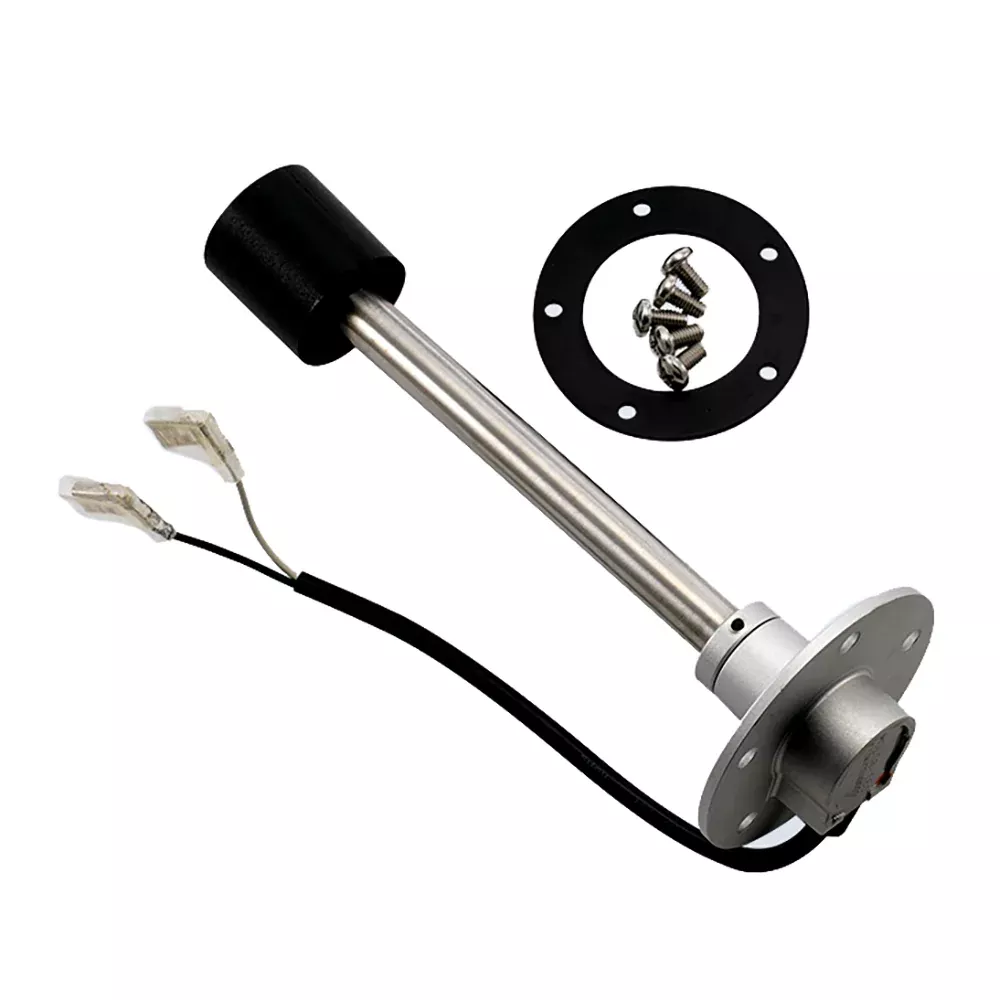
Thru-Hull Transducer Included: Nylon construction mounts cleanly below the waterline for accurate, real-time depth readings up close to the keel.
These elements combine to create an instrument that’s as intuitive as it is powerful, freeing you to focus on the joy of boating rather than constant monitoring.
Seamless Integration into Your Vessel’s Navigation Setup
Upgrade your helm without a full overhaul. The i50 Depth pairs effortlessly with Raymarine autopilots, multifunction displays, and other instruments. Use group dimming to sync brightness across devices, or configure multiple i50 units for redundant displays at different stations. Its transducer interface supports direct connections, while SeaTalkng backbone simplifies wiring for modern networks—perfect for boats transitioning from legacy systems.
Installation favors simplicity: opt for surface mounting with the included kit or add a trunnion bracket for swivel adjustments. Position the thru-hull transducer forward near the keel for optimal beam coverage, ensuring minimal air entrainment in choppy seas. Calibrate once for keel offset and depth units (feet, meters, or fathoms), and you’re ready to sail.
Pro tip: In tidal areas, leverage min/max logging to reference charts accurately, turning raw data into actionable navigation intelligence.
Technical Specifications at a Glance
Attribute
Details
Display Size
3.6 Inch LCD
Dimensions (W x D x H)
4.22 x 1.7 x 4.52 Inches
Control Interface
Simple Keypad
Waterproof Rating
IPX6
Power Consumption
<1W (display), up to 200mA with transducer
Operating Temperature
-20°C to +55°C
Network Compatibility
SeaTalk, SeaTalkng, NMEA2000
Why Boaters Trust the i50 Depth for Long-Term Reliability
Beyond specs, real-world performance defines value. Anglers use it to hover over prime fishing spots without drifting into shallows. Sailors rely on trend graphs during heeling to predict leeward risks. Its low power draw suits extended offshore trips, and the 110mm x 115mm footprint matches older ST60+ cutouts for hassle-free swaps.
Maintenance is minimal—rinse with freshwater after saltwater exposure, inspect transducer for marine growth seasonally. With proven durability in harsh environments, it delivers peace of mind season after season.
Frequently Asked Questions
What types of alarms does the Raymarine i50 Depth Display offer?
It provides audible and visual alarms for shallow water, deep water, and anchor positions, helping prevent accidents and secure anchoring.