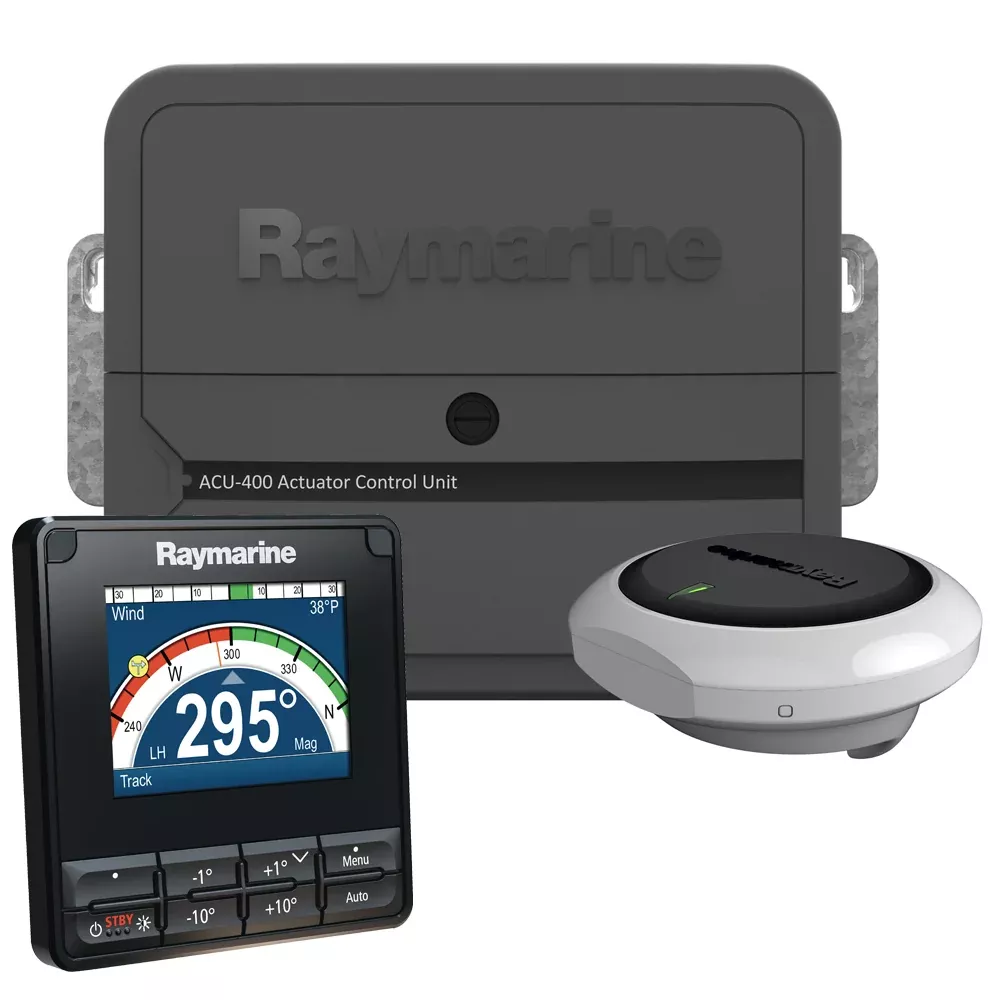
The Raymarine EV-400 Sail Evolution Autopilot Core Pack (part T70161) is the heavy-duty Evolution autopilot bundle for large sailboats with mechanical steering systems. Includes the p70s color pushbutton autopilot controller, the EV-1 sensor core with 9-axis aerospace-derived heading sensor, the ACU-400 actuator control unit (30 amp output for Type 3 mechanical drives or ZF Sail Pod drives), rotary rudder feedback transducer, and the SeaTalkNG cabling kit that ties everything together. Drive unit sold separately – the EV-400 pack accepts Type 2 or Type 3 mechanical linear, rotary, or hydraulic linear drive units. Evolution AI auto-calibrates so no manual setup is required.
The Raymarine EV-400 Sail Evolution Autopilot Core Pack (part T70161) is the heavy-duty autopilot system for large sailboats with mechanical steering systems. The pack delivers everything except the drive unit: the p70s color pushbutton autopilot controller for the helm, the EV-1 sensor core with the 9-axis Evolution heading sensor, the ACU-400 actuator control unit with 30-amp drive output for Type 3 mechanical drives or ZF Sail Pod drive systems, the rotary rudder feedback transducer that tells the autopilot the rudder’s actual position, and the SeaTalkNG cabling kit. Combined with your choice of Type 2 or Type 3 mechanical linear, rotary, or hydraulic linear drive unit (sold separately), the EV-400 builds out the complete autopilot for sailboats up to roughly 70+ feet.
What Evolution AI brings to autopilot. Older recreational autopilots required significant manual calibration and tuning to perform well on a specific boat: dock-side compass calibration, sea-trial dockwalk for rudder gain tuning, periodic re-calibration as the boat’s load distribution or sail trim changed conditions. The Evolution Ai system in the EV-400 eliminates the calibration step. The 9-axis aerospace-derived sensor core measures pitch, roll, yaw, acceleration, and magnetic field on three axes each, fuses the data continuously, and adapts to the boat’s actual handling characteristics in real-time. Net result: the autopilot performs well immediately on first commissioning, and it’ll keep adapting as conditions change (different points of sail, different wind angles, different sea states, different sail trim, different boat load distribution).
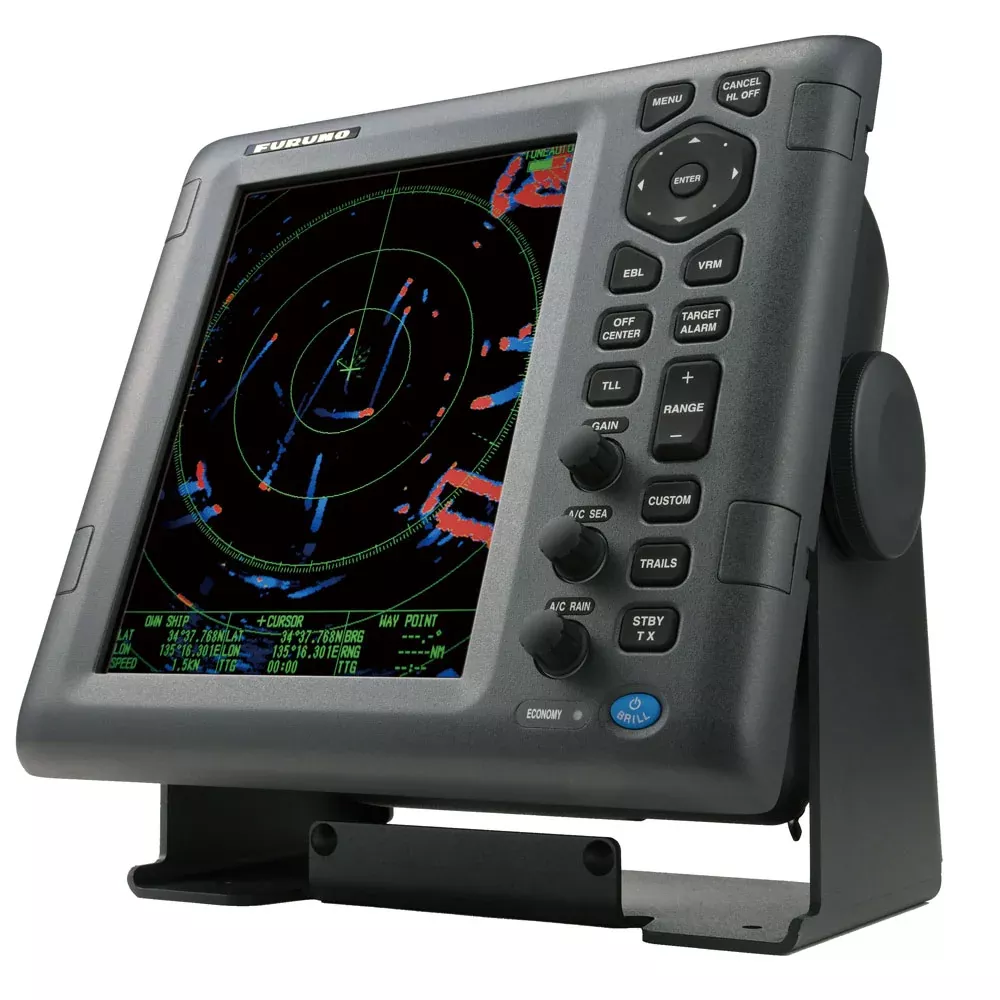
p70s color pushbutton controller at the helm. The p70s is the Sail-specific Evolution autopilot controller (the p70s ‘S’ = Sail). 11.2 inch wide x 8.3 inch high x 2.5 inch deep. Color display with sailing-specific overlays (wind angle, layline data, polar performance) plus the standard autopilot data (heading, course over ground, rudder position, mode select). Pushbutton operation – the buttons stay usable in rough water with wet hands and gloves, where touchscreens get washed out. Mounts at the cockpit helm or in the cabin for command control. Multiple p70 controllers can connect to the same Evolution system for multi-station control on larger sailboats.
EV-1 sensor core. The EV-1 is the heart of Evolution: a small black-box sensor unit that contains the 9-axis Attitude and Heading Reference System (AHRS). Mount it anywhere on the boat (any orientation) – the unit auto-calibrates to its install orientation. Connect to the SeaTalkNG backbone with the included cabling. The EV-1 produces the heading and attitude data that the rest of the system uses to drive the rudder.
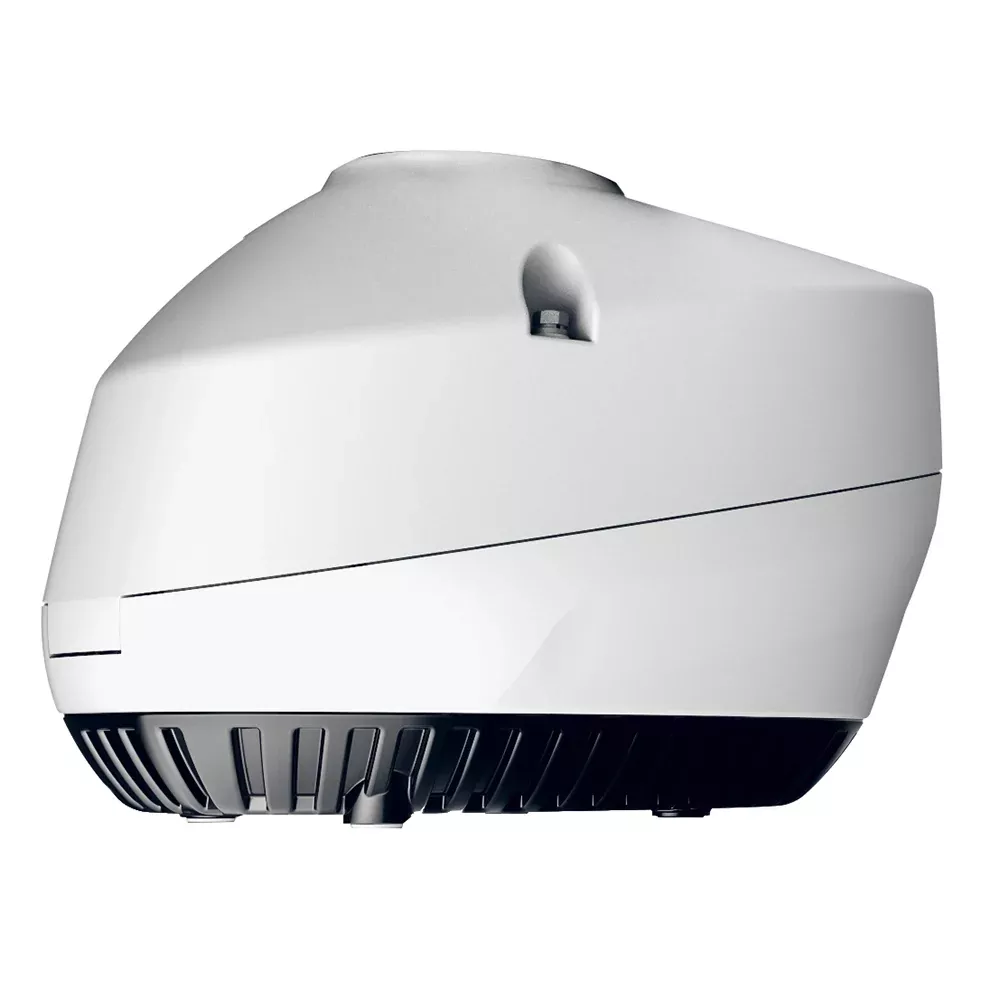
ACU-400 actuator control unit (30 amp output). The ACU-400 is the heavy-duty actuator control unit in the Evolution line, with 30 amp continuous drive output. That’s the output rating that handles Type 3 mechanical drives (the larger drive class for sailboats over about 50 feet) and ZF Sail Pod drive systems. For boats with smaller Type 1 or Type 2 drives, the smaller ACU-100 or ACU-200 is the right choice (in the EV-100 or EV-200 packs). The 30A output is what makes the EV-400 the right pack for the larger sailboat market.
Rotary rudder feedback transducer. The rudder feedback transducer connects mechanically to the boat’s rudder linkage and electrically to the ACU-400. It tells the autopilot the rudder’s actual physical position in real-time. The rotary feedback design is the standard for sailboat autopilot installations – more reliable and more accurate than alternative linear feedback designs over the rudder’s typical 70-degree (35 each side) travel range.
SeaTalkNG networking. SeaTalkNG is Raymarine’s evolution of the SeaTalk instrument network protocol, fully compatible with the broader NMEA 2000 standard. The Evolution autopilot components communicate over SeaTalkNG, which also lets the autopilot exchange data with other Raymarine instruments and chartplotters on the same backbone. Connect the chartplotter, you’ll get chartplotter-driven autopilot navigation (the chartplotter sends route and waypoint commands, the autopilot executes them). Connect the wind instrument, you get wind-aware autopilot modes (sail in apparent wind angle, automatic tack, etc.). Connect the speed log and depth, you get integrated boat-speed-and-depth-aware autopilot performance.
No calibration required. Compared to older autopilot generations that required dockside compass swinging, sea-trial gain tuning, and periodic recalibration, the Evolution system is genuinely no-calibration: install the components, power up, drive normally, and you don’t need to calibrate – the system auto-adapts against the boat’s actual handling within the first few hours of use. For sailboats with significant variations in trim and load, the auto-calibration also adapts continuously – so the autopilot works well across the full range of conditions you sail in.
Drive unit selection. The EV-400 pack does NOT include the drive unit (the actual mechanical or hydraulic actuator that physically moves the rudder). You choose a Type 2 or Type 3 mechanical linear, rotary, or hydraulic linear drive separately based on your boat’s steering system: mechanical linear for boats with mechanical-cable steering (most production sailboats), rotary for boats with cable-and-quadrant steering, hydraulic linear for boats with hydraulic steering systems. The Raymarine Type 2 / Type 3 drive line covers the typical 35-70 foot sailboat range.
What’s in the box. p70s color pushbutton autopilot controller. EV-1 sensor core (with 9-axis AHRS). ACU-400 actuator control unit (30 amp drive output). Rotary rudder feedback transducer. SeaTalkNG cabling kit (the network cables and connectors that wire the components together). Install instructions. Required separately: Type 2 or Type 3 drive unit, NMEA 2000 / SeaTalkNG backbone if not already on the boat, optional remote keypads for second-station control.
Sailing-specific autopilot modes. The Evolution autopilot supports several sailing-specific modes beyond the basic heading-hold: Wind Vane mode (autopilot maintains a target apparent or true wind angle, which is what sailboats actually want vs. compass heading when sailing close-hauled or downwind), AutoTack (automatic tack on command – autopilot steers through the wind to the new tack heading), Pattern Steering (search patterns for fishing offshore), and the standard heading-hold mode for motoring or running with the wind. Combined with the SeaTalkNG-connected wind instrument, the sailing modes give the autopilot real sailing capability rather than just powerboat heading-hold.
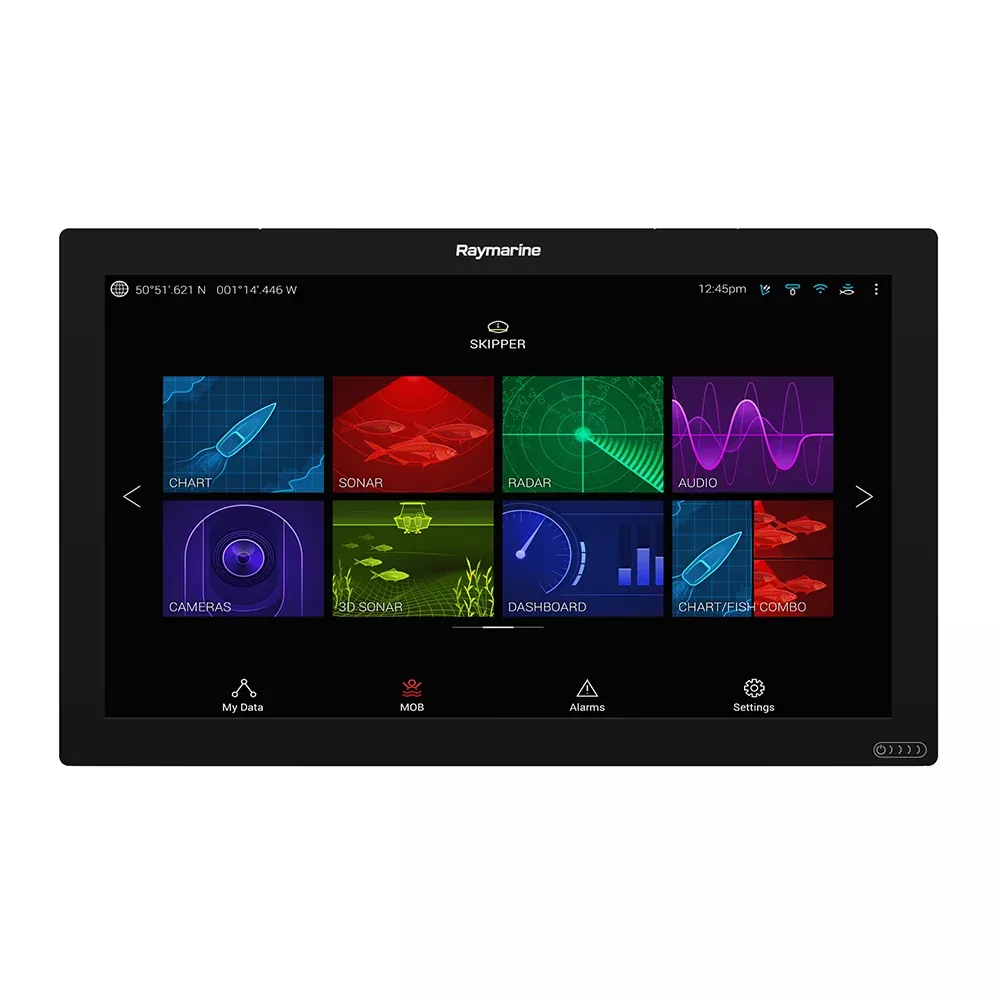
Compatible with Raymarine chartplotters. Connect a Raymarine Axiom or eS-Series chartplotter to the SeaTalkNG backbone and the chartplotter drives the autopilot for full chartplotter-controlled navigation. Set a route on the chart, the autopilot follows it. Drop a waypoint, the autopilot navigates there. The integration is seamless – same Raymarine ecosystem.
2-year limited Raymarine warranty. Same-day shipping before 3 PM ET on in-stock units. Note: oversize packaging may incur freight surcharges from carriers on certain routes.