Unlock Crystal-Clear Underwater Insights for Serious Anglers
Imagine pinpointing the exact hideout of trophy fish amid submerged timber or rocky ledges, all from your boat’s helm. The Raymarine Element 9 HV Combo transforms this vision into reality, blending advanced sonar imaging with intuitive GPS navigation tailored for those who live to outsmart the depths. Whether you’re chasing bass in shallow bays or walleye along drop-offs, this 9-inch powerhouse delivers actionable intelligence that keeps you ahead of the competition.
What sets it apart? HyperVision sonar at 1.2 MHz pushes the boundaries of resolution, rendering fish, structure, and bottom detail with stunning photo-like precision—far surpassing standard CHIRP systems. Paired with the HV-100 transom-mount transducer, it excels in both shallow-water detail work and deeper scans up to 600 feet, making it a versatile ally for diverse fishing scenarios from coastal inlets to large reservoirs.
HyperVision: Revolutionizing Side and Down Imaging
Traditional sonar often leaves you guessing between blurry echoes. HyperVision changes the game by combining high-frequency CHIRP with enhanced processing for three times the clarity of conventional imaging. Spot individual baitfish schools weaving through weed beds or discern subtle contour shifts that hold big game.
Super-High Resolution: 1.2 MHz frequency excels up to 100 feet, ideal for structure fishing.
Extended Range: 350 kHz SideVision and DownVision capture vivid images to 600 feet.
RealVision 3D Integration: Tilt, pan, and zoom through immersive 3D views to reveal hidden hotspots without guesswork.
Anglers report marking fish holding tight to brush piles they’ve overlooked for years, turning slow days into limits with ease.
Seamless Mapping and Charting for Confident Navigation
Stay oriented with preloaded Lighthouse North America charts covering coastlines, lakes, and inland waterways. But the real magic happens with RealBathy—generate your own HD bathymetric maps in real-time using sonar data. Overlay these personal contours on charts to reveal secret ledges or channels that evolve with seasons or water levels.
Compatible with Navionics and C-MAP enhancements, it supports community-updated SonarCharts Live for the freshest intel. Mark waypoints effortlessly with the oversized key, building a library of proven producers for repeat visits.
Effortless Control and Blazing Performance
No steep learning curves here. A responsive quad-core processor ensures buttery-smooth chart redraws, continuous 3D rendering, and lag-free operation even in rough conditions. Keypad controls feel instinctive, with programmable hotkeys for your go-to settings—like toggling sonar modes or adjusting gain on the fly.
The 9-inch sunlight-readable display shines through glare, keeping critical data visible from dawn patrols to dusk bites. It’s rugged too, built to withstand splashes, vibrations, and salt spray without missing a beat.
Expand Your Setup with Smart Networking
NMEA2000 compatibility opens doors to a connected ecosystem. Link to VHF radios for position sharing, monitor fuel tanks and engines, or add a heading sensor for precise autopilot steering. Integrate multiple units for a multi-station helm, scaling as your boat grows.
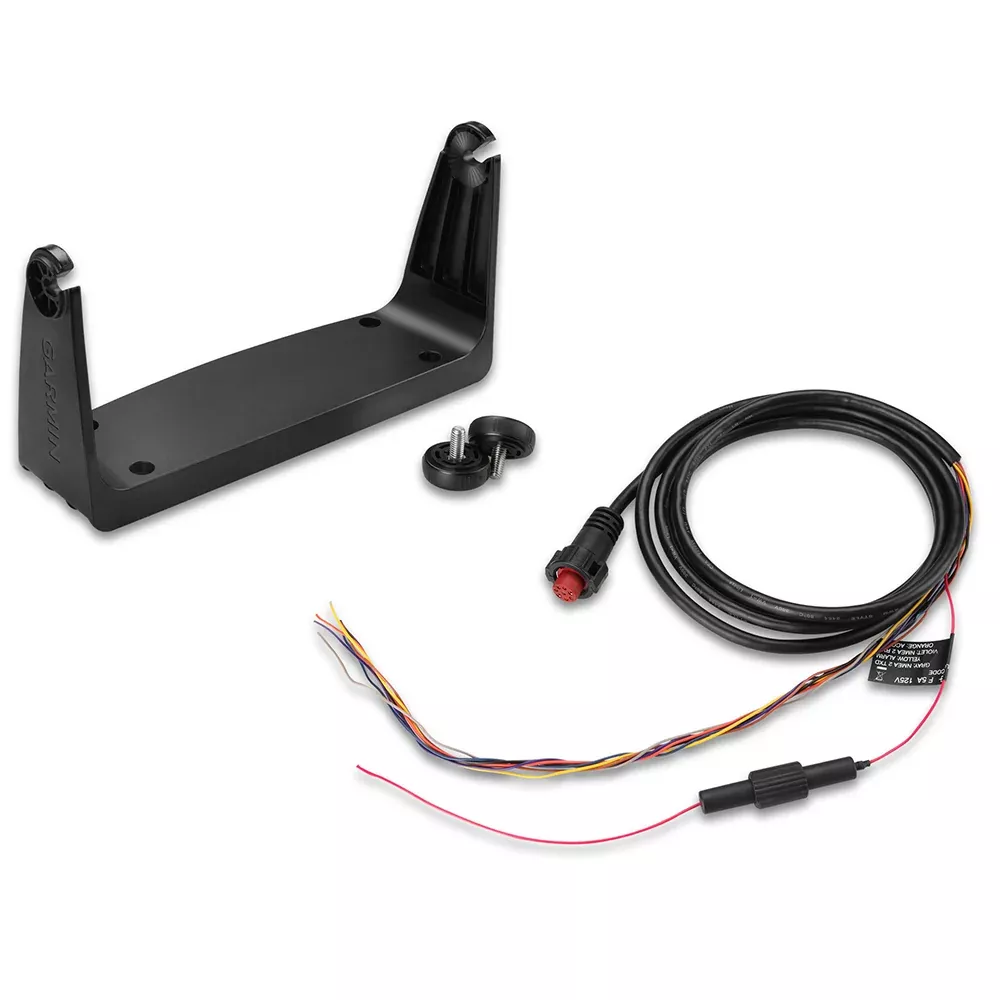
Pro tip: Pair with a quality power source and transducer cable routing to minimize noise interference, maximizing sonar sensitivity for cleaner returns.
Real-World Tips to Maximize Your Element 9 HV
Transducer Placement: Mount the HV-100 dead-center on the transom, ensuring a clean water flow. Test at speed to avoid air bubbles that muddy images.
Sonar Tuning: Start with auto-gain, then tweak sensitivity for your water clarity—lower in murk, higher in gin-clear shallows.
Fishing Strategies: Use HyperVision for structure scanning pre-sunrise, switch to RealVision 3D during active periods to track fish reactions to your baits.
Many users customize their own contour lines after a few trips, creating “honey hole” maps that outperform stock charts every time.
Frequently Asked Questions
What makes HyperVision sonar better than standard CHIRP?
HyperVision uses 1.2 MHz super-high frequencies for three times greater detail in side and down imaging, revealing fine structures and fish with photo-like clarity up close, while maintaining range for broader scans.