Unlock Crystal-Clear Side Scans for Serious Anglers
Imagine gliding across the water, spotting schools of fish hugging distant structure, bait balls dancing along drop-offs, and hidden contours revealing prime fishing spots—all without leaving your helm. The Raymarine CP200 CHIRP SideVision sonar module makes this a reality, transforming your boat’s electronics into a powerful tool for underwater exploration. Designed for those who demand precision and detail, this module sweeps both sides of your vessel with stunning clarity, helping you pinpoint targets that traditional sonar might miss.
Whether you’re chasing trophy walleye along rocky banks, scouting bass near submerged timber, or mapping reefs for offshore adventures, the CP200 elevates your fishing game. Its advanced CHIRP processing delivers photo-like images, often described as “Visionality,” letting you distinguish between fish, debris, and bottom features at a glance.
Why CHIRP SideVision Outshines Traditional Side Scan
Unlike conventional sonar that relies on single-frequency pulses, CHIRP technology transmits a continuous sweep of frequencies. This results in sharper resolution, reduced noise, and the ability to detect finer details over greater distances. With the CP200, expect reliable imaging up to 300 feet (extendable to 600 feet in optimal conditions) on each side, giving you bank-to-bank coverage that’s ideal for rivers, lakes, and coastal waters.
Exceptional Target Separation: Easily differentiate fish from weeds or rocks, even in cluttered environments.
Adjustable Coverage: Tailor the scan angle for shallow flats or deep channels, maximizing effectiveness in varied depths.
Real-Time Insights: Overlay SideVision with charts, radar, or forward scan for a complete situational awareness picture.
Anglers report finding structure and fish they never knew existed, often leading to more bites and bigger hauls. Pair it with a compatible transom-mount array like the CPT-200 for plug-and-play performance.
Seamless Integration into Your Raymarine Ecosystem
Networking has never been simpler. The CP200 connects effortlessly via RayNet to aSeries, cSeries, eSeries, and gS Series multifunction displays running LightHouse II software. View SideVision alongside DownVision, traditional CHIRP, or HD sonar simultaneously—no need to switch screens.
For the ultimate setup, combine with DownVision sonar modules or displays. This creates a 180-degree panoramic view: SideVision for lateral sweeps and DownVision for straight-down detail, uncovering everything from suspended pelagics to bottom-hugging bottom-feeders.
“It’s like having eyes on both sides of the boat—game-changer for tournament fishing.” – Experienced charter captain
Built Tough for Real-World Boating
Raymarine engineers the CP200 for marine environments, with waterproofing to IPX6 and IPX7 standards, ensuring it withstands heavy spray, rain, and submersion. Operating from near-freezing temps to sweltering heat, it’s ready for year-round use. Compact dimensions (8.9″ x 6.4″ x 2.8″) and lightweight build (1.32 lbs) make surface or below-deck mounting straightforward.
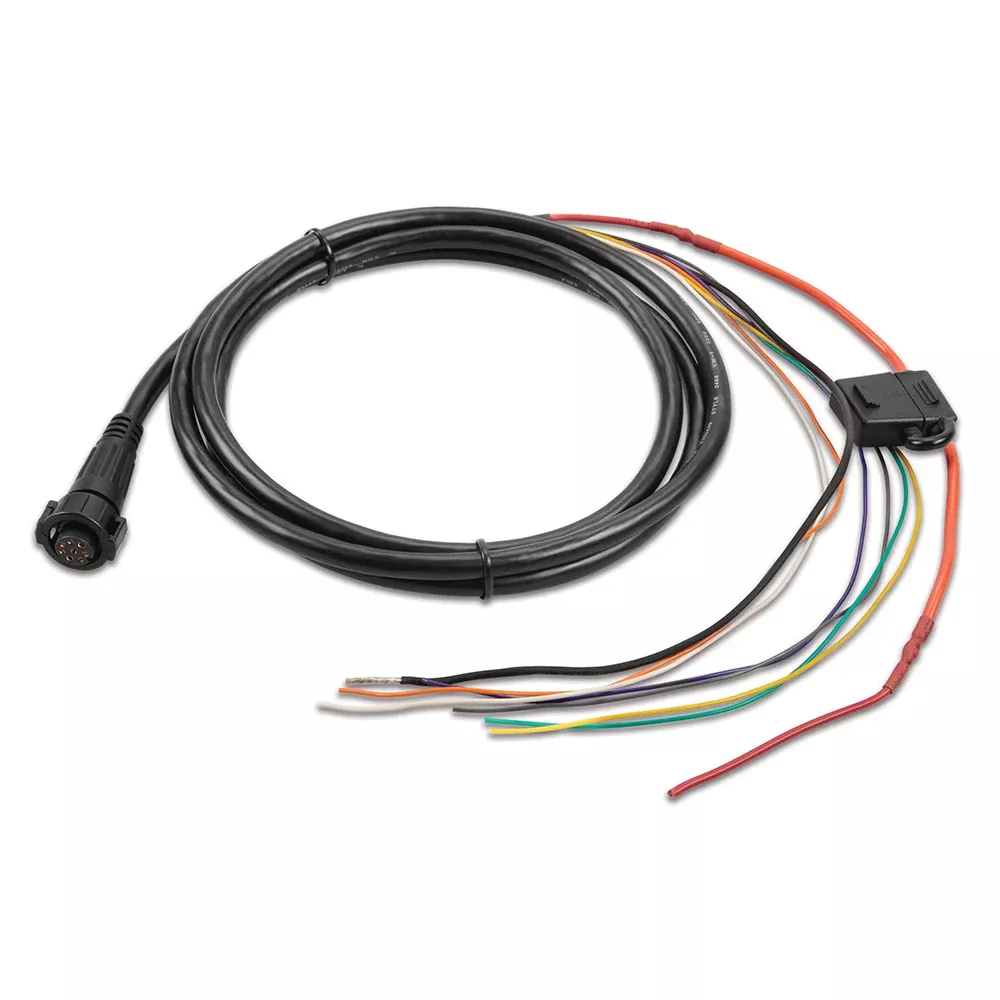
Power draw stays efficient at under 6W max, fitting neatly into 12V or 24V systems with a standard 5A fuse. Connections include dedicated power, transducer, and network ports for reliable, clutter-free wiring.
Technical Specifications at a Glance
General
Dimensions
8.9″ L x 6.4″ W x 2.8″ H
Weight
0.6 kg (1.32 lbs)
Connections
Power cable, 9-pin transducer, RayNet
CHIRP SideVision
Channels
2 (port/starboard)
Beam
Wide port/starboard, narrow fore/aft fan beams
Range
Up to 91m (300ft) typical
Power & Environmental
Voltage
10.8-31.2 V DC
Power Consumption
5.6W max
Waterproofing
IPX6/IPX7
What’s Included
Sonar module
Documentation pack
Mounting screws (x4)
1m power cable
Note: Transducer sold separately for custom installation flexibility.
Frequently Asked Questions
What makes CHIRP SideVision different from standard sonar?
CHIRP uses a broad frequency range for superior resolution and range, providing photo-realistic images of side structure and fish, far beyond single-frequency sonar’s capabilities.