The Newmar PT-24-45U is a 24V, 45-amp three-stage smart battery charger built for cruising sailboats, mid-size trawlers, and commercial boats with house banks in the 90 to 450 amp-hour range. Universal 90-264 VAC input, three isolated output banks, a gel/flooded/AGM battery type selector, stainless steel case, and a polyurethane-coated board for true marine duty.
The Newmar PT-24-45U is the 45-amp 24V Phase Three smart charger for boats with house banks in the 90 to 450 amp-hour range. Cruising sailboats with one 24V house bank, mid-size trawlers with a single bank plus a start, and commercial workboats that need bulletproof charging without buying an oversized unit. The Phase Three smart charging algorithm cycles through bulk, absorption, and float in the way batteries actually want to be charged, and the result is faster recovery from deep discharges and more usable cycles before you replace the bank.
What makes a Newmar charger a Newmar charger is what’s under the cover. The case is stainless steel, the internal circuit board is polyurethane-coated for corrosion resistance, and the design is ignition-protected per USCG CFR 183.410 so you can mount it in an engine room without a separate enclosure. We’ve seen these run for 10-plus years in commercial boats that get hosed down with salt every day and keep working. Cheaper chargers don’t.
The 45-amp output goes to three isolated banks. That means you can wire it to your house bank, your start bank, and a thruster or windlass bank, and the charger will distribute current intelligently across all three without one bank stealing from another. The total output is 45 amps, which is enough to recover a 450 amp-hour bank in roughly a day. For typical 90 to 250 amp-hour 24V house banks on cruising boats, you’re talking morning-on, full-by-afternoon recovery times.
The selector switch on the front lets you match the charger to your battery chemistry. Gel-cell sets bulk to 28.0V and float to 27.2V. Flooded lead-acid and AGM both run at 28.4V bulk and 26.8V float. Set it once when you commission the install and forget about it. If you swap battery types later, flip the switch.
For real-world charging accuracy in changing conditions, add the optional TCS-12/24 temperature sensor. It clips onto a battery post and feeds ambient temperature back to the charger, which adjusts output voltage automatically. Cold batteries want a slightly higher charge voltage to fully saturate. Warm batteries want a slightly lower one to prevent gassing. Without temp comp you’re tuned for 72 degrees Fahrenheit, period. With it you’re tuned for whatever the season is. On any boat that sees real seasonal swings, it’s worth the small add-on cost.
Universal AC input is the feature that makes this charger work on cruising boats that go places. 90 to 264 VAC, 50 or 60 Hz, with no jumper changes. Plug it into 120V dock power in Florida, then 240V dock power in the Bahamas or Mediterranean, and the charger just works. At 115V it pulls 12 amps at full load. At 230V it pulls 7 amps. Power factor is excellent, 0.98 at 115V and 0.95 at 230V, which means you’re not wasting capacity on reactive power and you stay friendly with shore power amperage limits.
The front panel gives you a total-output ammeter plus charge and float status LEDs and audible alarms for fault conditions. The optional RP remote panel mounts at the helm or in the salon so you can see what the charger is doing without going into the engine room. We recommend the remote panel on any boat where the charger lives below in a hard-to-reach space.
One nice operational feature: this charger doubles as a clean DC power supply. Disconnect the batteries and it’ll feed loads directly from the AC side without a battery in the loop. That’s useful for shop or yard work, bench testing inverters, or running 24V loads when the bank is out for service.
Equalize mode is included. For flooded lead-acid banks, an occasional equalization cycle balances individual cell voltages and breaks up sulfation. The Newmar makes it a manual user-initiated cycle so you don’t accidentally equalize an AGM or gel bank, which would damage them. Two years of parts and labor warranty is the standard on Phase Three chargers, and Newmar’s service network is responsive when you need them.
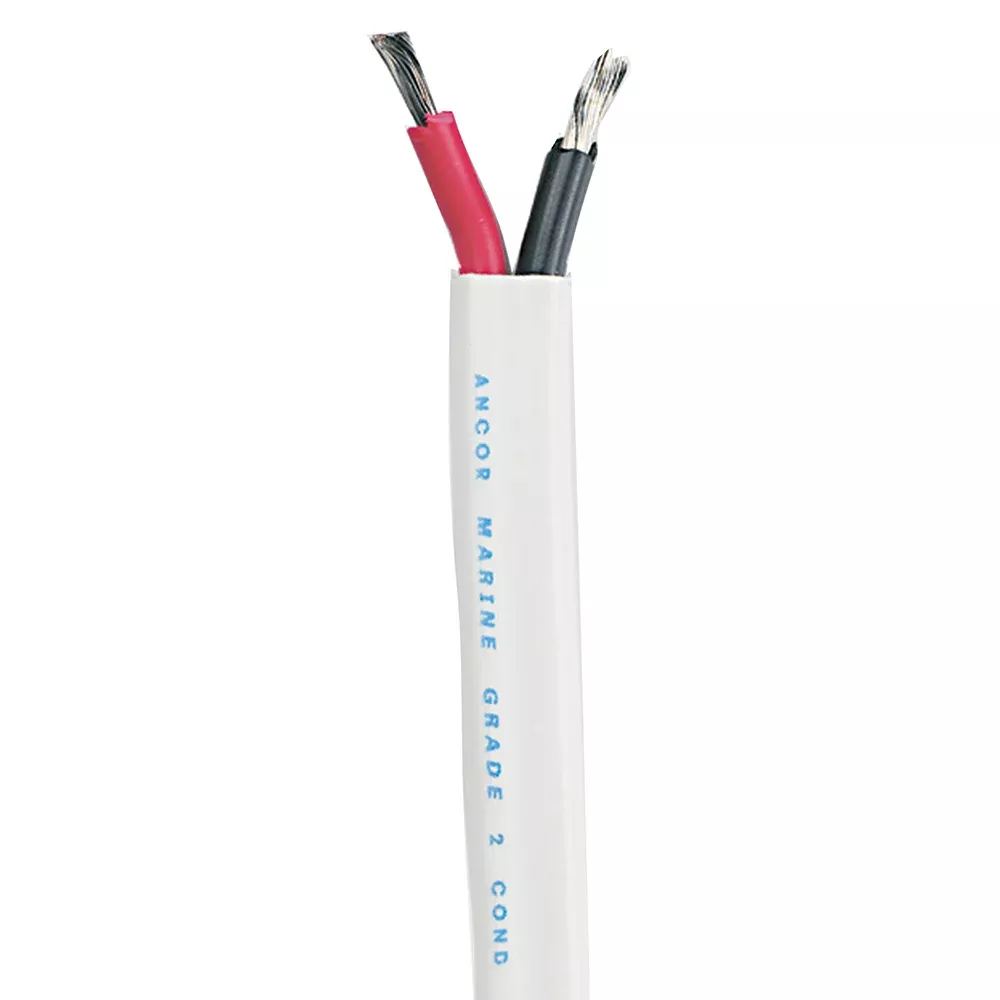
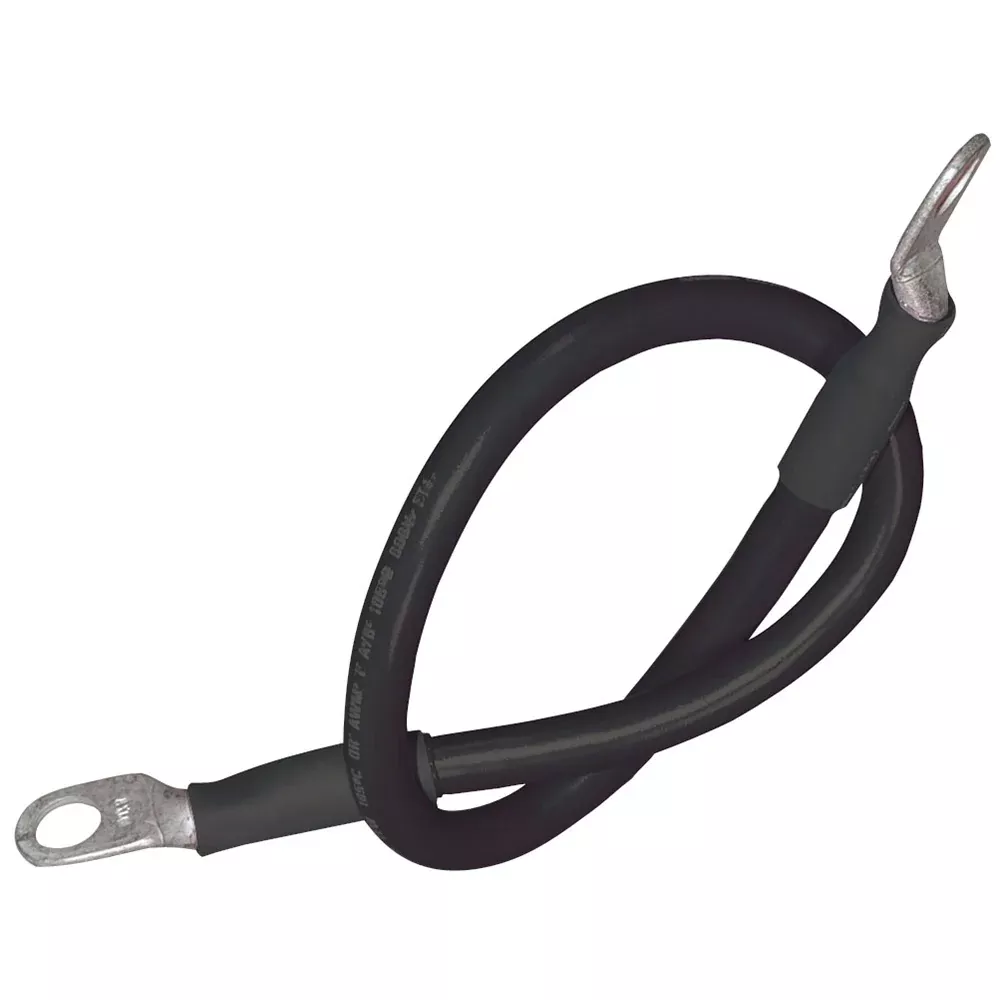
Install. Mount vertically in a ventilated area with at least 4 inches of clearance on each side. Engine rooms work, but the air around the charger needs to move. Use 14 to 16 AWG marine wire for the AC input run. For DC outputs at 45 amps full load, use 6 AWG marine cable to keep voltage drop within spec. Wire each output bank to its target battery directly with proper fusing on the positive lead. The internal circuit handles current sharing across the three banks automatically.
Case is the A-5 size, 14.8 inches high by 9.6 inches wide by 5.6 inches deep including the optional drip shield. Unit weight is roughly 12.2 pounds. The optional drip shield is worth the small add-on cost on a boat where rain or condensation could fall on the unit.
Compliance: EN 60335-1, EN 60335-2-29, CE marked, ignition protected per USCG CFR 183.410. The CE mark and EN compliance matter if you’re flagging or surveying the boat in Europe.
Two-year parts and labor warranty. Same-day shipping before 3 PM ET on in-stock units.