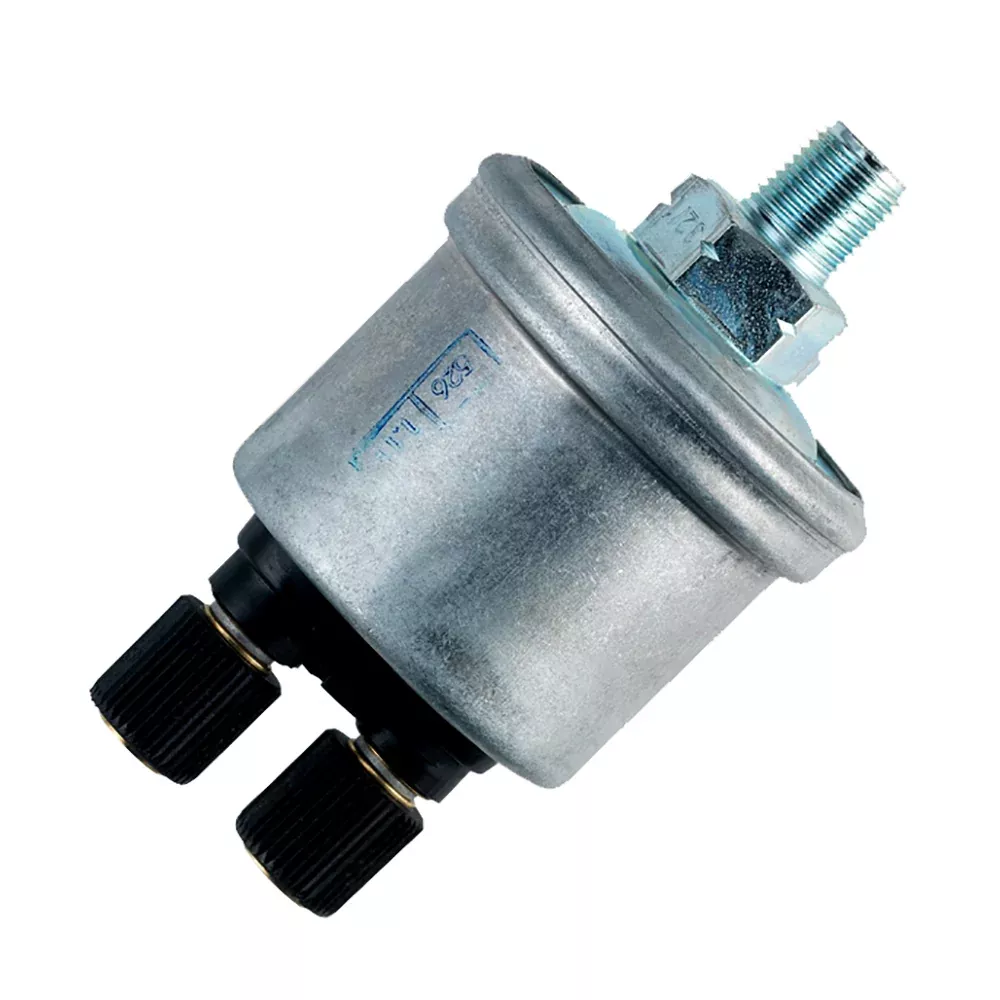
Unlock Crystal-Clear Underwater Insights with the SS75M Transducer
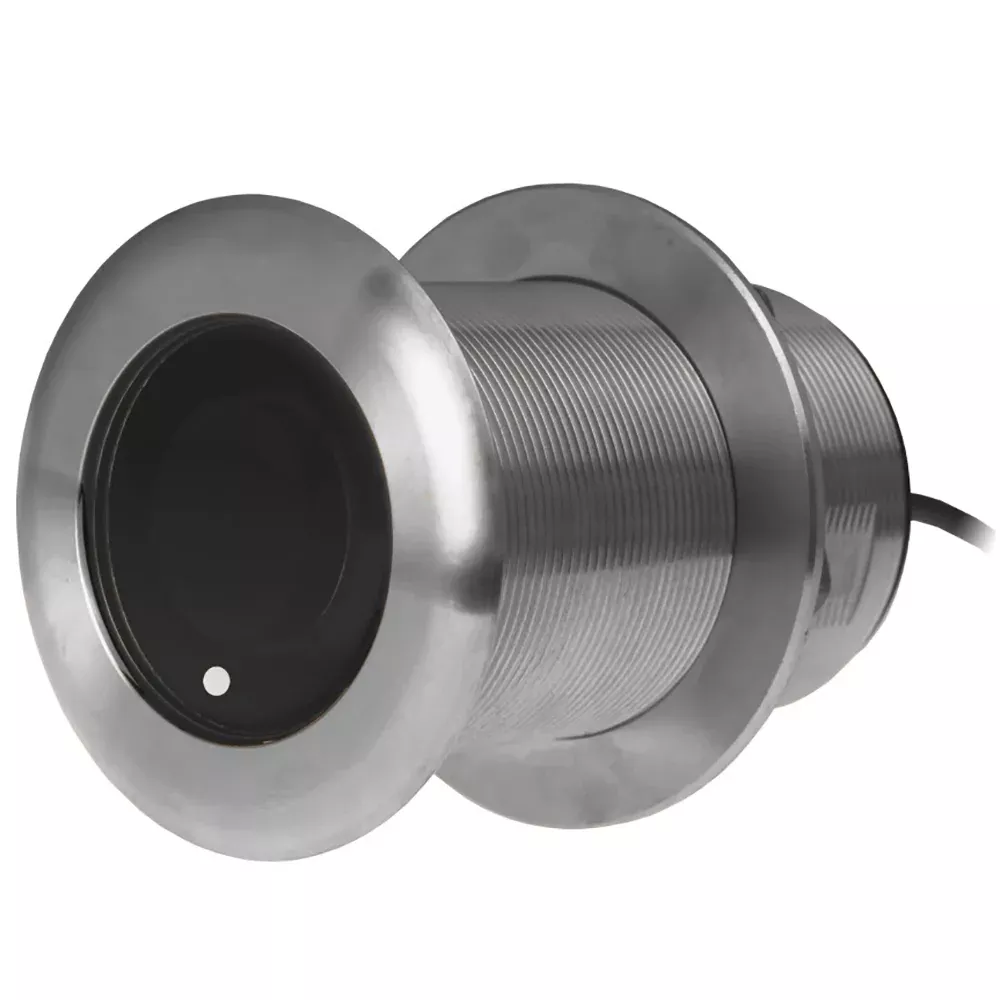
Imagine gliding through coastal waters, spotting schools of baitfish dancing around a hidden reef, or tracking structure down to 1000 feet with pinpoint accuracy. That’s the edge the Navico XSONIC SS75M delivers. This stainless steel thru-hull transducer isn’t just hardware—it’s your key to safer navigation, hotter bites, and deeper adventures. Built for medium CHIRP performance, it sweeps 80-130 kHz to reveal fine details in shallows while locking onto the bottom in deeper haunts.
What sets it apart? The 12-degree tilted ceramic element automatically compensates for your hull’s deadrise (perfect for 8-15 degree angles), ensuring echo returns hit straight-on for reliable readings. No guesswork, no adjustments needed. Anglers swear by its ability to separate fish from thermoclines or wreck debris, turning vague blips into actionable intel.
Why Medium CHIRP Changes the Game for Serious Boaters
Traditional fixed-frequency sonar? It’s like listening to a fuzzy radio. CHIRP technology pulses across a wide band—here, 80-130 kHz—for 5-10x sharper images. In skinny water near shorelines, you pick out individual stripers tailing crabs. Drop deeper offshore, and it maintains solid bottom lock past 1000 feet, ideal for tuna runs or wreck diving.
Superior Target ID: Distinguish game fish from bait clouds or rocks effortlessly.
Depth Precision: Avoid groundings with real-time water column data.
Temp Tracking: Built-in sensor flags bite windows as water layers shift.
Boaters report cleaner arches on fast trolls and fewer false positives around bait balls. It’s not hype—it’s physics delivering pro-level sonar on recreational rigs.
Sleek Design Meets Rugged Performance
The SS75M hugs your hull with a low-profile stainless steel housing—just 5mm proud of the gelcoat. Drag? Minimal. It’s forged for saltwater punishment, shrugging off barnacles and corrosion that plague lesser units.
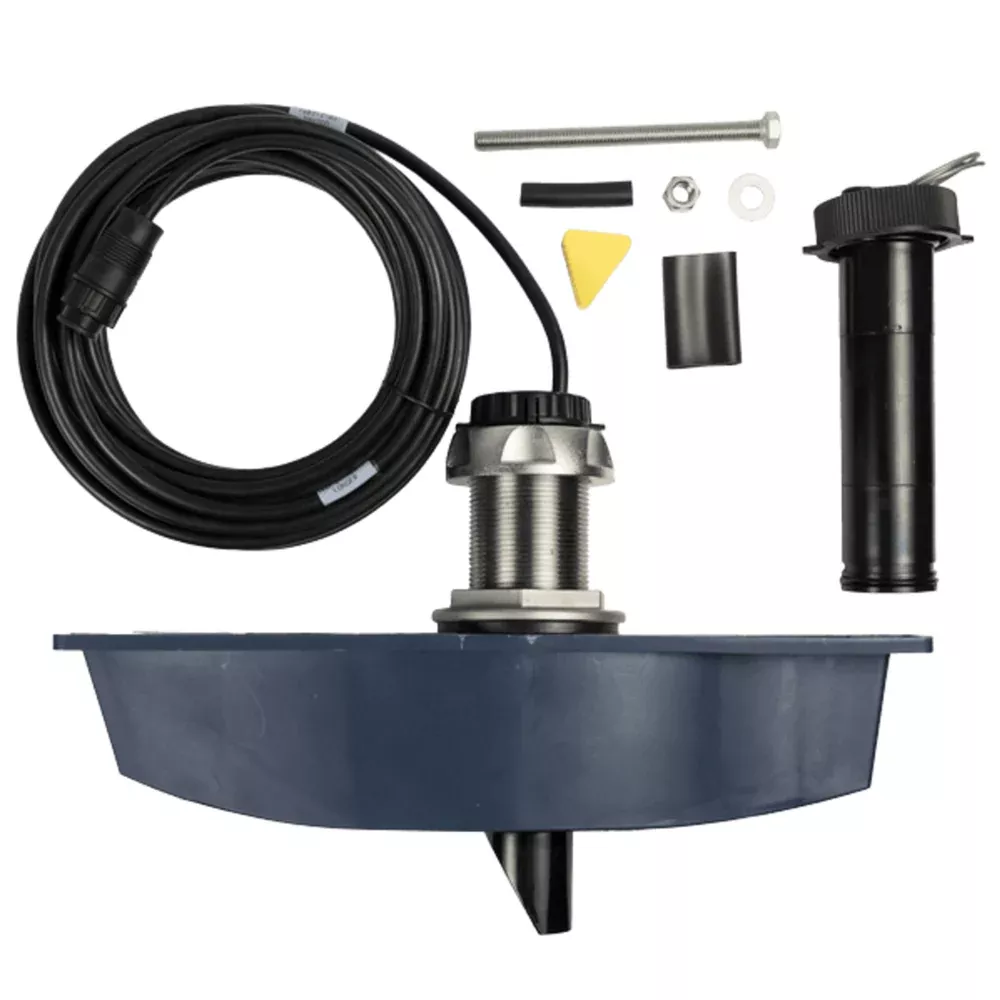
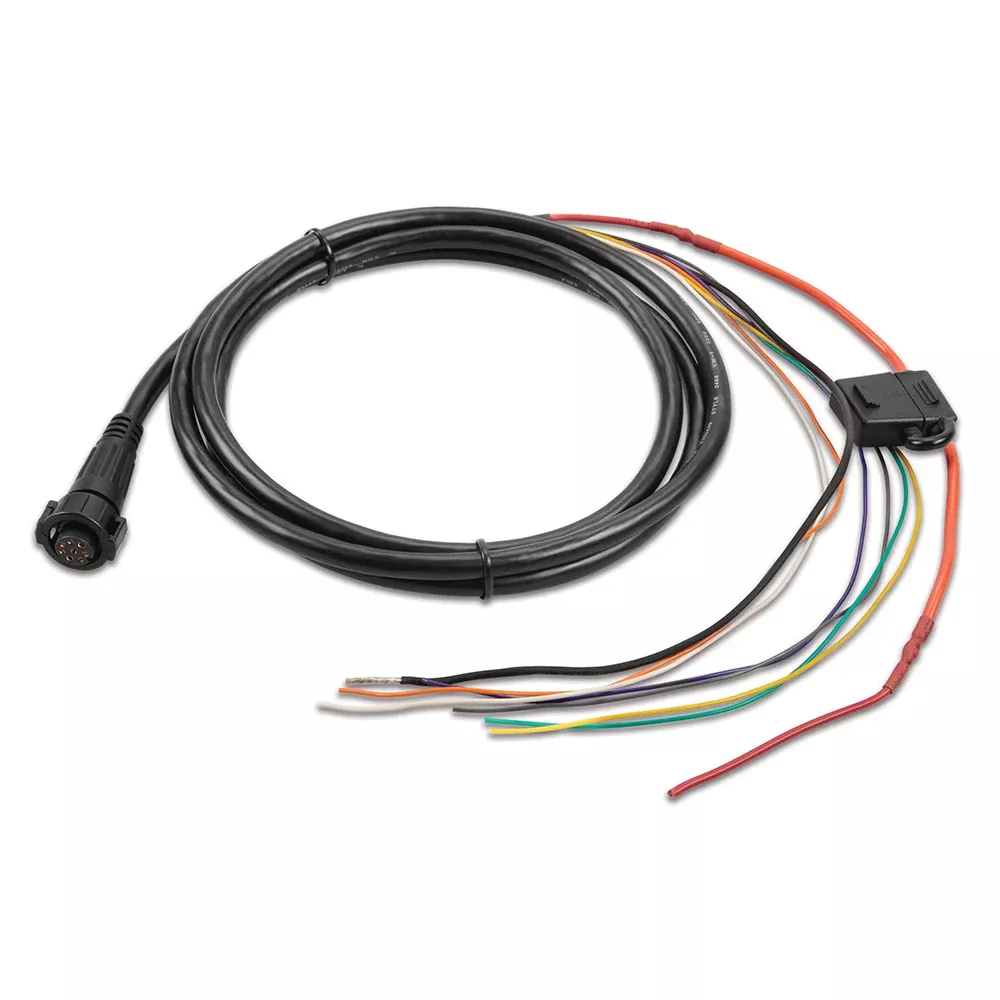
Installation is straightforward: Drill, bed in sealant, torque to spec, and route the 33-foot cable. The 9-pin black connector snaps into compatible multifunction displays, no adapters required. That tilted element means no shimming for most planing hulls, saving hours at the yard.
Technical Specifications at a Glance
Specification
Details
Frequency
Medium CHIRP (80-130 kHz)
Power Rating
600 Watts
Beamwidth (-3 dB)
24° to 16°
Elements
1
Cable Length
33 Feet (10 Meters)
Mounting
Stainless Steel Thru-Hull (12° Tilt)
Sensors
Depth & Temperature
Seamless Integration for Your Setup
Plug-and-play with popular chartplotters featuring 9-pin ports. Pairs beautifully with units craving medium CHIRP for balanced shallow-to-deep performance. Think center-console bay boats chasing reds or sportfishers probing ledges. Skip speed sensors if paddles aren’t your thing—this focuses on sonar purity.
Pro tip: Mount forward of props for clean water flow, maximizing that wide beam’s potential. Users love how it elevates basic sonar into fish-finding wizardry without breaking the bank.
Frequently Asked Questions
What frequency does the SS75M transducer cover?
It operates on medium CHIRP from 80-130 kHz, balancing sharp detail in shallows with strong bottom tracking in depths.
Is the SS75M suitable for my boat’s hull?
Yes, the 12-degree tilt compensates for 8-15 degree deadrise hulls, common on planing boats, for optimal echo returns.
Does it include a temperature sensor?
Absolutely—it measures water temperature alongside depth, helping track fish behavior tied to thermal shifts.
How long is the cable on this transducer?
The cable runs 33 feet (10 meters), giving flexibility for routing to your helm without extensions.
What’s the beamwidth range?
It adjusts from 24 degrees in shallower water to 16 degrees deeper, providing adaptive coverage for varied fishing scenarios.
Is installation DIY-friendly?
Very much so—thru-hull mount with low-profile design minimizes drag, and the plug-and-play connector simplifies wiring.
Why choose medium CHIRP over high or low frequency?
Medium strikes the sweet spot: finer resolution than low freq for structure/fish ID, yet penetrates deeper than high freq without losing bottom contact.