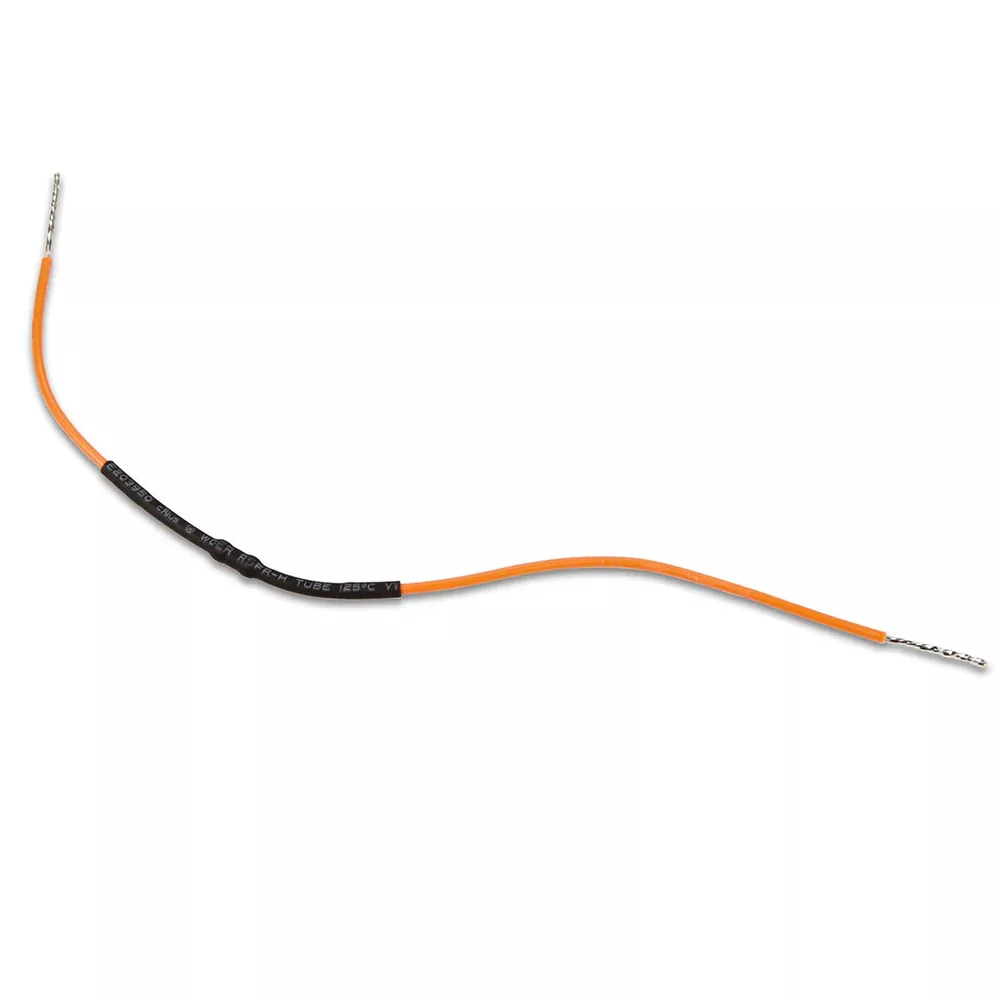
Navigating challenging marine environments demands precision and compatibility in your GPS setup. The Garmin Update Rate Select Cable steps in as a smart solution for boaters and installers who need to dial back the high-speed data output from advanced GPS antennas. Instead of overwhelming slower systems with rapid 10-times-per-second updates, this cable throttles it down to a steady once-per-second rhythm, ensuring smooth integration with NMEA 0183 networks that prefer a more measured pace.
Why This Cable Makes a Real Difference on the Water
High-performance GPS antennas like the GPS 19x HVS push boundaries with 10 Hz update rates at 38,400 baud—great for cutting-edge displays and sensors. But not every helm station or autopilot keeps up. Legacy gear or bandwidth-limited setups can glitch under that flood of data. Enter this select cable: it drops the baud to 4,800 and caps updates at 1 Hz, matching the expectations of many marine autopilots and chartplotters.
Seamless Compatibility: Tailored for GPS 19x HVS antennas in NMEA 0183 mode, bridging the gap with systems like certain Garmin helm pilots.
Performance Stability: Prevents data overload, reducing latency and errors in position reporting for reliable heading and tracking.
Effortless Setup: Plug-and-play design means no complex wiring changes—just connect and sail with confidence.
Durable Build: Black and yellow marine-grade construction withstands salt spray, UV exposure, and constant vibration.
How the Update Rate Selection Works
At its core, this cable modifies the serial communication protocol. Standard operation blasts position, speed, and heading data 10 times every second. By switching to a lower baud rate, it enforces a 1 Hz output—ideal for applications where ultra-high refresh isn’t critical, like steady-course autopilots or basic navigation aids. Think of it as a traffic cop for your GPS data stream, keeping everything flowing without backups.
Boaters often reach for this in retrofits: upgrading to a sensitive GPS 19x HVS while keeping an older autopilot happy. It preserves the antenna’s accuracy—heading data stays true within a degree—without forcing a full system overhaul.
Perfect for These Onboard Scenarios
Autopilot Integration: Pairs flawlessly with marine autopilots needing 1 Hz NMEA input for stable steering.
Mixed-System Fleets: Unites high-end GPS with legacy MFDs on fishing vessels or yachts.
Bandwidth Optimization: Frees up serial bus capacity for other sensors like depth finders or wind instruments.
Reliable Backup: Ensures consistent data in fog, rain, or when primary networks falter.
Garmin’s engineering shines here: essential utility wrapped in rugged reliability, backed by their commitment to marine-grade toughness.
Pro Tips for Long-Term Performance
To maximize lifespan, inspect connections seasonally for corrosion—common in saltwater ops. Route the cable away from high-heat engine areas and secure it against chafe from deck gear. Its one-year coverage underscores Garmin’s confidence, but smart habits extend usability for years of voyages.
Frequently Asked Questions
What does the Garmin Update Rate Select Cable do?
It limits the GPS 19x HVS antenna’s position updates to 1 per second at 4,800 baud, down from the default 10 per second at 38,400 baud, for better compatibility with slower NMEA systems.