Enhance Your Boating Experience with the Garmin SS60 12° Tilt Thru-Hull Transducer
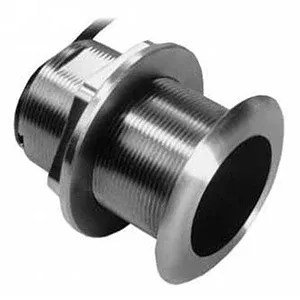
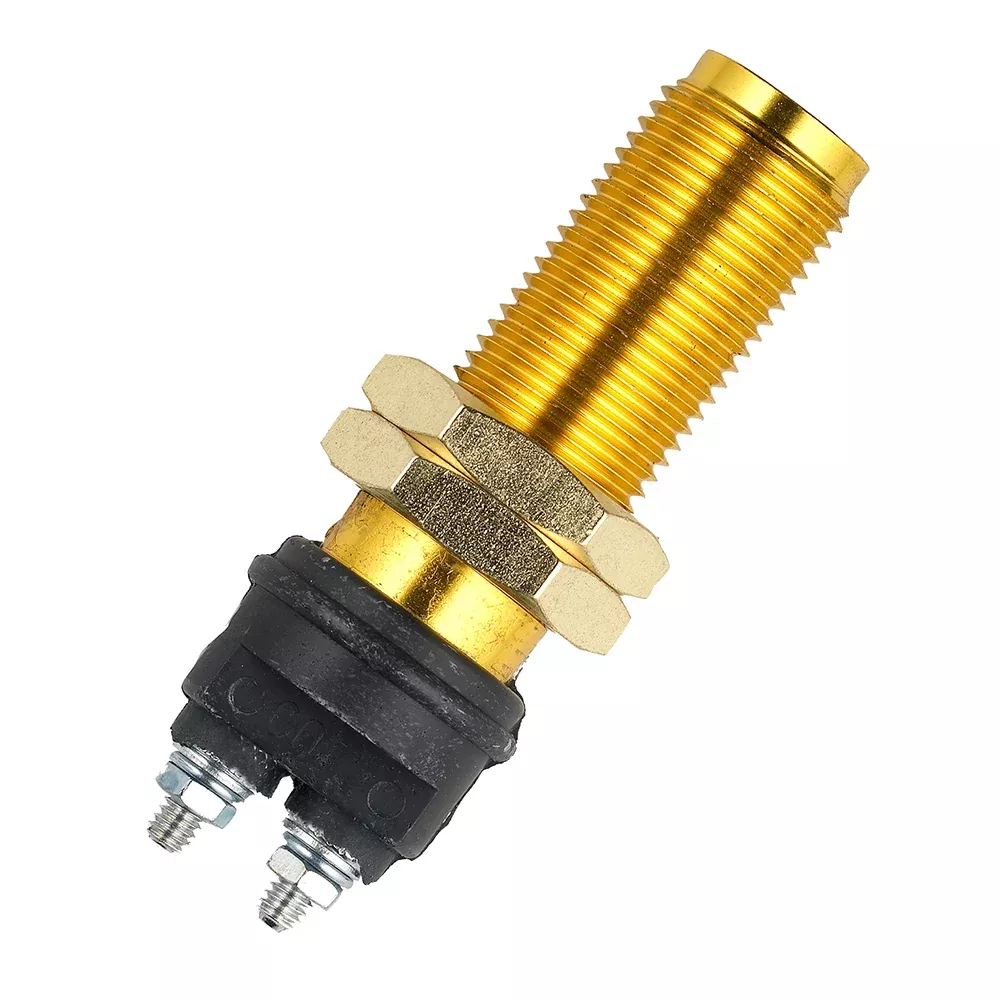
Picture this: you’re out on the water, scanning for fish or navigating tricky underwater terrain, and your sonar delivers crystal-clear images every time. The Garmin SS60 12° tilt thru-hull transducer makes that a reality. Crafted from durable stainless steel, this 600W powerhouse operates at dual frequencies of 50/200 kHz, offering a wide 45° beam at lower frequencies for broad coverage and a focused 12-15° beam at higher ones for pinpoint detail. It’s designed for thru-hull mounting with a 12° tilt, ensuring a vertical beam without needing a fairing block—perfect for boats with 8-16° deadrise angles.
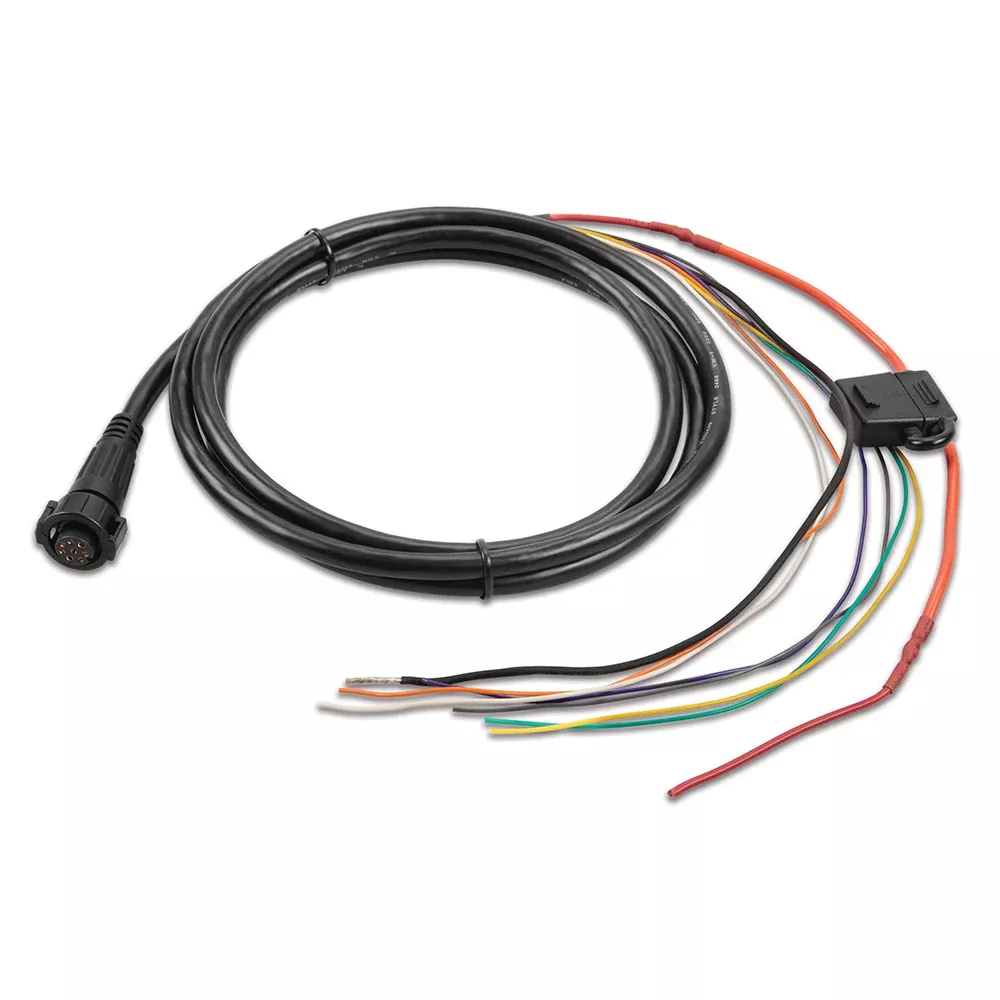
Whether you’re targeting trophy bass in shallow waters or charting depths up to 1,200 feet on offshore adventures, this transducer excels on fiberglass and wood hulls. The integrated temperature sensor keeps you informed on water conditions, while the 33-foot cable provides flexibility for clean installations. Pair it with compatible Garmin sounders via the 8-pin connector, and note that a 6-pin adapter may be needed for older models.
Why Boaters Trust the Garmin SS60 for Superior Performance
Vertical Beam Alignment: The built-in 12° tilt matches common hull deadrises, delivering straight-down readings without distortion or extra hardware.
Dual-Frequency Versatility: Switch between 50 kHz for expansive bottom coverage and 200 kHz for high-resolution fish arches and structure—ideal for everything from inland lakes to deep-sea fishing.
Robust Construction: Stainless steel housing resists corrosion in saltwater environments, with a 2-inch shaft for secure thru-hull fitting.
Deep Water Capability: Reliable performance from 800 to 1,200 feet, giving confidence during long-range cruises or commercial ops.
Easy Integration: 33 feet of cable and included instructions simplify setup, minimizing downtime on the water.
Anglers love how it reveals bait schools and wrecks with exceptional clarity, while cruisers appreciate the temp readings for safety and comfort. It’s not just a sensor—it’s an upgrade that sharpens your edge on the water.
Pro Tips for Seamless Thru-Hull Installation
Installing the SS60 starts with selecting a spot forward of the prop and away from strays—typically 1/3 of the hull length from the bow. Drill precisely for the 2-inch shaft, seal with marine-grade sealant, and route the cable through existing conduits if possible. The 12° tilt handles deadrises from 8-16° out of the box, but always double-check your hull angle with a digital inclinometer for best results.
For fiberglass hulls, bed the transducer flush to avoid air pockets that cause signal loss. Wood hulls benefit from epoxy reinforcement around the thru-hole. Test in shallow water post-install to verify beam alignment—no fairing means less drag and a sleeker profile underwater.
“Switched to the SS60 on my center console, and the fishfinding detail jumped—worth every minute of install time.”
—Seasoned offshore angler
Real-World Performance: Depth, Detail, and Reliability
At 600W power output, this transducer punches through thermoclines and murky water better than lower-wattage options. The 50 kHz mode sweeps wide for searching structure, while 200 kHz hones in on individual targets. Expect beamwidths of 45°/12-15°, providing balanced coverage without the narrow misses of fixed-mount alternatives.
In freshwater, it excels at marking suspended crappie or walleye; saltwater users rave about spotting reefs and bait balls at 1,000+ feet. The temp sensor adds value for trolling speeds and lure selection, helping you adapt to changing conditions on the fly.
Frequently Asked Questions
What hull types work best with the Garmin SS60 transducer?
It’s optimized for fiberglass and wood hulls with 8-16° deadrise angles, thanks to the 12° tilt for vertical beam alignment.