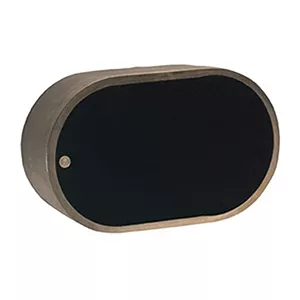
“Garmin GT41-TM – TM DownVü/SideVü 500W (CHIRP 260/455 kHz) Traditional 600W (50/200 kHz) Ducer w/Temp – 12-Pin” has been added to your cart. View cart
Imagine gliding through deep offshore waters, pinpointing massive schools of tuna or tracking rugged sea mounts with crystal-clear sonar images that cut through the noise. The Garmin PM265LM delivers that edge, blending raw power with smart CHIRP technology to transform how serious anglers and commercial operators read the underwater world. This 1kW powerhouse isn’t just hardware—it’s your gateway to reliable depth readings up to 3,000 feet, fast temperature updates, and beam coverage that adapts to your hunt.
Unlock CHIRP Excellence Across Dual Bands
At its core, this transducer shines with dual-band CHIRP operation: a low-frequency sweep from 42-65 kHz paired with a medium band of 85-135 kHz. Why does this matter? Traditional fixed-frequency sonar often misses the nuances, but CHIRP pulses a continuous range of frequencies, delivering sharper fish arches, tighter bottom detail, and fewer dropouts in rough conditions. The low band casts a wider net—16-25 degrees beamwidth—for scanning vast bluewater expanses, while the medium band narrows to 6-10 degrees for surgical precision on wrecks and reefs.
Spanning 73 kHz total bandwidth, it effortlessly hits sweet spots like 50 kHz for deep pelagics, 88 kHz for mid-depth bait balls, and 107 kHz for high-res structure work. Fishermen rave about its ability to separate fish from thermoclines, making it a staple for canyon runs or canyon-edge trolling where every detail counts.
Built for the Demands of Fiberglass Hulls
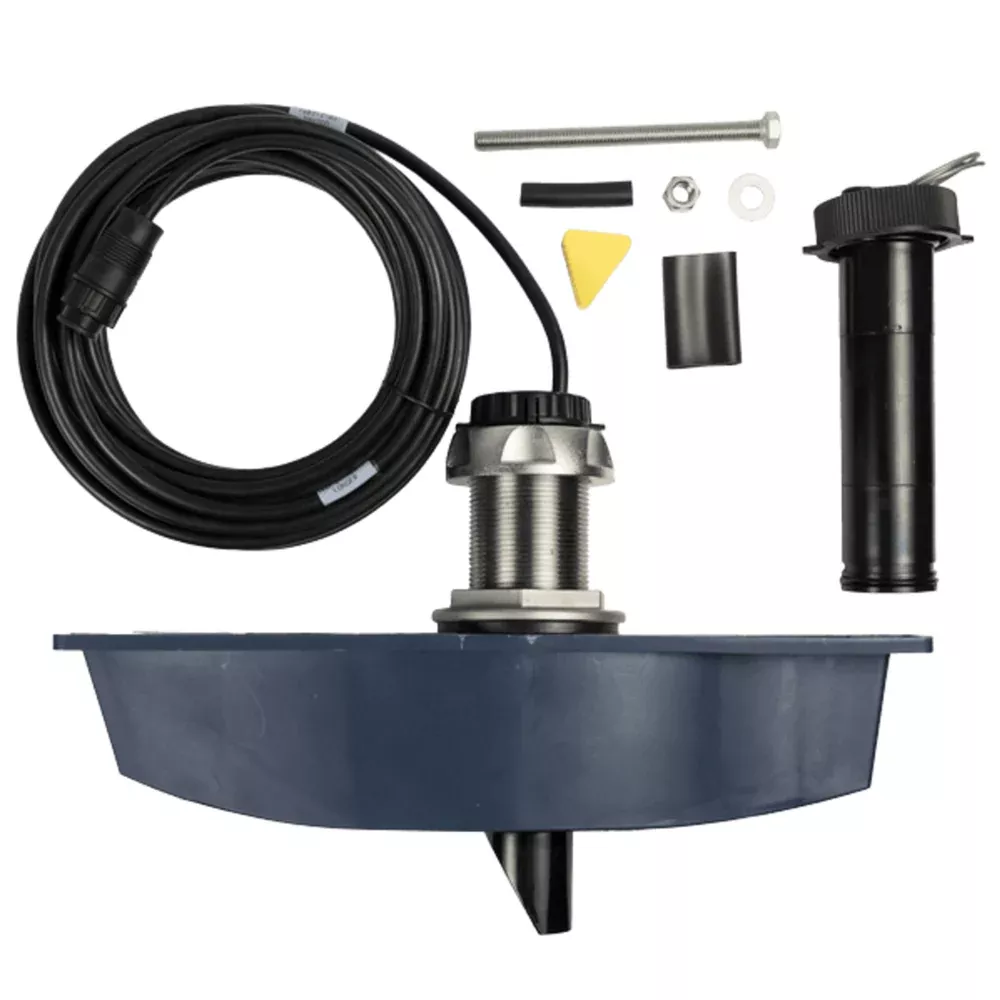
Crafted from durable bronze, this pocket-mount design slots seamlessly into fiberglass hulls, minimizing drag and maximizing signal integrity. Unlike flush thru-hulls, pocket mounts hug the keel line for optimal forward-facing performance, ideal for planing hulls that pound through chop. Its fast-response temperature sensor keeps you dialed into water column shifts, helping predict fish movements during dawn patrols or upwelling events.
Real-World Wins for Inshore to Offshore Pros
For recreational skippers chasing billfish off the continental shelf, the PM265LM’s 1kW pulse power punches through saltwater attenuation, revealing bottom structure at depths where lesser units fade. Commercial fleets trust it for sea-mount mapping, where wide low-band coverage spots aggregations from afar, then medium-band zooms in for net deployment.
Inshore, it excels at marking snapper on ledges or grouper in 200-foot punch-outs, with CHIRP’s bandwidth reducing clutter from bait schools. Pair it with Garmin’s ecosystem, and sonar data flows network-wide—view on chartplotters, share with crew stations, or overlay with radar for ultimate situational awareness. Users often note how it outperforms single-band rivals in transitional zones, like shelf breaks where frequencies overlap for hybrid views.
Smart Installation for Peak Performance
Success starts with placement: aim for a fairing that aligns the transducer perpendicular to the waterline at speed, typically 12-18 inches off centerline to dodge prop wash. Bronze construction resists corrosion, but always bed in a non-conductive sealant to prevent electrolysis. Calibrate post-install for your hull speed—running 20-30 knots reveals any air bubble interference, tweakable with minimal tools.
Pro tip: In variable deadrise hulls, a custom wedge ensures the beam stays vertical, boosting target separation by 20-30%. Maintenance is straightforward—annual freshwater rinses and anode checks keep it humming season after season.
Why It Stands Above the Competition
As the top-tier 1kW pocket mount, it edges out competitors with broader bandwidth and tighter beams, translating to fewer false readings and more hookups. No need for multiple transducers; this single unit consolidates low/med coverage, saving weight and wiring headaches. Anglers switching from 600W models report doubled target ID range, especially in downrigging spreads.
“Switched to the PM265LM last season—now I see fish holding tight to the bottom at 1,500 feet that my old setup ghosted. Game-changer for yellowfin runs.” – Offshore charter captain
Frequently Asked Questions
What frequencies does the Garmin PM265LM transducer support?
It features dual CHIRP bands: 42-65 kHz low frequency for wide-area deep scanning and 85-135 kHz medium frequency for detailed mid-depth imaging, covering 73 kHz total bandwidth.