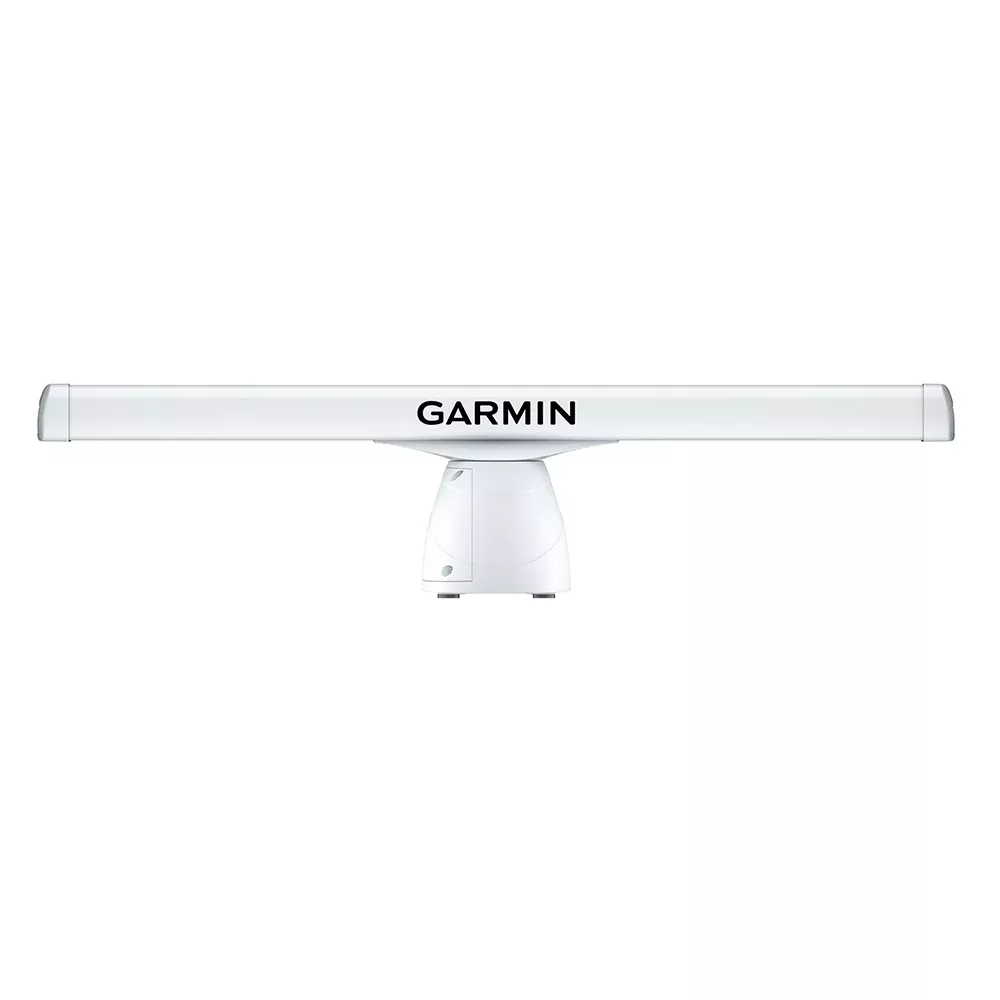
Garmin’s 25-kilowatt magnetron flagship. The GMR 2536 xHD3 6ft Open Array delivers up to 96-nautical-mile range with Scan Averaging, Angular Target-Size Adjustment, and True Echo Trails, built to commercial-grade IEC standards with a 100-knot wind rating.
The Garmin GMR 2536 xHD3 6-foot Open Array Radar with Pedestal (MPN K10-00012-29) is Garmin’s 25-kilowatt magnetron flagship in the GMR xHD3 line, built for serious offshore cruising, commercial-traffic operation, and long-range weather detection where raw transmitted power and large-aperture antenna geometry are what the operational job demands. The 6-foot open array delivers the narrowest beamwidth in the Garmin radar lineup, the 25kW magnetron delivers the longest detection range, and the xHD3 processing platform delivers the modern features (Scan Averaging, True Echo Trails, dual-range overlay) that make the data usable instead of just impressive on a spec sheet.
What 25kW magnetron actually does. Output power directly determines maximum detection range on small targets, performance penetrating rain and heavy weather, and signal-to-noise ratio on long-range returns. At 25 kilowatts the GMR 2536 xHD3 reaches the practical detection ranges that smaller radars can’t, sees through weather that washes out lower-power systems, and resolves small targets at distances where they actually matter for collision avoidance and weather routing. For offshore boats running serious distances, the magnetron power is what gets you the 96-nautical-mile capability on the spec sheet translated into real-world detection.
Why magnetron instead of solid-state. Magnetron radars deliver peak power that solid-state radars at recreational power levels can’t match. For commercial-vessel applications, long-range offshore detection, and weather routing where you need to see formations 50+ miles out, the magnetron’s peak power is the right technology. The trade-offs versus solid-state are higher standby power, warm-up time, and shorter rotor service life, all of which are operationally acceptable for vessels that need the raw range capability. For boats that prioritize long-range and weather penetration over solid-state convenience features, magnetron is still the right choice.
6-foot open array antenna. The antenna size determines beamwidth, and beamwidth determines target separation. The 6-foot antenna delivers a narrow horizontal beam that resolves two targets at slightly different bearings as two distinct returns instead of merging them into one blob. For commercial-traffic operations where you need to distinguish multiple vessels in proximity, weather routing where you need to map storm structure, and fishing operations where target discrimination matters, the 6-foot is the antenna size that justifies the open-array architecture over a dome.
Scan Averaging Technology. A first for Garmin magnetron radar, Scan Averaging combines successive radar sweeps to filter out sea clutter and interference, enhancing the detection and display of consistent targets while suppressing transient noise. The result is a cleaner radar picture with reduced false alarms and better persistence on real targets. For operators who run radar continuously through rough conditions, Scan Averaging makes the difference between a usable display and a noisy one.
Angular Target-Size Adjustment. Pulse expansion and angular target-size processing techniques optimize on-screen object shapes for better interpretation at all range scales. Targets at long range get appropriate visual emphasis instead of disappearing into single-pixel returns, and targets at short range get accurate angular representation instead of being smeared by beamwidth artifacts. The result is a radar picture that’s easier to interpret quickly, which matters when you’re making collision-avoidance decisions under operational pressure.
True Echo Trails. A historical trail of boats on the water is displayed on screen, removing the relative motion influence so moving targets stand out from stationary returns. This is Garmin’s answer to the Doppler-style target highlighting that helps you quickly identify moving targets and potential collision threats. For busy waters where dozens of returns share the screen, the trails make moving boats visually distinct from buoys, shorelines, and reflections.
Dual Range with Overlay. A single radar antenna provides split-screen side-by-side images on a compatible Garmin chartplotter, with independent range setting and controls for both close and long range simultaneously. Overlay either or both ranges on the chart. For boats that need short-range collision awareness AND long-range weather/traffic detection at the same time, dual range eliminates the need to constantly switch ranges manually.
Dynamic Auto Gain. Gain automatically adjusts to optimum settings for harbors, near-shore, and offshore open waters, so you don’t have to manually re-tune the radar every time the operating environment changes. For operators who don’t want to babysit the radar controls, Dynamic Auto Gain delivers consistently good displays across varied conditions.
Commercial-grade build. The pedestal is engineered for extreme marine environments with a 100-knot commercial-grade wind rating, IEC compliance for shipborne radar applications, and a quiet open-array drive motor that doesn’t make the radar mount a noise source. For boats that operate offshore or in storm-prone regions, the rated wind capability and IEC compliance mean the radar is built to last in the environments where it’s actually needed.
Integration. The GMR 2536 xHD3 connects to current Garmin GPSMAP chartplotters (8400 series, 8600 series, 9000 series, and compatible models) via the Garmin Marine Network. Full integration includes radar overlay on chart, ARPA/MARPA target tracking, guard zones, standard radar controls (range, gain, sea/rain clutter, EBL/VRM), and the full GMR xHD3 feature set (Scan Averaging, True Echo Trails, dual-range) all operating through the chartplotter’s interface.
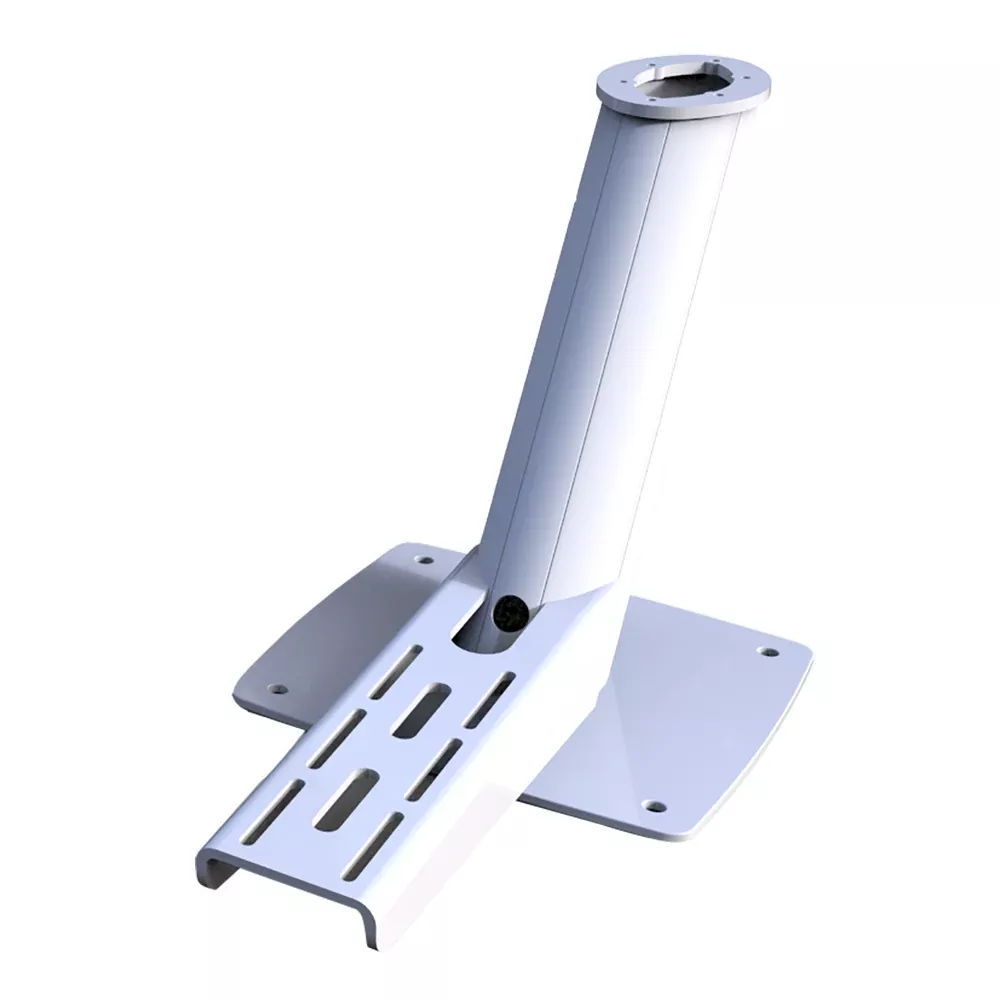
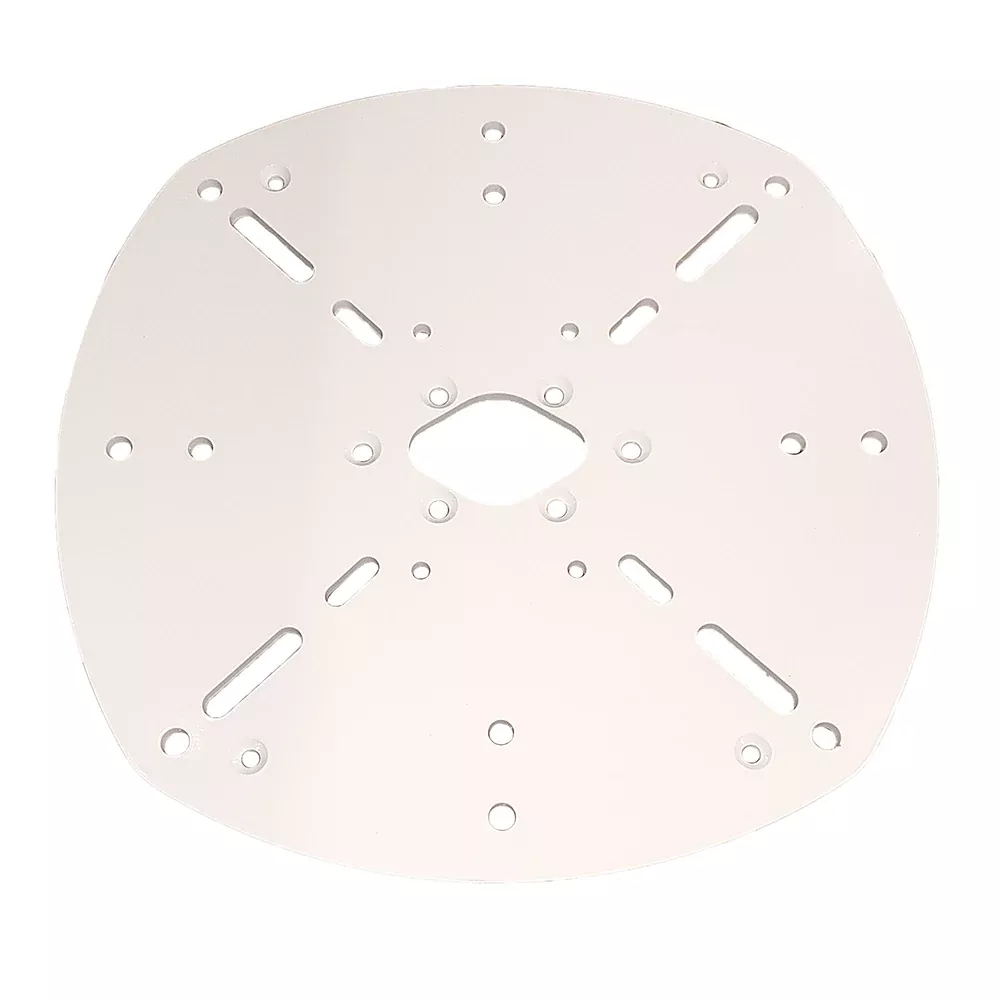
Install considerations. The 6-foot open array and 25kW pedestal require structural mounting on a mast, radar arch, or hardtop with adequate support for the antenna assembly, rotating mass, and pedestal weight. Cable runs between the pedestal and below-deck network connection need careful routing for signal integrity and weather protection. Power requirements are higher than solid-state alternatives due to magnetron transmit characteristics. Total install is a marine electronics installer day-plus for a clean job. Not casual DIY because the mounting requirements, cable runs, and chartplotter commissioning all need professional setup.
Why pay this much. Three reasons. First, 25kW magnetron power delivers maximum detection range and weather penetration that solid-state alternatives can’t match at recreational power levels. Second, the 6-foot open-array antenna delivers target separation and bearing resolution that smaller antennas can’t, which is operationally critical for commercial-traffic and weather routing use. Third, the xHD3 processing platform with Scan Averaging, True Echo Trails, and Angular Target-Size Adjustment makes the raw radar data actually usable, not just impressive on the spec sheet. For owners running serious offshore or commercial-grade helms on the Garmin ecosystem, the GMR 2536 xHD3 is the radar that earns its position.