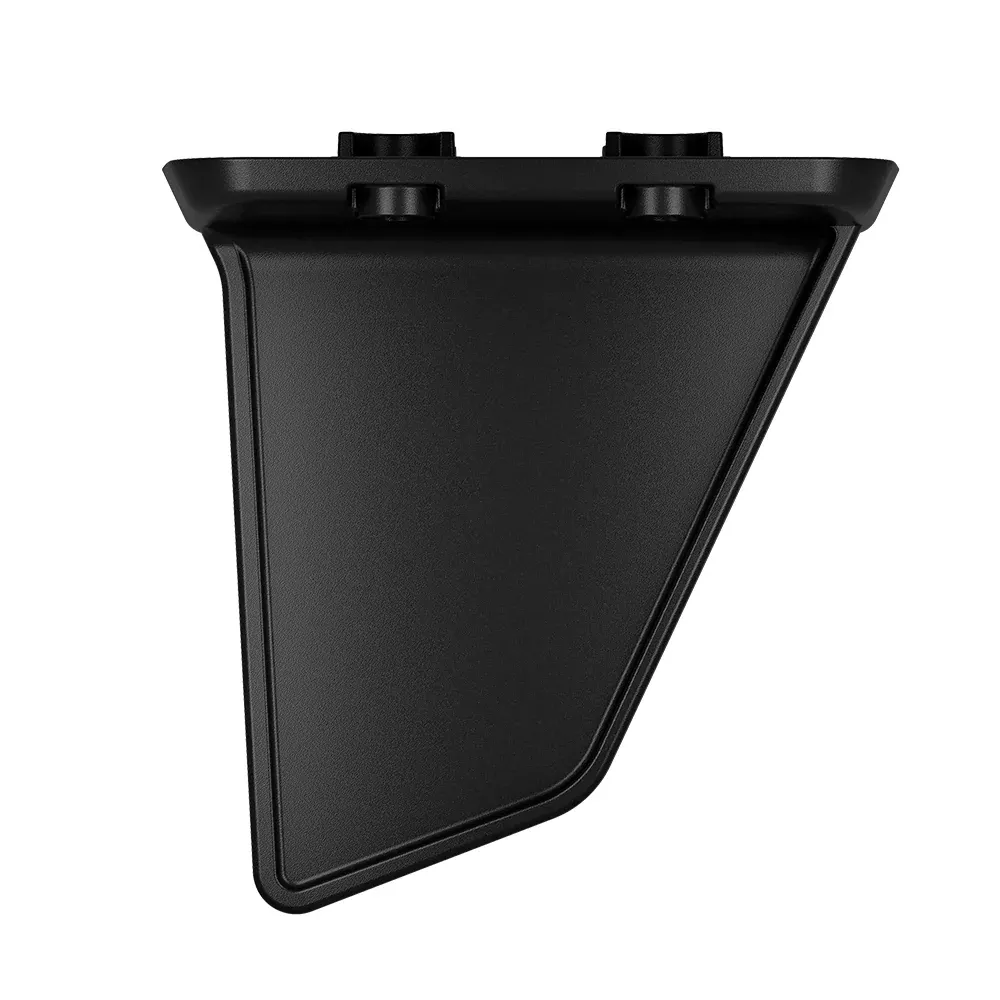
Hit a rock or a stump? The skeg under the Force takes the impact and the prop survives. When the skeg cracks or shears, this is the genuine Garmin replacement to bolt back on and keep fishing.
The Garmin Force trolling motor skeg in (MPN 010-12832-18) is the genuine replacement skeg for the Garmin Force trolling motor lower unit. The skeg is the small vertical fin under the motor that takes the impact when you hit submerged structure (rocks, stumps, dock pilings, sandbars) before the prop or the motor housing gets damaged. It’s designed to crack or shear under heavy impact – that’s the point. The skeg protects the more expensive components above it. When it gives way, you bolt the new one on and get back to fishing.
Why this matters. Trolling motor lower units are vulnerable. When you idle into a creek mouth, work a brush pile, or push through shallow water at a launch ramp, you’re driving an exposed motor unit through territory that’s often full of hard objects. A direct rock impact on a Force without a skeg can crack the lower unit housing (expensive repair) or bend the prop shaft (motor replacement). The skeg sticks out below and ahead of the critical components and absorbs the impact instead. It’s the trolling motor equivalent of a crumple zone.
This replacement skeg is genuine Garmin OEM. The fit matches the Force lower unit exactly, the bolt pattern lines up with existing mounting holes, and the color matches the factory Force finish. Aftermarket skegs exist but the fit is rarely as clean and the material composition often differs from the OEM (some aftermarket skegs are too soft and shear too easily, others are too hard and don’t protect the housing).
Install. The skeg replacement is a simple bolt-on job. Remove the damaged skeg with a hex wrench (or pliers if it’s badly cracked), align the new skeg in the same position, and tighten the mounting bolts. Plan five to ten minutes for the swap. No drilling, no modification to the lower unit, no special tools required.
When to replace. Inspect the skeg whenever you have the trolling motor out of the water for cleaning or storage. Look for cracks running across the skeg base (sign of stress that hasn’t fully fractured yet), missing chunks (impact damage from previous hits), or excessive wear on the leading edge (sign the skeg has been doing its job through abrasive bottom). Any of those signs indicate it’s time for a replacement. Don’t wait until the next impact – a compromised skeg may shear fully on the next hit and leave the lower unit unprotected.
Keep a spare in the boat. Skegs are inexpensive enough that the smart move is to keep a spare in the boat’s tool kit. If you crack one on the water (and notice the damage while you’re still fishing), you can swap it on the bow before continuing rather than spending the rest of the day worried about the next impact. The smart angler treats skegs like a consumable – bought in pairs, swapped when worn, replaced after impact.
vs other colors. The skeg matches the factory Force finish for owners who want the cosmetic match. Garmin makes the skeg in other colors as well for owners with custom Force color schemes or those who want a contrasting visual. The SKU is the most popular because it matches the standard Force factory finish.
One more practical note. The skeg shows scrapes, scuffs, and bottom-paint contact more clearly than darker colors, which is actually useful for diagnostic purposes. Marks on the leading edge tell you which side of the Force contacts structure most often, and a heavily-scuffed skeg is your early warning that the next hit might be the one that fully cracks it. Many anglers use the visual wear pattern on the skeg as a maintenance signal, swapping for a new one when the scuff pattern reaches a certain depth or coverage. The functional impact protection doesn’t depend on color but the diagnostic visibility does.