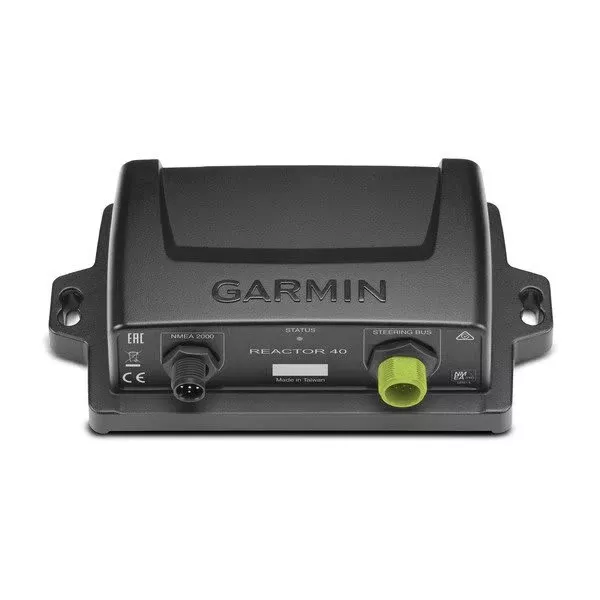
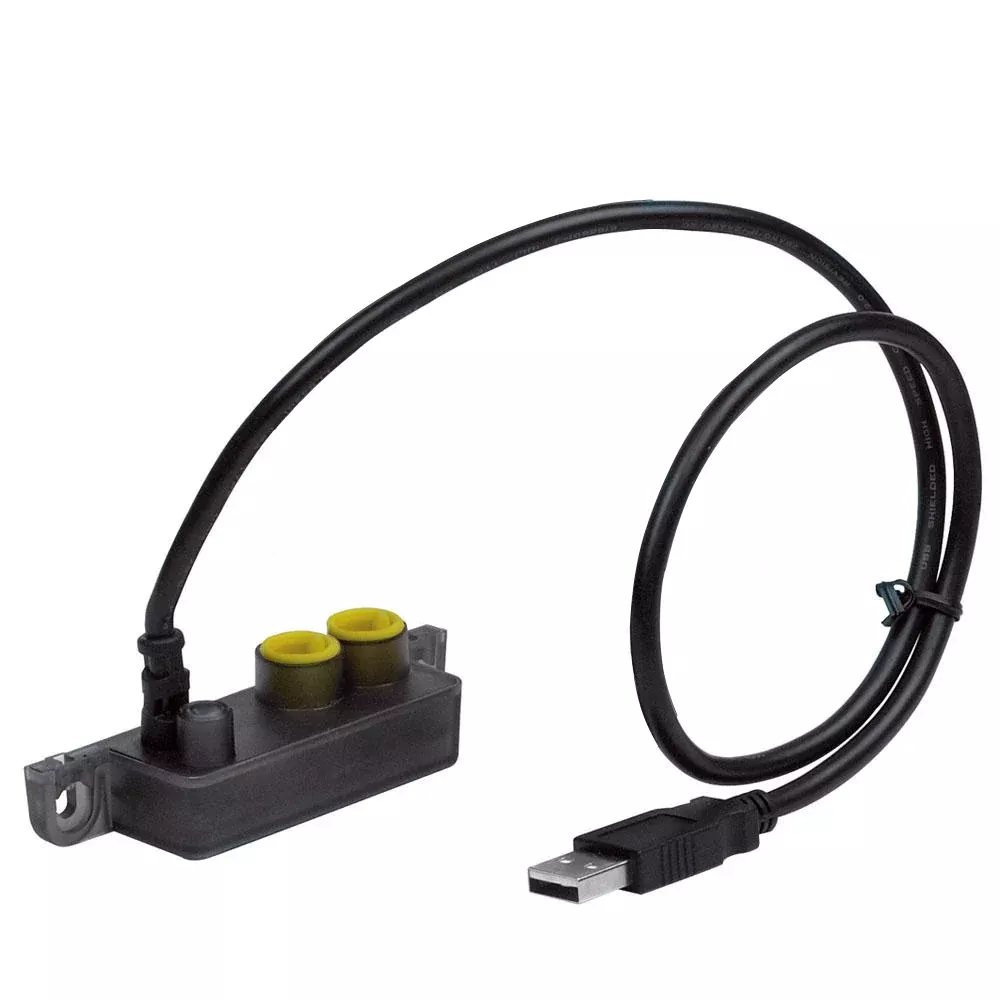
Imagine navigating open waters with confidence, where your boat holds its course effortlessly even when you’re tending to sails or enjoying a quiet moment at the helm. The Garmin Reactor 40 Course Computer Unit (CCU) for steer-by-wire systems is the intelligent core that makes this possible. Engineered as the “brain” of the Reactor 40 autopilot, this compact powerhouse integrates seamlessly with your vessel’s steering setup, delivering precise control tailored for modern steer-by-wire configurations.
Why the Reactor 40 CCU Stands Out in Marine Autopilots
At the heart of the Reactor 40 lies its advanced solid-state 9-axis Attitude Heading Reference System (AHRS). Unlike traditional gyro-based sensors prone to wear from constant motion and vibrations, this AHRS uses no moving parts, ensuring long-term reliability in harsh saltwater environments. It accurately senses heading, pitch, roll, and yaw, calculating rate of turn with exceptional precision—even in choppy seas or tight maneuvers.
Boaters upgrading to steer-by-wire appreciate how this CCU eliminates the guesswork in autopilot performance. It powers the entire system, adapting to your boat’s unique handling characteristics through Garmin’s intuitive calibration process. Whether you’re on a sleek center-console or a larger cruiser, it maintains steady tracking without constant adjustments, freeing you to focus on the journey.
Seamless Connectivity for a Unified Onboard Network
Integration is effortless via the NMEA 2000 network, allowing the CCU to communicate bidirectionally with compatible chartplotters, displays like the GHC 20, and other marine electronics. Picture this: your autopilot syncs with GPS data for waypoint navigation, wind sensors for sail trim assistance, or even engine data for optimized fuel efficiency. This plug-and-play compatibility future-proofs your setup, supporting a growing ecosystem of smart boating tech.
For steer-by-wire boats, the CCU directly interfaces with electronic steering actuators, providing responsive commands that feel natural. No bulky hydraulic pumps or mechanical linkages needed— just clean, efficient control that responds in milliseconds to helm inputs or automated course corrections.
Real-World Benefits for Everyday Boaters and Pros
Enhanced Safety: Holds course reliably during long passages, reducing fatigue on overnight watches or in congested harbors.
Precision Docking: Fine-tuned control for low-speed maneuvers, making berthing as smooth as parallel parking a car.
Versatile Performance: Handles everything from displacement hulls to high-speed planing boats, with adaptive algorithms that learn your vessel’s behavior.
Low Maintenance: Solid-state design means fewer service calls, backed by Garmin’s reputation for rugged marine gear.
User-Friendly Operation: Pairs with intuitive displays for simple setup—no PhD in electronics required.
Getting Started: Practical Installation Insights
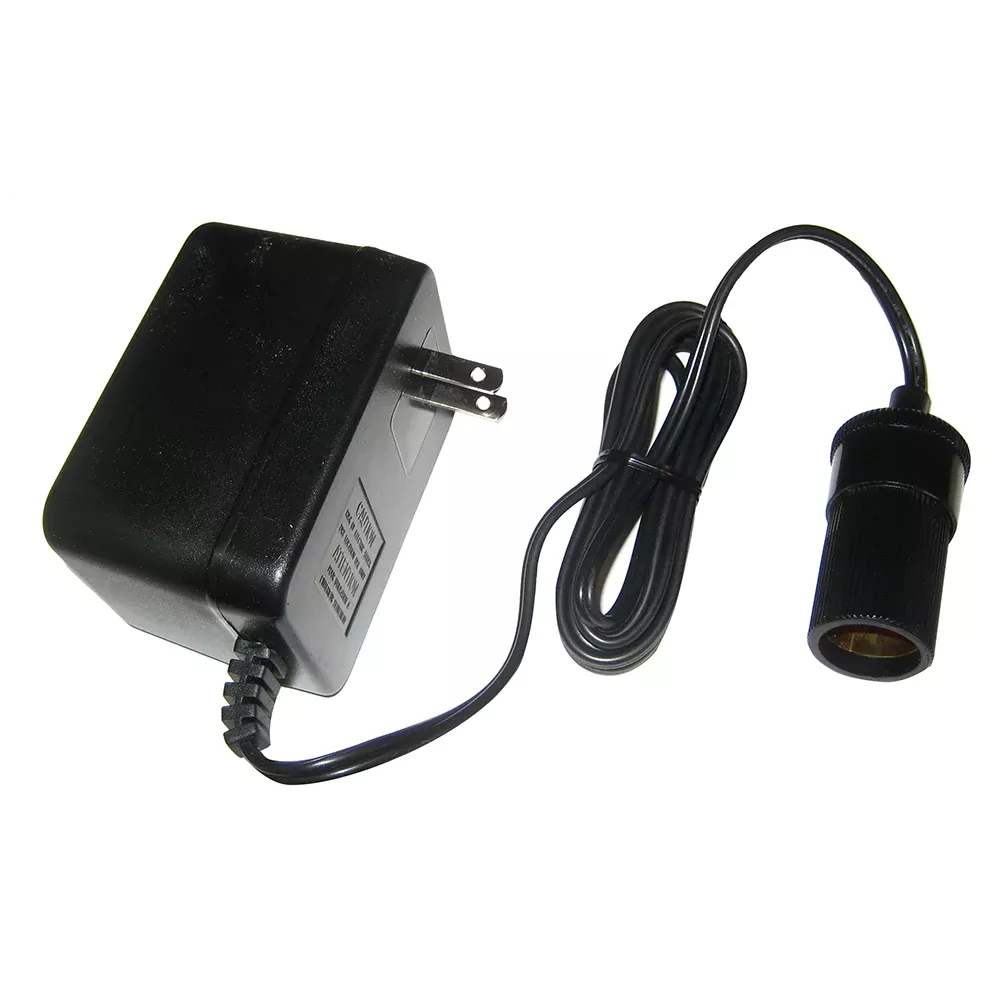
Mounting the CCU is straightforward, ideally in a protected area away from extreme heat or magnetic interference. Connect it to your steer-by-wire helm and NMEA backbone, then power up through the dedicated supply. During initial setup, follow the guided wizard on your compatible display to input boat specifics like length, displacement, and steering type. Calibration involves a simple sea trial: motor in a circle to let the AHRS align, then test straight-line tracking. Most installations wrap up in under an hour for experienced riggers, with room for custom tweaks like sensitivity adjustments for varying sea states.
Pro tip: Position the unit near the center of gravity for optimal sensor accuracy, and always double-check backbone terminators to avoid network glitches. Once online, it supports shadow drive technology, blending autopilot precision with intuitive manual steering—perfect for transitioning between modes without drama.
Boosting Your Boating Experience with Reactor 40
Owners rave about the Reactor 40 CCU’s ability to transform helming from a chore to a pleasure. In real user scenarios, like coastal cruising or fishing charters, it shines by holding courses against wind shifts or currents that would throw off lesser systems. Its compact size (about the footprint of a softball) fits neatly in tight console spaces, while the robust enclosure shrugs off spray and humidity.
Compared to competitors, Garmin’s engineering emphasizes not just accuracy but usability. Features like automatic heading hold after turns, or integration with sailing instruments for tack/gybe automation, elevate it beyond basic autopilots. It’s an investment in smoother voyages, safer outings, and more time enjoying the water instead of wrestling the wheel.
Frequently Asked Questions
What makes the Garmin Reactor 40 CCU ideal for steer-by-wire boats?
Designed specifically for electronic steering, it uses a solid-state 9-axis AHRS to deliver precise heading and turn data without mechanical vulnerabilities, ensuring responsive control in dynamic marine conditions.