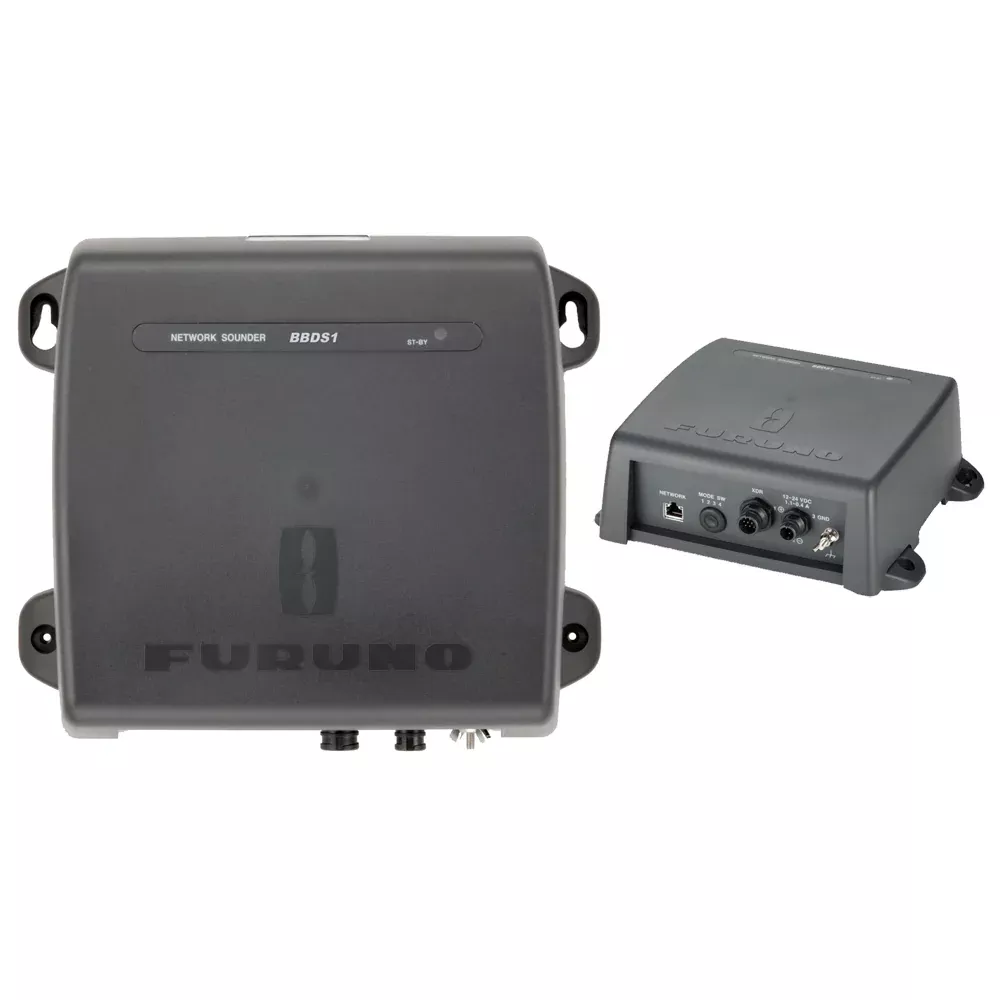
Imagine gliding over the water, your eyes locked on the chartplotter, as it reveals not just fish arches but the very secrets of the seafloor beneath. That’s the edge the Furuno BBDS1 black box sounder module brings to serious anglers equipped with NavNet 3D or TZtouch systems. This compact powerhouse upgrades your setup with advanced bottom discrimination, distinguishing mud from sand, gravel from rock by scrutinizing echo returns for clues like particle density and seabed hardness.
Unlock Smarter Fishing with Bottom Discrimination
Traditional sonar paints a picture of depth and structure, but the BBDS1 goes deeper—literally. By categorizing the bottom into four key types, it helps you zero in on prime fishing spots. Rocky bottoms often hold walleye or snapper, while sandy expanses scream flounder or stripers. Gravel patches might signal crappie hideouts, and mud flats could be gold for catfish. Anglers report spending less time idling aimlessly and more time hooking up, thanks to this intel integrated seamlessly into your multifunction display.
Master the Two Display Modes for Precision Insights
Flexibility is key on dynamic waters. Switch to Standard Mode for a straightforward readout: icons or a color-coded bar highlights the dominant bottom material at a glance. When conditions get tricky—like shifting compositions—flip to Probability Mode. Here, the bar splits proportionally, showing likelihoods across all four categories. It’s like having a marine geologist on board, adapting to real-time changes for more reliable reads.
Seamless Integration and Robust Performance
Plug the BBDS1 into your NavNet network via Ethernet, and it taps into the Furuno Digital Filter (FDF) tech from the acclaimed DFF1. Dual-frequency pulses at 50/200 kHz deliver crisp imaging across shallow reefs to moderate depths. With adjustable output up to 1kW, it punches through thermoclines without overwhelming smaller setups at 600W.
Key Technical Specifications
Frequency: 50/200 kHz (alternating transmission for versatile coverage)
Power Output: 600W or 1kW selectable
Power Requirements: 12-24 VDC (0.4-1.1A at 1kW)
Operating Temperature: -15°C to +55°C
Humidity Tolerance: 93% at 40°C
Waterproof Rating: IP20 (protect from splashes; install in dry console)
Optimal Conditions for Peak Bottom Discrimination
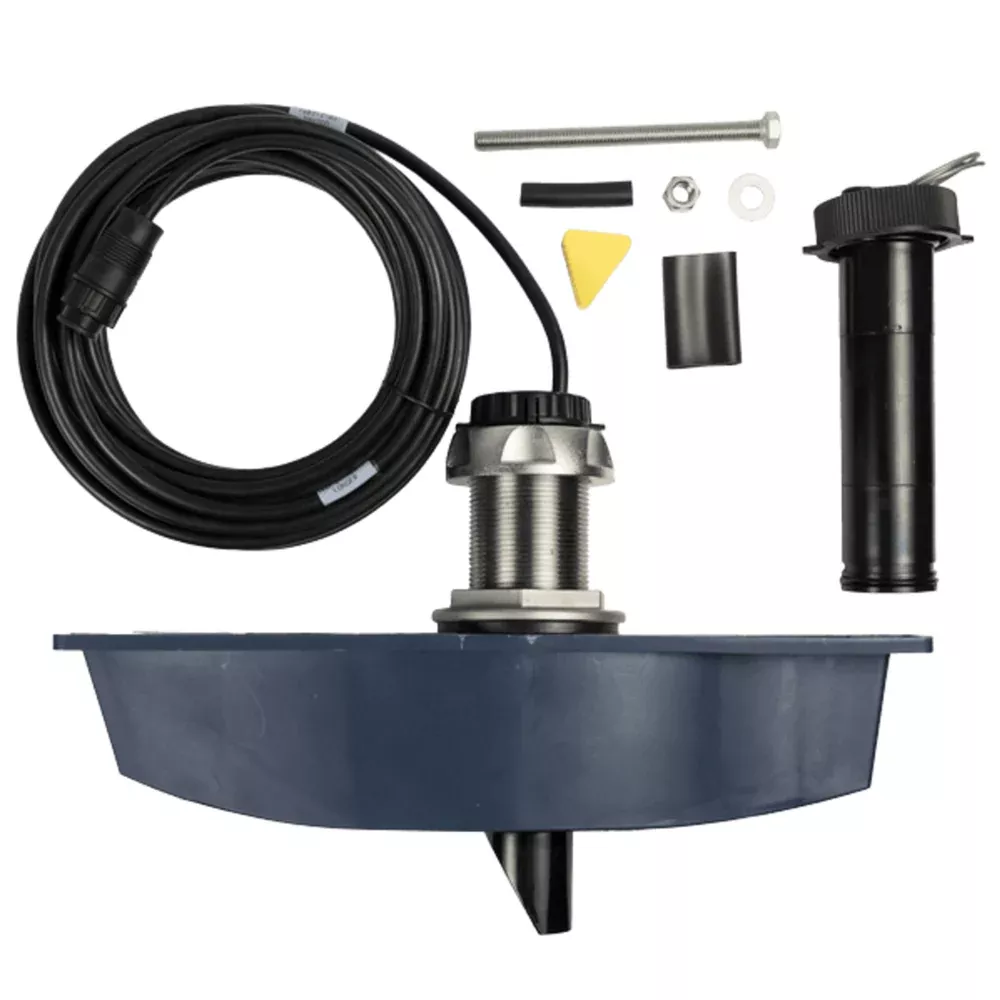
To maximize accuracy, keep boat speed under 10 knots, stay within 5-100m detection range, and use thru-hull or transom-mounted transducers. Ensure your MFD8/12/BB runs software v2.06+. These parameters ensure clean echoes reach the module, painting the truest picture of the bottom.
Transducer Compatibility Guide
Bottom discrimination shines brightest with purpose-matched transducers. Here’s a breakdown of proven performers and those best avoided for this feature:
In-hull and shoot-thru transducers disable discrimination mode, though standard fishfinding works. Common no-gos include models like 520-IHD, 527ID-IHD, and various tilted or broadband options without specific PSD/MSD support.
Pro Tips and Real-World Considerations
Expect some variability—dense fish schools overhead can mask bottom echoes, and exotics like coral mimic the closest match among the four basics. Auto mode kicks in automatically for simplicity. Mount securely in a ventilated spot, and pair with Furuno’s ecosystem for flawless NMEA 2000/0183 data sharing. Not for legacy NavNet 1 or vx2—stick to 3D/TZtouch.
Frequently Asked Questions
What makes the Furuno BBDS1 stand out from standard fishfinders?
Its bottom discrimination analyzes seabed echoes to classify mud, sand, gravel, or rock, helping target fish-holding structures more effectively.