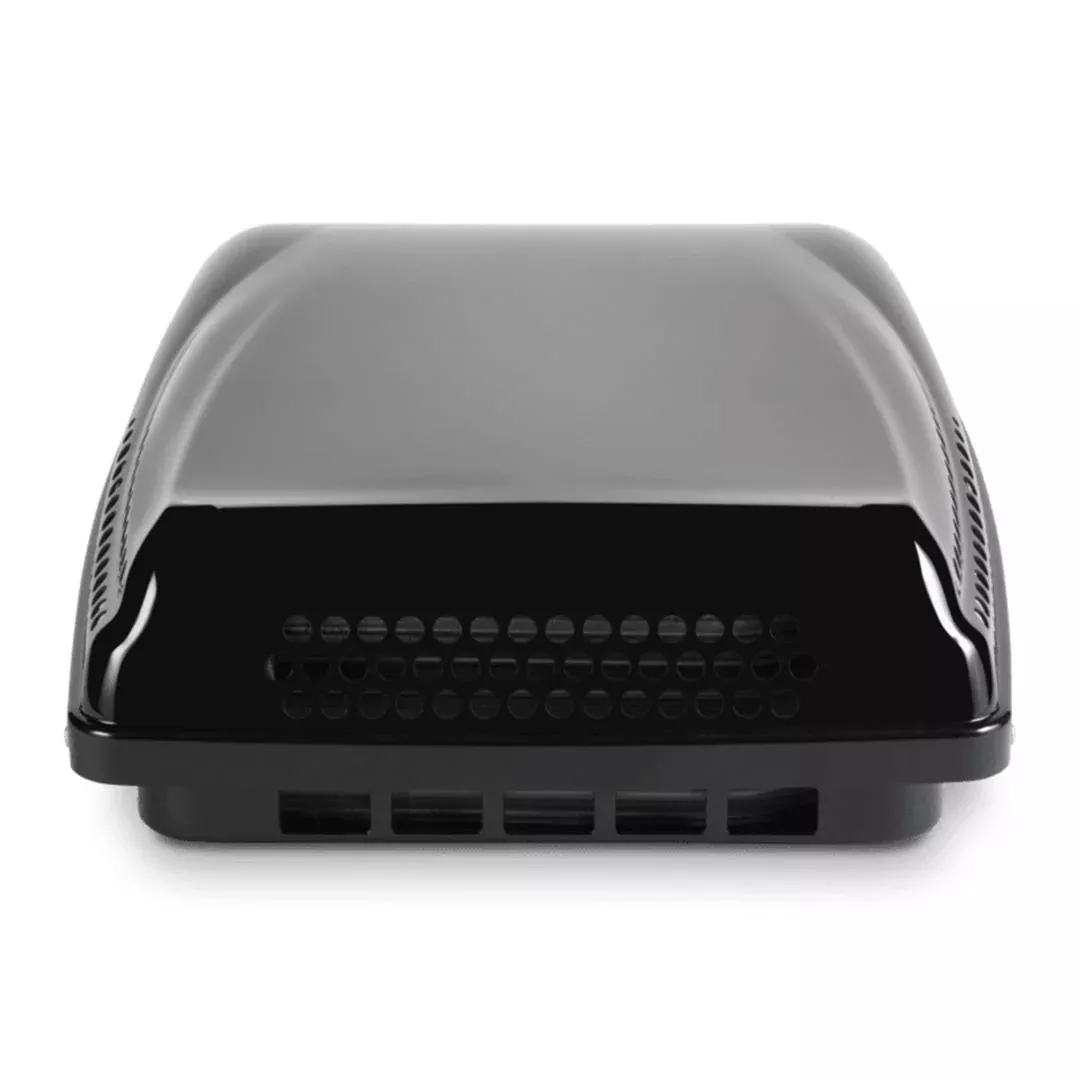
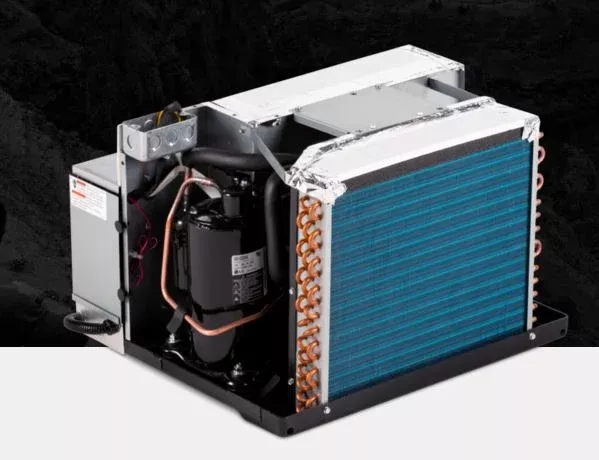
Replace your aging marine air conditioner without ripping out the boat. The 1916AXX1J0 is a115V AC unit engineered to drop into legacy AC compartments with the same plumbing connections and mounting footprint.
The Dometic Dometic 1916AXX1J0 (MPN H551916AXX1J0) is a115V marine air conditioner air conditioner designed to replace aging marine AC units without major fiberglass work or new ductwork. The AC unit footprint matches the common legacyAC compartment dimensions, so the swap is a chassis-out, chassis-in install rather than a full system replacement.
Why AC unit instead of full replacement. Marine AC compartments are tightly engineered into the boat’s interior. A new mounting position means cutting into bulkheads, rerouting ducts, and re-fitting trim. The Dometic Dometic AC unit line lets you put a current-generation Dometic unit into the same compartment your old AC occupied, with the same chilled-water or freshwater connections, the same drain routing, and the same wiring termination points. The boat looks the same after the swap, but the cooling capacity, energy efficiency, and reliability are all current-generation.
What you get with this kit. Therating is the right size for the typical mid-cabin or v-berth on cruising boats in the 30 to 45 foot range. The 115V power input matches dock shore power on most cruising boats and 30A shore-power-capable boats running an isolation transformer. The compressor is the modern rotary type with higher efficiency than the older reciprocating compressors common in legacy units. The controls are compatible with modern Dometic thermostat units for owners upgrading the control side at the same time.
Install considerations. The AC unit assumes a competent marine HVAC installer or a meticulous owner-installer with marine systems experience. Plan a full day for the swap including removal of the old unit, cleaning the compartment, mounting the new unit, reconnecting plumbing and electrical, and commissioning. The kit includes the new chassis, mounting hardware, and most of the small parts needed for the install, but you should budget for replacement seawater hose, hose clamps, and electrical wire as appropriate to your specific install condition.
Compatibility. The AC unit fits the legacy Dometic AC compartment standard forunits. For compartments built around competing brands (Cruisair, Mermaid, Marine Air), the AC unit may still fit if the compartment dimensions are close enough, but check the spec sheet against your current AC dimensions before ordering. The fit is engineered for Dometic-to-Dometic swaps and cross-brand swaps require closer measurement.
Why this matters for cruising owners. Marine AC failures on cruising boats are expensive. A failed AC means uncomfortable nights at anchor, dock fees while waiting for parts, and lost cruising days. Modern Dometic units have substantially better reliability records than the 15-25 year old units they typically replace. The energy efficiency improvement also helps when you’re on a marina meter or running off the boat’s generator – the new unit uses less power for the same cooling output.
Refrigerant. Modern Dometic units use environmentally-compliant refrigerants and meet current marine HVAC standards. Older units that used R-22 or other phased-out refrigerants are increasingly expensive to service because the refrigerants themselves are restricted or unavailable. The AC unit moves your boat to a fully serviceable HVAC platform with current refrigerant standards.
Sizing recommendation for cruising owners. Don’t size marine AC by boat length alone. The correct sizing is by calculated heat load, which factors cabin volume, hull insulation quality, sun exposure (cabins under dark hatches get hot fast in southern latitudes), expected occupancy, and ambient temperature range you’ll be cruising in. A north-cruise New England summer is a different heat load than a south-Florida winter. Therating is a reasonable starting point for typical mid-cabin or v-berth applications in temperate cruising areas, but for tropical cruising or unusually large cabins, you may want a higher-BTU unit. Most marine HVAC installers will run a Manual J or similar heat load calculation as part of the sizing process.
One more practical install note for owners doing the swap themselves. Plan to inspect and replace the seawater plumbing during the AC unit. Old seawater hoses and clamps are often near the end of their service life after 15-25 years and replacing them during the AC swap costs little extra labor (everything’s already disconnected) but saves a future leak or hose burst. The same applies to the strainer screen and the seacock – these are inspection items during a AC unit and replacement costs are small relative to the AC kit itself.