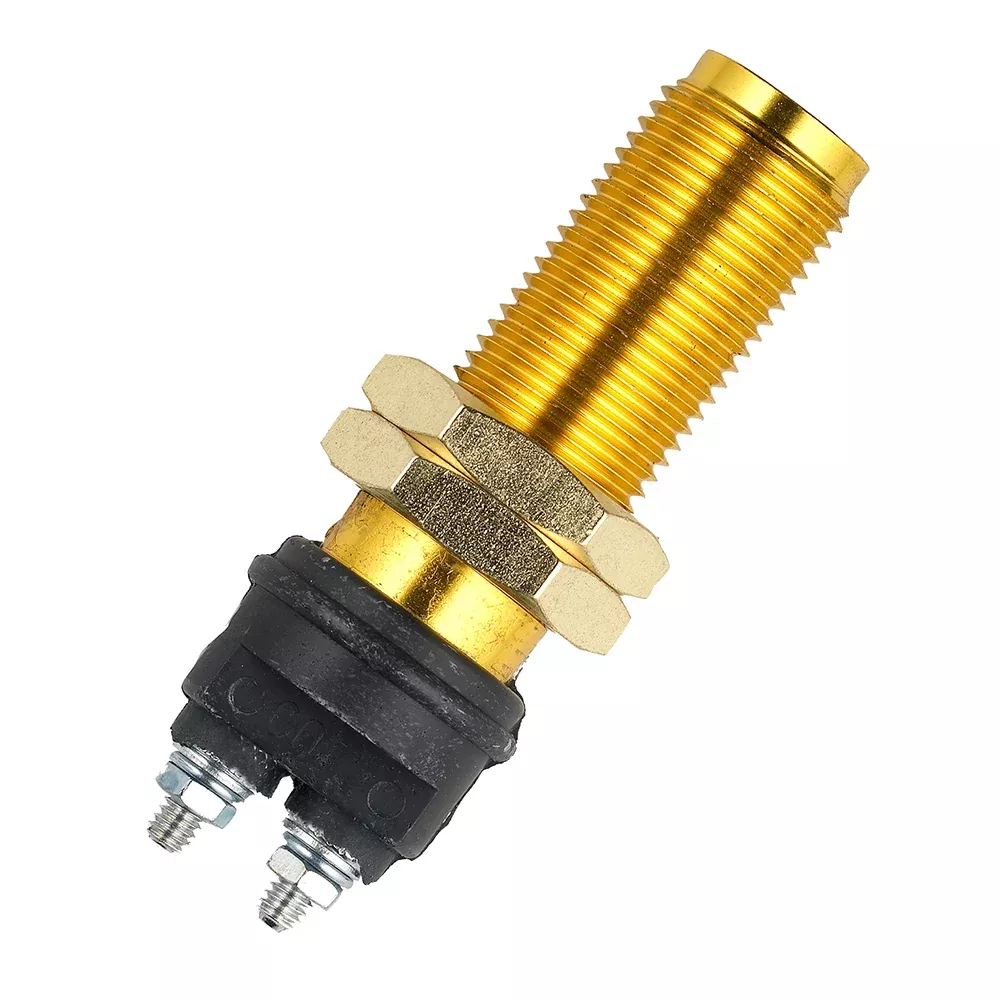
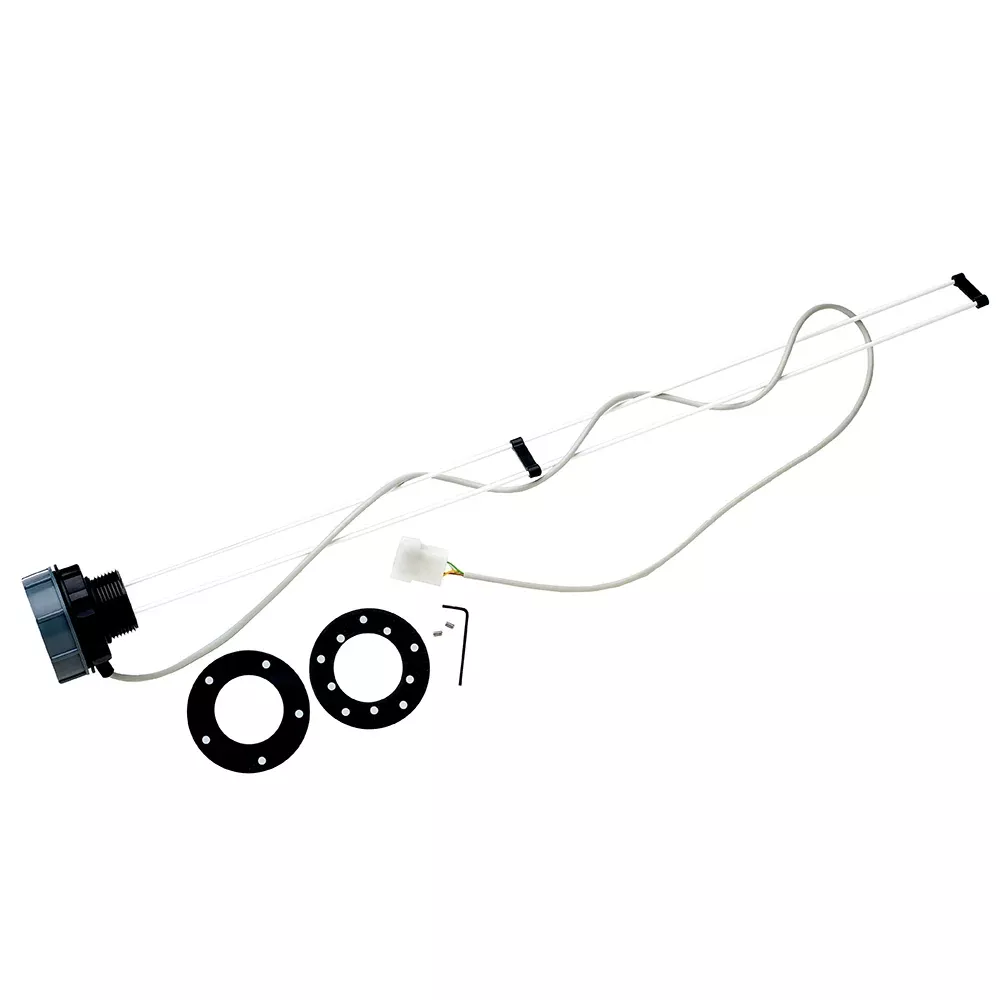
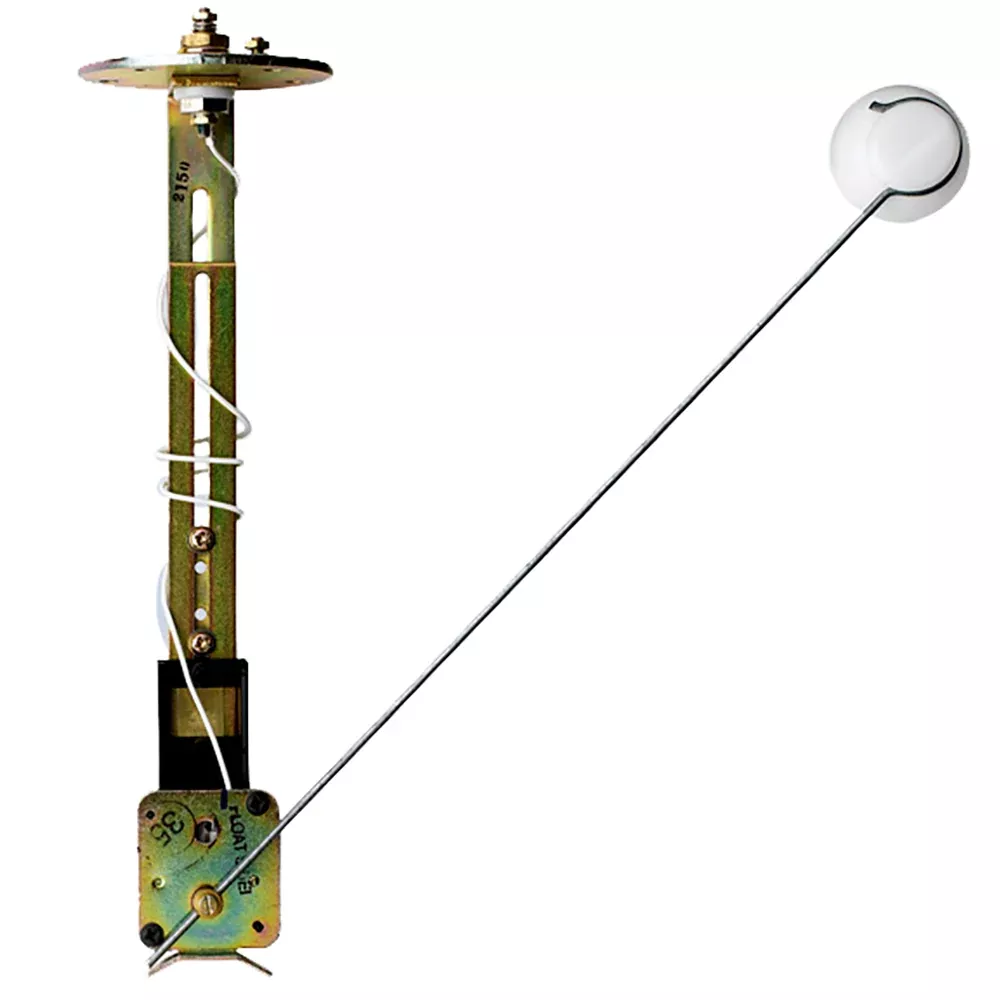
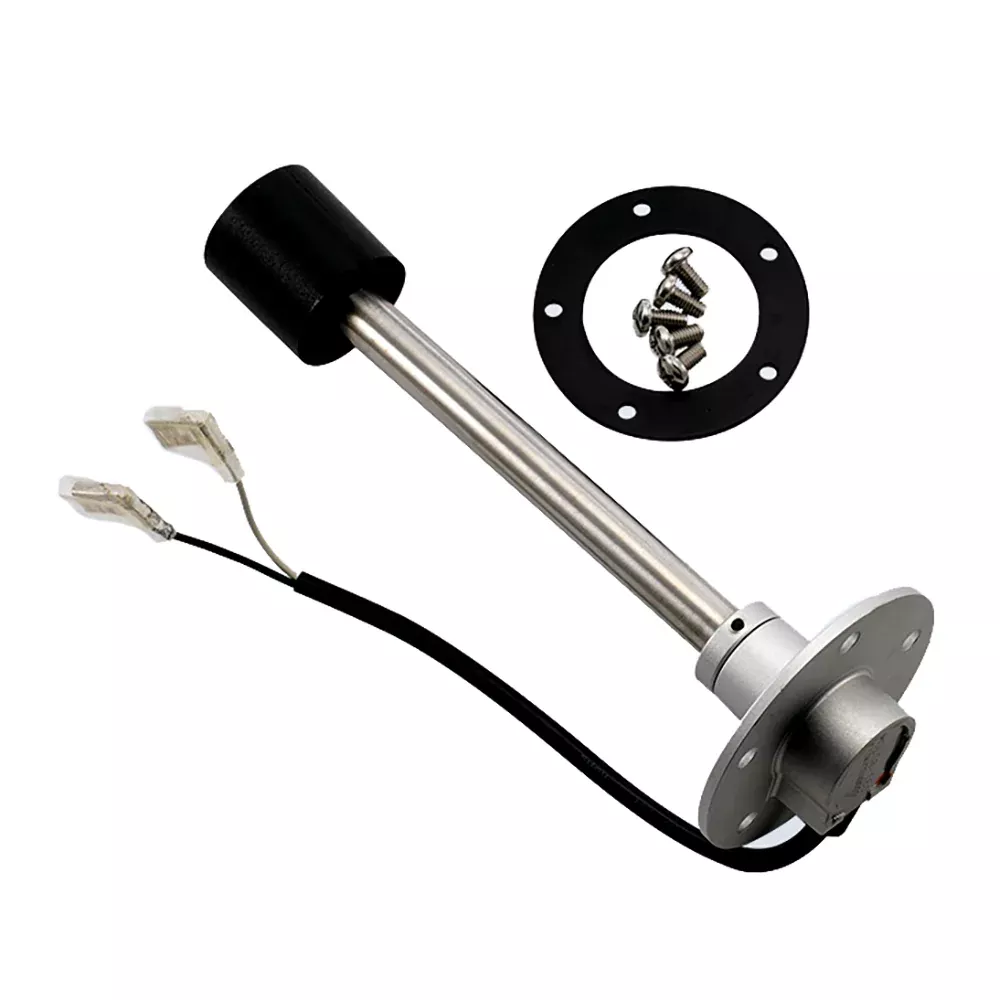
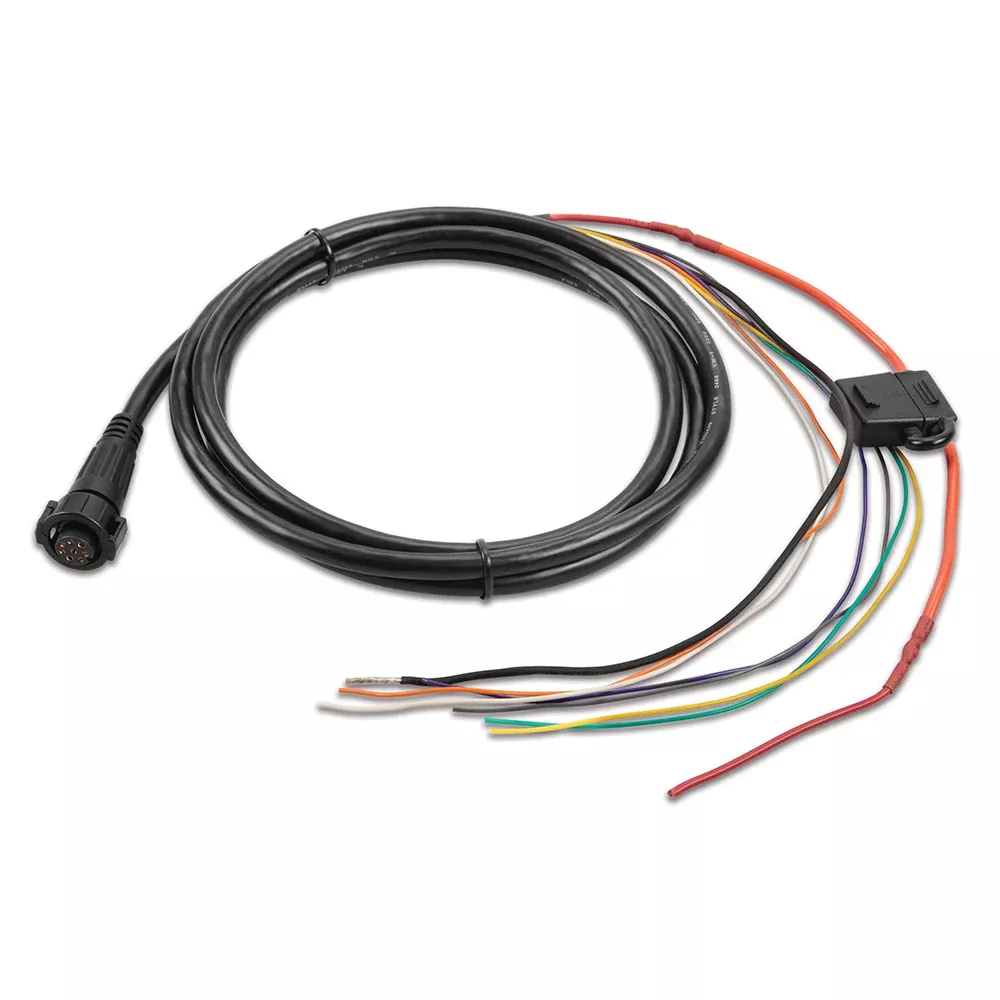
Enhance the reliability of your sailing autopilot system with the B&G autopilot connector, a precision-engineered component designed for seamless integration in demanding marine environments. Boaters who demand top performance know that even the smallest connections matter—downtime on the water isn’t an option. This connector ensures stable signal transmission between your autopilot processor, drive unit, and control head, minimizing interference and maximizing responsiveness during long passages or competitive races.
Key Benefits for Serious Sailors
Unlike generic wiring solutions, this B&G-specific connector is built to withstand saltwater corrosion, vibration from rough seas, and temperature swings from dawn patrols to midday sun. It locks in place with a secure, waterproof seal, preventing loose contacts that could lead to erratic steering or complete autopilot failure. Sailors upgrading from older systems or troubleshooting connectivity issues often find this the missing link for restoring factory-level precision.
Robust Construction: IPX7-rated waterproofing keeps connections dry even after a knockdown.
Plug-and-Play Design: Matches B&G autopilot harnesses for effortless swaps without custom crimping.
Signal Integrity: Shielded wiring reduces NMEA 2000 network noise, ensuring accurate heading data and rudder feedback.
Durability in Extremes: Handles -25°C to +70°C, ideal for offshore adventures or tropical charters.
Perfect Fit for B&G Autopilot Ecosystems
This connector shines in setups with NAC-2 or NAC-3 processors, Triton² pilots, or H5000 autopilot computers. It’s commonly used to bridge the control head to the course computer, or extend reach in custom helm layouts. If you’re running a Zeus chartplotter or expanding your NMEA network, it integrates flawlessly, supporting wind-responsive steering modes that keep you on the optimal tack without constant adjustments.
Real-world example: A coastal cruiser replacing a frayed factory connector noticed immediate improvements in autopilot holding power through choppy inlets, crediting the connector’s superior strain relief for eliminating micro-movements that previously caused drift.
Installation Insights from the Field
Getting it right the first time saves hours of head scratching. Start by powering down the entire system and disconnecting the battery to avoid shorts. Depin the old connector carefully using B&G’s release tool—twisting works but risks wire damage. Align the new pins precisely, ensuring the locking tab clicks audibly. Route the cable with slack for flexing tillers or rams, and secure with zip ties away from heat sources like engines.
Pro tip: Test continuity with a multimeter before full reassembly. Post-install, calibrate your autopilot compass and run a sea trial in calm conditions to verify tack/gybe performance. Most installs take under 30 minutes for experienced hands.
Maintenance and Troubleshooting Tips
Regular checks extend life: Annually inspect for corrosion at the seal, clean with freshwater, and apply dielectric grease sparingly. If your pilot hunts excessively, swap this connector first—it’s a common culprit before diving into processor diagnostics. Pair it with B&G’s software updates for enhanced wind vane steering algorithms that adapt to gusts.
Frequently Asked Questions
What is the B&G autopilot connector used for?
It connects key components in B&G autopilot systems, like the processor to the drive unit or control head, ensuring reliable communication and control.